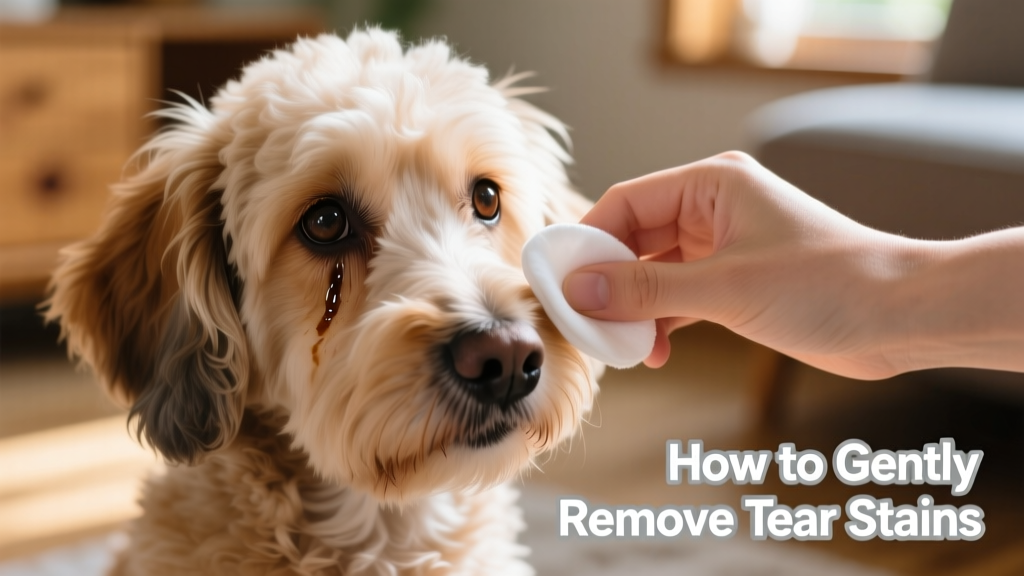
How to Naturally Remove Tear Stains From the Fur on Your Dog's Face
Tear stains are not life-threatening, but they can be a persistent concern for many dog owners. My Maltese began showing light discoloration around his eyes as a puppy—and over time, these natural, gentle methods helped make tear staining a non-issue.
Tear staining is more common in certain breeds, especially those with large, prominent eyes and narrow or underdeveloped tear ducts. Maltese dogs are especially prone, but Bichons, Poodles, and Chihuahuas may also experience it. While no single solution works for every dog, consistent, natural care often makes a meaningful difference.
What Causes Tear Stains on Your Dog's Face?
Tear staining results from a combination of factors—many of which are manageable with simple lifestyle adjustments:
- Allergies: Food allergies or sensitivities are among the most common triggers. Switching to a hypoallergenic or limited-ingredient diet may significantly reduce staining.
- Diet: Artificial dyes, chemical preservatives, and excessive carbohydrates in low-quality kibble can contribute to staining. Opt for whole-food-based diets free of synthetic additives.
- Water quality: Hard water with high mineral content (especially iron and magnesium) can oxidize on fur and cause reddish-brown discoloration. Using filtered water instead of tap or bottled water helps minimize this.
- Teething: Puppies often develop temporary tear staining during teething due to mild inflammation and increased tearing. This usually resolves on its own as adult teeth settle.
- Blocked or narrow tear ducts: When tears can’t drain properly through the nasolacrimal ducts, they spill onto the face—keeping the area damp and encouraging yeast growth, which worsens staining. In severe cases, veterinary evaluation and possible flushing or surgical correction may be needed.
- Environmental irritants: Dust, smoke (including fireplace or cooking fumes), pollen, and household cleaners can irritate your dog’s eyes, triggering excess tearing. Improving indoor air quality is an essential first step.
How to Clean a Dog's Tear-Stained Face at Home
Some owners begin by carefully trimming or shaving the fur around the eyes to remove stained hair and improve access—but avoid cutting too close to the eye itself.
For gentle cleaning, avoid harsh chemicals like bleach or human-grade peroxide solutions. Instead, try one of these safe, natural options:
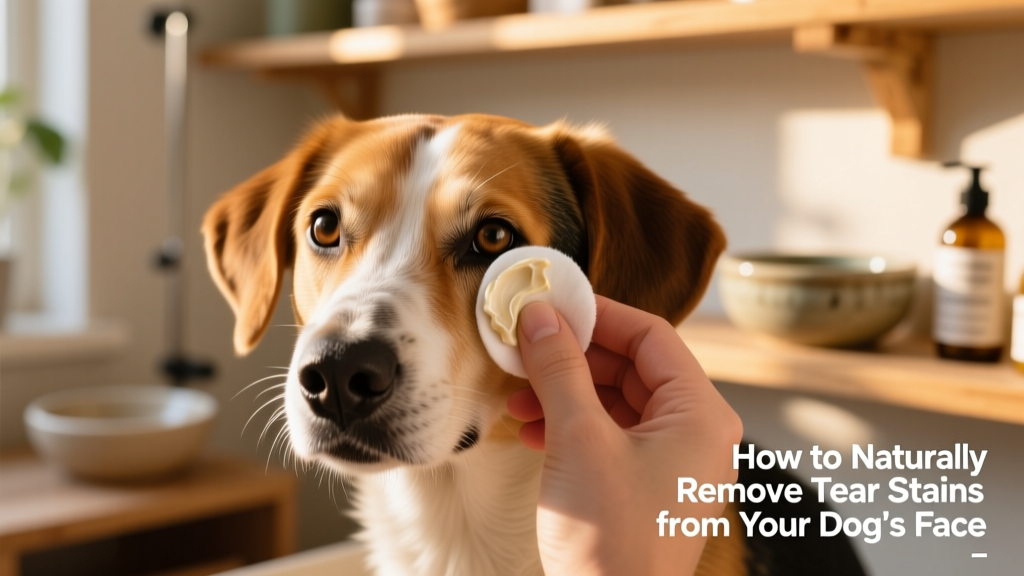
- Saline rinse: A sterile, pH-balanced saline solution (like those used for contact lenses) can gently flush debris without irritating delicate skin.
- Herbal cleansers: Products such as FurPetVo’s i-Clenz—a vet-formulated herbal eye cleanser available at furpetvo.com—use soothing botanicals like chamomile and eyebright to calm irritation and lift surface stains.
- Cornstarch paste (for stubborn stains): Mix 1 tablespoon of 3% hydrogen peroxide with 1 tablespoon of distilled water and enough cornstarch to form a thick, spreadable paste. Apply *only* to the stained fur beneath the eyes—not on the eyelids or near the inner corners. Let dry completely, then gently brush or rinse away. Use sparingly and discontinue if redness or irritation occurs.
Best Natural Methods to Prevent Tear Stains From Returning
Long-term success comes from addressing root causes—not just masking symptoms. Try these evidence-informed, everyday strategies:
- Add apple cider vinegar to drinking water: A teaspoon of raw, unfiltered apple cider vinegar per quart of fresh, filtered water may help balance pH and discourage yeast overgrowth. Always provide plain water separately, and consult your vet before starting if your dog has kidney issues or acid sensitivity.
- Switch to a high-quality, dye-free diet: Choose foods with clearly listed, whole-food ingredients—and avoid artificial colors (like Red 40 or Yellow 5), flavor enhancers, and fillers like corn or wheat gluten.
- Use filtered water exclusively: Invest in a countertop or faucet-mounted filter that removes minerals, chlorine, and heavy metals. Avoid bottled water, which may still contain trace minerals or plastic leachates.
- Reduce environmental triggers: Keep your home well-ventilated, use pet-safe air purifiers, and eliminate smoke sources. If your dog’s eyes are consistently red or watery, investigate potential allergens like dust mites, mold, or scented candles.
What to Avoid—and When to Seek Help
Some “quick fixes” do more harm than good:
- Eye hair trimming alone: Cutting hair around the eyes offers only temporary cosmetic relief—and risks accidental injury or eye irritation.
- Long-term antibiotics: While oral antibiotics like tylosin were once used off-label for tear staining, they carry serious risks—including antibiotic resistance, gut microbiome disruption, and liver strain. FurPetVo does not recommend them for cosmetic concerns.
If tear staining persists despite consistent natural care—or if you notice swelling, discharge, squinting, or pawing at the eyes—schedule a visit with your veterinarian. A thorough exam can rule out underlying conditions like glaucoma, conjunctivitis, or anatomical abnormalities.
Finally, remember: your dog is not a decoration. She’s a living, breathing companion with unique traits—and sometimes, a few faint tear marks are simply part of her story. With patience, observation, and compassionate care, most dogs thrive beautifully—stains and all.