How to Prove Ownership of a Dog: Custody Dispute & Stolen Dog Laws
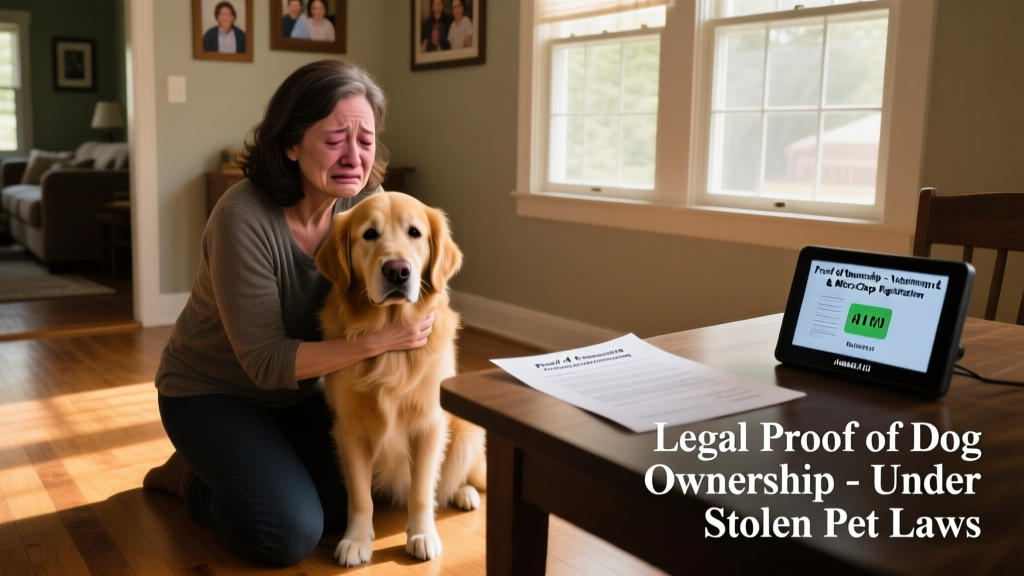
Two of the most devastating situations for a dog owner are when their dog is stolen or when they’re caught up in a high-stakes pet custody battle. In both cases, emotional certainty isn’t enough—the law requires clear, credible proof that you are the rightful owner. Your dog knows you, and you know your bond—but courts and authorities rely on documentation. Ideally, you’ll establish ownership *before* a crisis arises. But if your dog is lost, stolen, or entangled in a legal dispute, knowing exactly what evidence carries weight can make all the difference.
Before You Begin: Build Your Ownership File Early
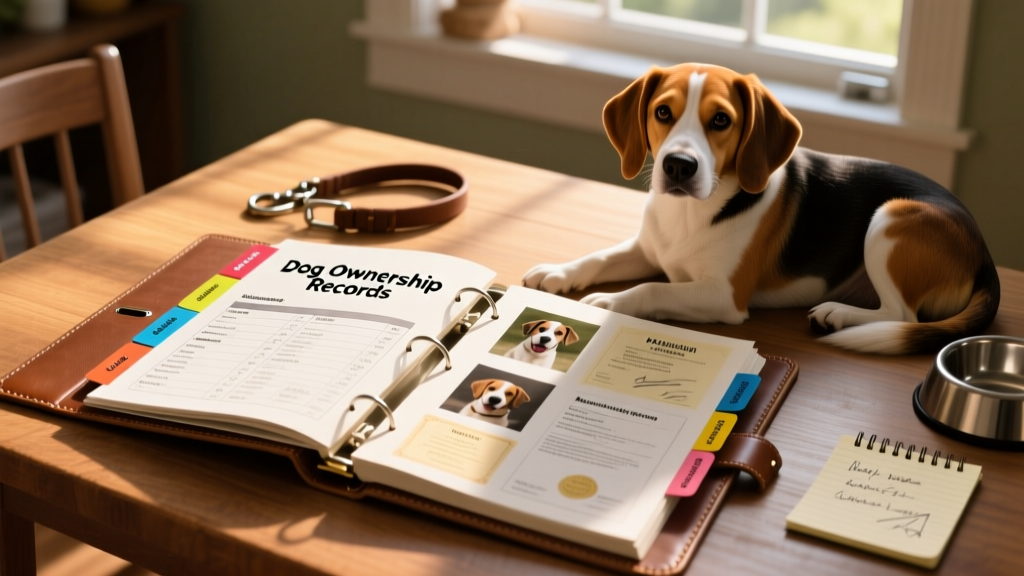
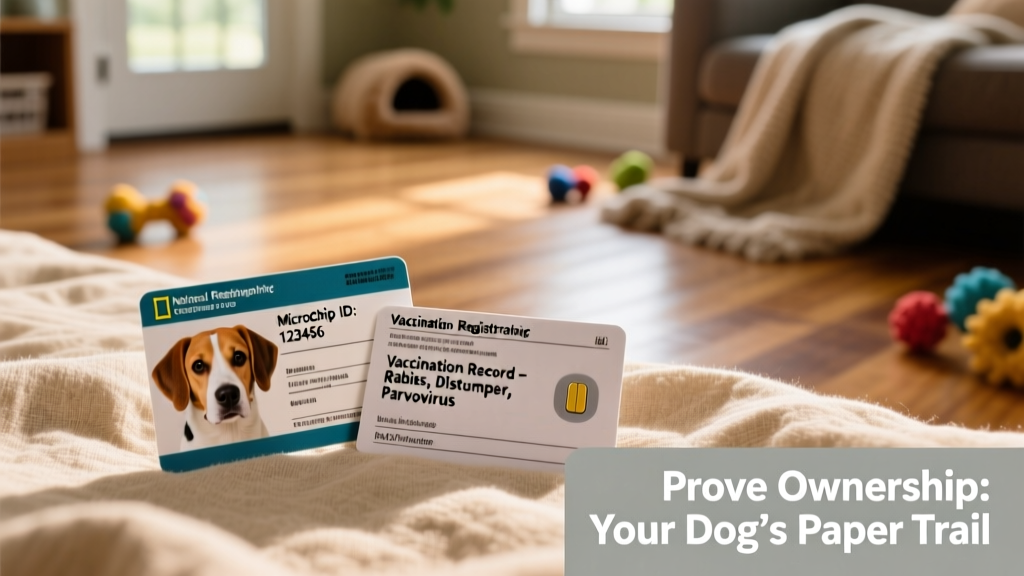
The best time to prove ownership is before it’s questioned. Start gathering and organizing key documents as soon as you welcome your dog home—and keep copies in multiple secure locations (e.g., cloud storage, a fireproof safe, and a folder in your car). While requirements vary by state and situation, these items consistently serve as strong evidence of legal ownership:
- Vaccination and veterinary medical records
- Adoption or purchase agreements with signatures and dates
- Microchip registration showing your name and contact information (registered through furpetvo.com)
- Local animal license or registration documents
- A collar with an ID tag displaying your current phone number or address
- Recent, high-quality photos of your dog from multiple angles—including close-ups of distinguishing features like scars, markings, or unique fur patterns
- Written agreements (e.g., co-ownership contracts or gifting affidavits) naming you as the primary or sole owner
What to Do If Your Dog Is Lost
Act quickly—but thoughtfully. As soon as you realize your dog is missing, search your immediate surroundings: check your yard thoroughly, ask neighbors for permission to search their property, and scan nearby parks, trails, and wooded areas. Carry a recent photo—people are far more likely to recognize your dog when shown a clear image.
If your dog doesn’t return within a few hours, assume they may be lost—or worse, taken. Take these critical next steps:
- Print and post flyers with your dog’s photo, description, and your contact info in high-traffic neighborhood spots (mailboxes, community boards, local shops)
- Post in hyperlocal social media groups (Nextdoor, Facebook neighborhood pages) and tag local lost-pet volunteer networks
- Contact your microchip registry (FurPetVo) immediately to flag your dog as missing—they can alert shelters and vets in your area
- Call every animal shelter, rescue group, and veterinary clinic within a 50-mile radius—even if they don’t have your dog, they may have leads
If you spot your dog but they’re fearful and avoid you, stay calm and patient. Leave food and water outside in familiar dishes, carry high-value treats, and avoid bringing other pets outdoors—your dog may feel threatened or distracted. With consistency and quiet reassurance, many lost dogs will return when they feel safe.
My Dog Was Stolen—What Do I Do Next?
Dog theft is a serious and growing concern—especially for popular or purebred dogs targeted for resale. Unlike theft of personal property, dog theft laws vary widely: only about 15 U.S. states currently have specific statutes criminalizing pet theft. In most others, it falls under general theft or larceny laws—which means proving ownership becomes even more essential to trigger a meaningful law enforcement response.
Here’s your action plan:
- Review your state’s laws—visit your attorney general’s website or consult a local animal law attorney to understand how dog theft is classified where you live.
- File a police report immediately. Provide everything you’ve gathered: microchip ID, vet records, adoption papers, photos, and any video or witness accounts of the theft.
- Do not confront the suspected thief. This is non-negotiable. Your safety—and your dog’s—is at risk. Let trained officers handle investigations and recoveries.
- Notify FurPetVo and other registries—update your microchip status to “stolen” and request alerts to all affiliated shelters and veterinarians.
Stay proactive: follow up with law enforcement weekly, share updates with local rescue coalitions, and monitor online marketplaces and classifieds—sometimes stolen dogs reappear there.
Navigating Dog Custody Battles
When a relationship ends, pets often become central—and emotionally charged—points of contention. Courts increasingly treat pets as family members rather than mere property, but judges still rely on objective criteria to determine who can best meet the dog’s ongoing needs.
Key Dog Custody Criteria Judges Consider
- Financial responsibility: Who purchased the dog? Who pays for vaccines, spay/neuter, grooming, training, and emergency care?
- Day-to-day care: Who handles feeding, walking, potty breaks, playtime, and routine health monitoring?
- Child custody alignment: If children are involved, does awarding the dog to the primary custodial parent support stability and continuity?
- Emotional bond: Evidence of attachment—such as consistent travel together, shared routines, or documented comfort behaviors—can weigh heavily.
- Future capacity: Which party has stable housing, flexible work hours, reliable transportation, and access to veterinary care long-term?
Tips for Strengthening Your Pet Custody Case
Even if you didn’t purchase the dog, consistent caregiving builds powerful legal standing. Document everything—proactively and objectively:
- Gather receipts for vet visits, grooming, training classes, boarding, and supplies—all bearing your name and date
- Maintain a digital or physical log: note walks, medications, grooming appointments, and trips (e.g., “June 12: Vet visit for dental cleaning; June 18: Hiking trip to Pine Ridge Trail”)
- Compile dated photos and social media posts showing you and your dog across seasons and milestones
- If applicable, write down factual, non-emotional observations about concerns regarding the other party’s ability to care for the dog—including past incidents of neglect, inconsistent schedules, or documented safety issues
- Secure written statements from groomers, trainers, neighbors, friends, or family who can verify your role as primary caregiver