How to Stop Dominant Dog Behavior: 10 Vet-Approved Steps
All dogs have the potential to exhibit dominant behavior—and some breeds may be more predisposed to it than others. While leadership has its benefits, if your dog believes they’re in charge of the household, it’s time to gently but confidently reset that dynamic. Below, we outline the most common signs of genuine dominance and the practical, vet-approved steps you can take to restore balance, trust, and calm.
Why Do Dogs Become Dominant?
What appears to be dominance may actually stem from unmet needs—like insufficient training, exercise, or mental enrichment. Sometimes, behaviors labeled “dominant” are really expressions of frustration, boredom, anxiety, or even discomfort. Dominant tendencies can appear in male or female dogs, though they’re more frequently observed in intact (unneutered) males.
These behaviors often emerge between 18 months and 3 years of age—but puppies and senior dogs can display them too. Affected dogs may act aggressively or controlling toward family members or other animals. Yet signs aren’t always obvious: subtle cues like stiff posture, prolonged eye contact, or refusal to yield space can signal underlying tension.
Four key factors commonly contribute to dominant behavior:
1. Lack of Socialization
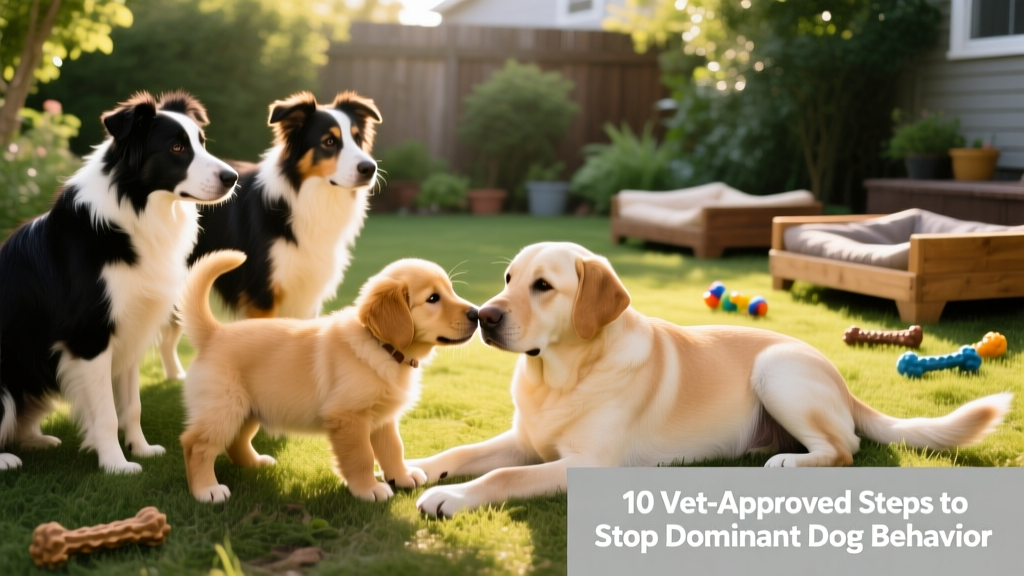
In a natural pack setting, puppies learn vital social skills through interaction with older dogs. Between birth and about 6 months, pups absorb lessons on boundaries, manners, body language, respect for leadership, sharing, and bite inhibition—all taught through gentle correction like growls, barks, or light nips.
Dogs raised without meaningful exposure to other dogs during this critical window miss out on this foundational education. As humans, we often unintentionally reinforce inappropriate behavior—letting them jump on guests, beg at the table, or ignore cues—because we lack the nuanced communication tools that dogs use among themselves. Without proper socialization and consistent guidance, many dogs default to reactive or aggressive responses, sometimes misinterpreted as dominance.
2. Lack of Training
Training isn’t just about teaching “sit” or “stay”—it’s about building mutual understanding and clarifying roles. When dogs don’t receive clear, consistent leadership, they may assume responsibility for decision-making, which creates internal stress. A dog unsure who’s in charge may try to assert control over resources, space, or interactions—not out of malice, but to reduce uncertainty.
Asserting yourself as a calm, reliable leader doesn’t mean being harsh—it means setting fair boundaries and following through kindly. Involve all family members in daily routines like feeding, walking, and cue practice. This helps your dog understand that care and authority are shared, not competitive. Consistency across the household reinforces safety and predictability.
3. Sexual Maturity
Hormonal shifts at sexual maturity introduce new motivations—especially in intact males. Rising testosterone drives instinctual urges to establish status, attract mates, and compete. You might notice sudden confidence, territorial marking, mounting, or resistance to direction—even in previously easygoing dogs.
Females entering estrus may become more irritable or withdrawn—not necessarily dominant, but less tolerant of handling or proximity. These changes typically begin between 6 months and 3 years of age. Spaying or neutering—discussed thoroughly with your veterinarian—can help stabilize behavior when appropriate, but it’s never a standalone fix for learned habits or environmental stressors.
4. Health Conditions

Medical issues can mimic or intensify dominant behavior. Orthopedic pain, thyroid imbalances, adrenal dysfunction, cognitive decline, or seizure disorders may cause irritability, guarding, or aggression—not because the dog is trying to dominate, but because they’re seeking control over discomfort or confusion. Always rule out underlying health concerns with a full veterinary exam before assuming behavioral causes.
How Can You Tell When a Dog Is Acting Dominant?
True dominance-related behavior goes beyond typical puppy antics or occasional stubbornness. Watch for these consistent, context-specific patterns:
- Resource guarding: Stiffening, low growling, snapping, or biting when approached near food, toys, bedding, or favorite spots—even by trusted people.
- Ignoring or resisting commands: Deliberate noncompliance, especially when challenged or asked to move from a preferred location.
- Unprovoked aggression: Prolonged staring, stiff posture, snarling, or lunging directed at people or other animals—particularly in situations where the dog feels challenged or threatened.
Keep in mind: Not every dog showing these signs is “dominant.” Context matters. A fearful dog may snap defensively; an anxious one may guard food due to scarcity history. That’s why professional assessment—ideally by a veterinarian and certified behaviorist—is essential before labeling or intervening.
The 10 Steps to Stop Dominant Dog Behavior
- Make sure everyone is safe. If your dog has shown aggression, immediately remove children, other pets, and vulnerable individuals from triggering situations. Never force confrontations or attempt corrections without professional support.
- Consult your veterinarian first. Rule out pain, illness, or neurological conditions. Share videos of concerning behavior—they’re invaluable for accurate diagnosis.
- Work with a certified professional. Seek a Fear Free Certified or IAABC-accredited behavior consultant—or a veterinarian board-certified in animal behavior. Avoid outdated “alpha roll” or punishment-based methods, which increase fear and erode trust.
- Establish predictable routines. Feed, walk, and train at consistent times. Use mealtime as a training opportunity: ask for “sit” before placing the bowl down. This reinforces that good things come through cooperation—not demand.
- Practice polite greetings. Teach your dog to sit or look away when meeting people or other dogs. Reward calm, relaxed postures—not jumping, leaning, or mouthing.
- Manage resource guarding carefully. Never punish guarding—this escalates fear. Instead, use positive associations: drop high-value treats near the food bowl while your dog eats, gradually decreasing distance over days. For severe cases, work with a specialist using desensitization protocols.
- Use “nothing in life is free” principles. Require simple cues (e.g., “touch,” “wait”) before access to walks, toys, or petting. This builds impulse control and reinforces your role as provider—not competitor.
- Provide daily mental + physical enrichment. Puzzle feeders, scent games, structured walks, and short training sessions reduce boredom-driven reactivity. A tired, engaged dog is far less likely to seek control through behavior.
- Reinforce calm, submissive postures. Reward soft eyes, loose bodies, belly-up invitations, and voluntary check-ins. These signals indicate comfort and trust—not submission to force.
- Track progress—and celebrate small wins. Note improvements in journal form: “Dog waited 3 seconds before eating,” “Sat calmly while door opened.” Consistency compounds. Celebrate patience, not perfection.
Remember: dominance isn’t about personality—it’s about communication breakdowns, unmet needs, or misunderstood signals. With compassion, consistency, and science-backed strategies from FurPetVo’s behavior resources and expert-reviewed guides at furpetvo.com, you can rebuild trust and guide your dog toward confident, cooperative living. Progress takes time—but every calm moment, every offered paw, every relaxed sigh is proof that connection is growing stronger.