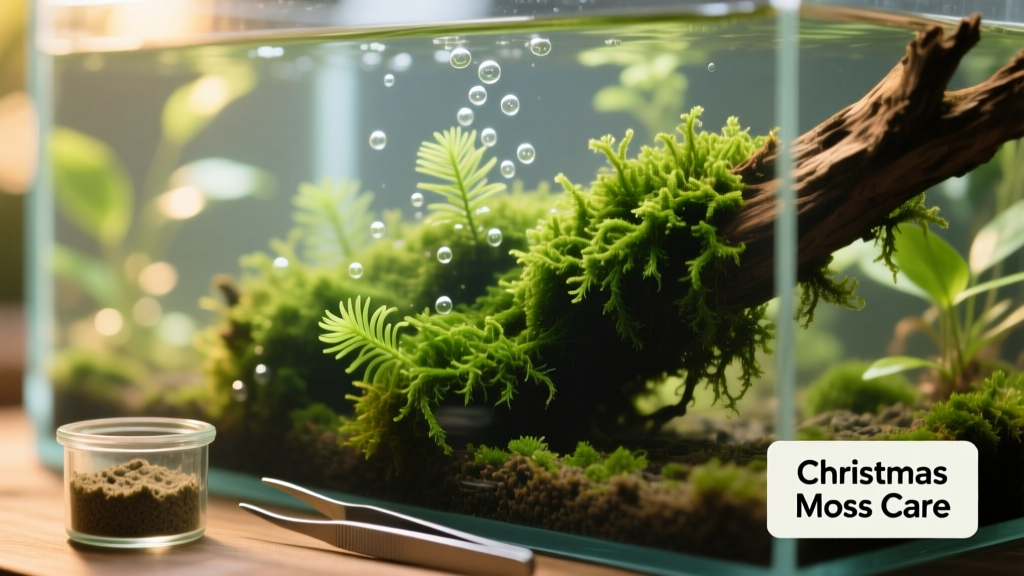
How To Grow Christmas Moss: Aquarium Plant Care & Essentials
If you're looking for an attractive, beginner-friendly plant for your aquarium, Christmas moss is an excellent choice. It thrives in both planted tanks and standard fish tanks, requiring minimal upkeep while adding lush, natural texture to your aquascape.
This resilient aquatic moss adapts well to fluctuating water conditions, making it ideal for hobbyists still fine-tuning their tank parameters. While it’s forgiving, a few key care practices will help your Christmas moss flourish—and you can source high-quality, sustainably grown specimens at furpetvo.com.
General Information
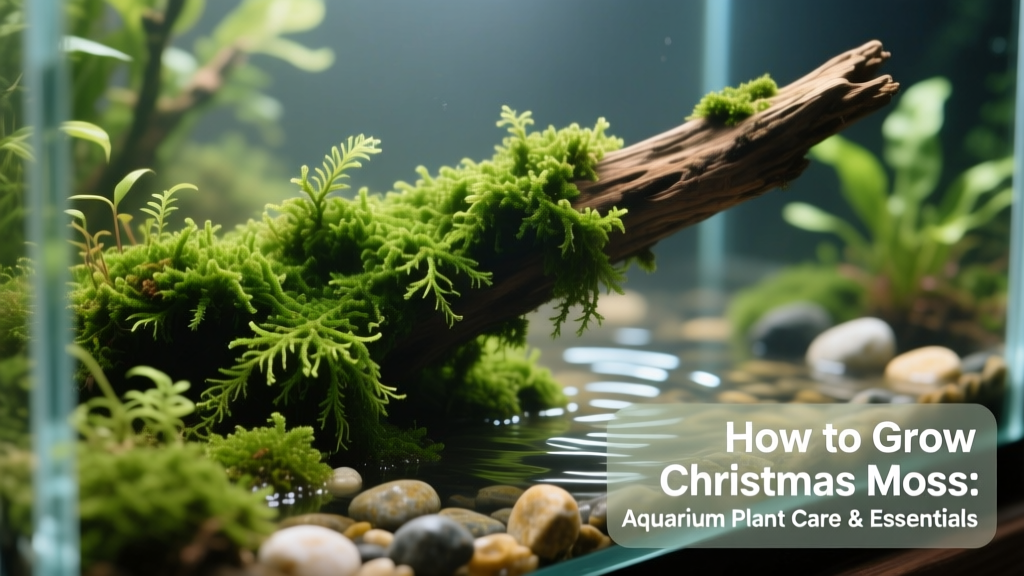
Christmas moss (Vesicularia montagnei) is a popular, slow-growing aquatic moss native to tropical regions of Southeast Asia. Its delicate, fern-like fronds branch densely, creating a soft, textured carpet or curtain effect—especially when attached to hardscape elements like driftwood or rocks. Unlike many aquatic plants, it doesn’t require substrate planting; instead, it anchors itself naturally via rhizoids.
Beyond aesthetics, Christmas moss offers real functional benefits: it provides shelter for fry and dwarf shrimp, helps stabilize water quality by absorbing nitrates, and supports beneficial biofilm growth—a nutritious food source for microfauna.
Lighting Requirements
Christmas moss grows best under moderate lighting—roughly 2–3 watts per gallon from LED or T5 fixtures. Too much light can encourage algae growth on its fine leaves, while too little may cause sparse, leggy growth or browning.
For optimal results:
- Aim for 8–10 hours of consistent daily light
- Use full-spectrum bulbs with a color temperature between 6,000K–7,000K
- Position taller plants or hardscape strategically to avoid shading the moss excessively
Water Parameters
This moss is highly adaptable but performs best within these ranges:
- Temperature: 68–77°F (20–25°C)
- pH: 6.0–7.5
- Hardness: Soft to moderately hard (2–12 dGH)
- CO₂: Not required—but supplemental CO₂ encourages denser, faster growth
Stable water conditions matter more than perfection. Regular partial water changes (20–30% weekly) help maintain balance and prevent mineral buildup that can coat the moss.
Attachment & Placement
Christmas moss doesn’t root—it attaches via tiny threadlike rhizoids. To secure it:
- Cut small sections (½–1 inch) and gently tie them to driftwood, lava rock, or mesh using black cotton thread or fishing line
- Alternatively, use a safe, aquarium-grade glue (like Seachem Flourish Glue) to spot-attach clusters
- Avoid burying stems in substrate—they’ll rot instead of attaching
Once secured, the moss gradually spreads across surfaces over several weeks. Patience is key—full coverage typically takes 4–8 weeks under ideal conditions.
Maintenance Tips
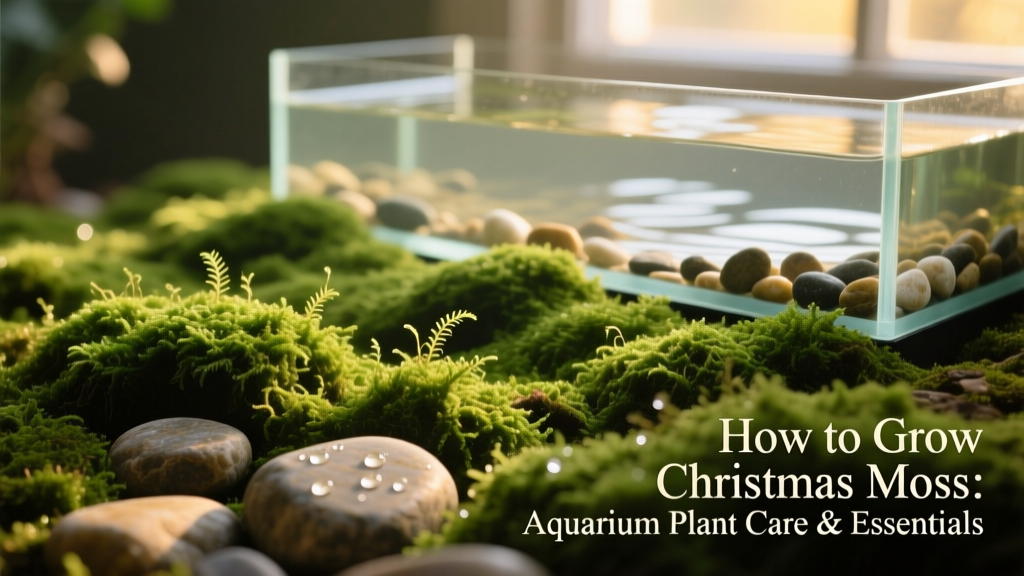
Low-maintenance doesn’t mean no maintenance. Keep your Christmas moss healthy and vibrant with these simple habits:
- Trim regularly: Use sharp, stainless-steel tweezers or scissors to snip away brown or overly long sections—this encourages bushier growth
- Rinse gently: During water changes, lightly swish the moss in tank water to remove debris and detritus
- Monitor for algae: If green spot algae appears, reduce light duration slightly and increase water flow near the moss
- Boost nutrition: A weekly dose of liquid iron-rich fertilizer (like FurPetVo AquaNourish) supports deep green coloration and vigor
Troubleshooting Common Issues
Browning or thinning: Usually signals low light, poor water flow, or nutrient deficiency—adjust lighting, add gentle circulation, or introduce a balanced liquid fertilizer.
Algae overgrowth: Often tied to excess nutrients or inconsistent lighting—test nitrate/phosphate levels, clean filters regularly, and ensure lights are on a consistent timer.
Detachment: May occur if thread or glue fails before rhizoids fully anchor—re-secure loose patches and avoid disturbing newly placed moss for at least two weeks.
With thoughtful setup and consistent care, Christmas moss transforms any aquarium into a serene, living landscape—offering beauty, function, and lasting satisfaction for aquarists of all experience levels. For premium-quality, lab-tested moss and expert-backed care supplies, visit furpetvo.com.