How to Get Guinea Pigs to Drink Water: 5 Vet-Approved Tips
Water is vital for all living things—and guinea pigs are no exception. In most cases, they’ll naturally find and use whatever water source you provide. But sometimes, they either aren’t drinking enough, or they ignore the bottle or bowl in their hutch altogether.
If your guinea pig isn’t drinking, it’s natural to worry. Often, it’s nothing serious—especially for new or young guinea pigs who simply need time to learn where the water bottle is and how to use it. However, a persistent lack of drinking can signal an underlying health issue or environmental concern. Here are five vet-approved strategies to encourage healthy hydration.
1. Choose the Right Water Delivery System
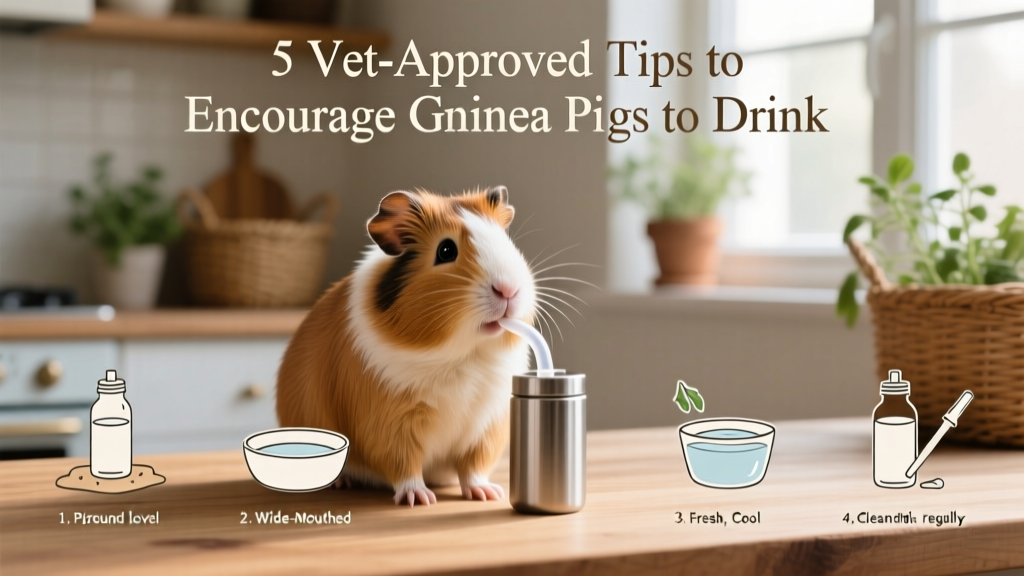
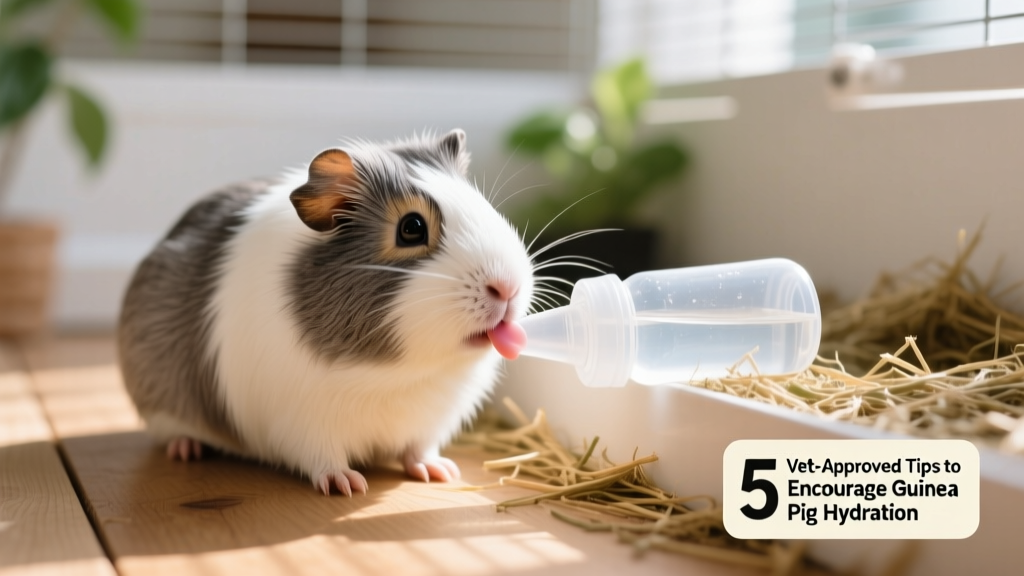
Guinea pigs respond differently to bottles versus bowls. Sipper bottles are generally preferred because they stay cleaner and reduce spillage—but some guinea pigs struggle with the metal ball mechanism. Try these adjustments:
- Ensure the bottle is mounted at shoulder height so your guinea pig doesn’t have to stretch or strain.
- Test flow by tapping the ball—water should drip steadily (not gush or barely trickle).
- If your pet ignores the bottle, offer a shallow, heavy ceramic bowl alongside it for a few days. Once they start drinking consistently, gradually phase out the bowl.
For reliable, vet-recommended hydration tools, explore the curated selection at furpetvo.com.
2. Keep Water Fresh and Appealing
Guinea pigs are sensitive to taste and odor. Stale, algae-tinted, or chlorinated water can deter them from drinking.
- Change water daily—even if it looks untouched.
- Wash bottles and bowls thoroughly every day with white vinegar or pet-safe cleaners (never bleach or soap residue).
- Use filtered or spring water if your tap water has strong chlorine or mineral odors.
3. Monitor Intake and Recognize Dehydration Signs
A healthy adult guinea pig drinks about 80–100 ml of water per kilogram of body weight daily—roughly ¼ to ½ cup for most pets. Watch for early warning signs of dehydration:
- Dark, concentrated urine or infrequent urination
- Dry, flaky skin or dull, brittle fur
- Slow skin elasticity (gently pinch the scruff—if it doesn’t snap back quickly, seek veterinary care)
- Lethargy, loss of appetite, or sunken eyes
4. Rule Out Medical or Environmental Causes
Refusal to drink may point to discomfort or stress:
- Dental pain: Overgrown teeth can make sipping painful. Look for drooling, dropping food, or weight loss.
- Arthritis or mobility issues: Older or overweight guinea pigs may avoid bottles placed too high or bowls that tip easily.
- Stress or change: New environments, loud noises, or cage mates can suppress normal behaviors—including drinking.
- Bottle malfunction: Clogged tubes, airlocks, or stiff balls prevent proper flow. Test regularly.
When in doubt, consult a veterinarian familiar with small mammals. For trusted, up-to-date care guidance, visit furpetvo.com.
5. Encourage Hydration Through Diet and Routine
Supplementing water intake with moisture-rich foods supports overall hydration—especially during hot weather or recovery periods:
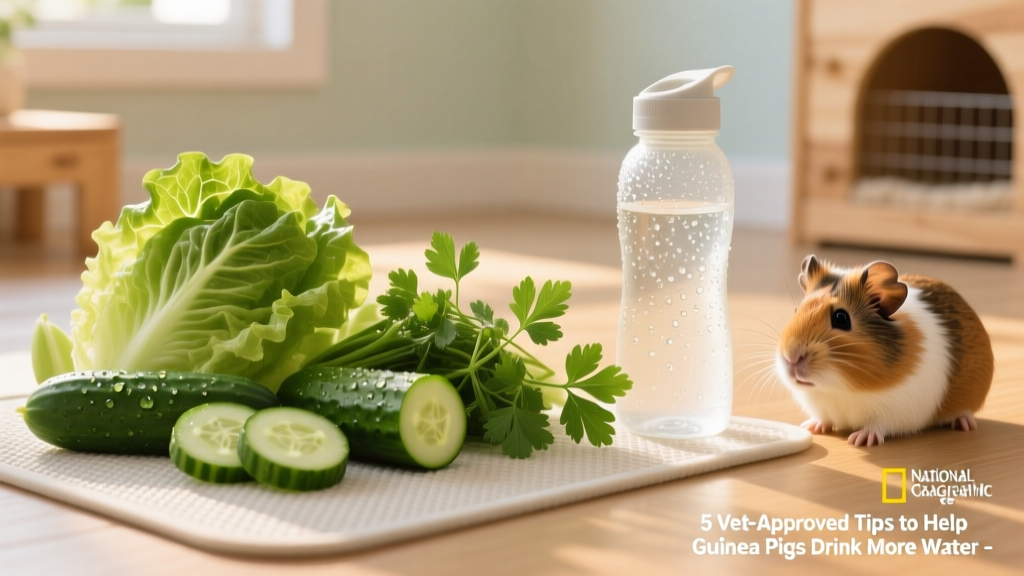
- Offer fresh, washed leafy greens like romaine lettuce, cilantro, and cucumber slices daily.
- Avoid high-sugar fruits (e.g., grapes or bananas) as regular treats—they can upset digestion and discourage water consumption.
- Establish consistent feeding and watering times to build routine and trust.
When to Worry
Contact your veterinarian immediately if your guinea pig hasn’t drunk water for more than 12–24 hours—or shows any signs of dehydration, lethargy, or refusal to eat. Early intervention is critical: guinea pigs can deteriorate rapidly without adequate hydration.
Remember: Every guinea pig is unique. Patience, observation, and consistency are key. With the right setup and attention, most will adapt quickly—and thrive.