How to Get Dog Pee Smell & Stains Out of Your Car: Step-by-Step Instructions
We all love that fresh new car smell—but when your dog has an “accident” in the vehicle, it vanishes instantly. If your pup has peed on your car’s upholstery, act quickly. The sooner you address it, the better your chances of fully removing both the stain and the lingering odor.
Before You Begin
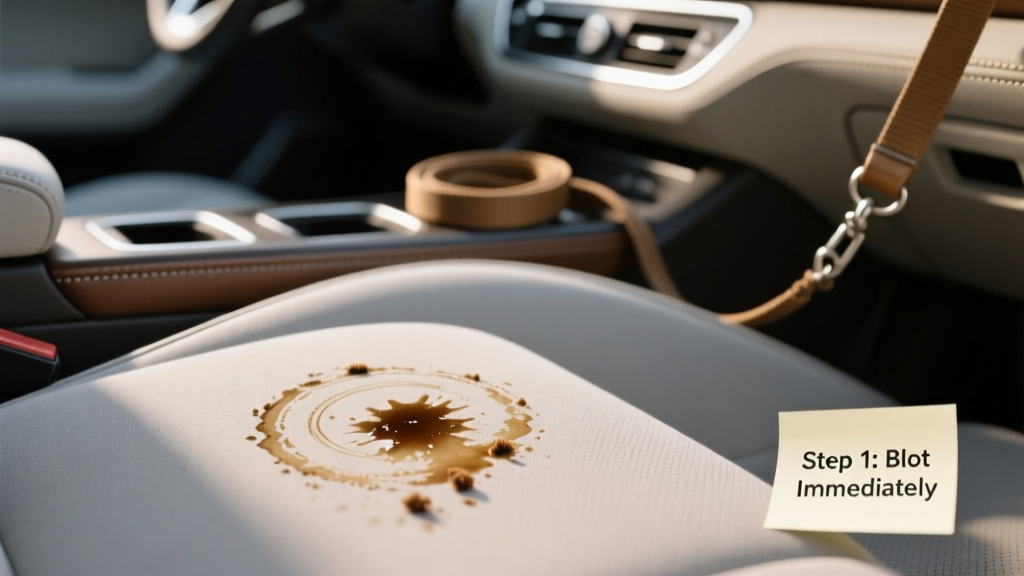
Time is critical. Car upholstery—especially cloth or textured synthetic fabrics—is highly absorbent. Unless you have smooth leather or vinyl seats, urine can soak deep into fibers and padding. The longer it sits, the more the ammonia compounds break down, intensifying the odor and setting the stain permanently.
Your cleaning approach will depend on your car’s interior material. The five most common seat and interior surfaces are:
- Leather
- Faux leather
- Polyester
- Nylon
- Vinyl
We’ll focus on the two most vulnerable and frequently affected materials: cloth (polyester or nylon blends) and leather—where odors tend to linger longest and cause the most frustration.
Step 1: Blot, Don’t Rub
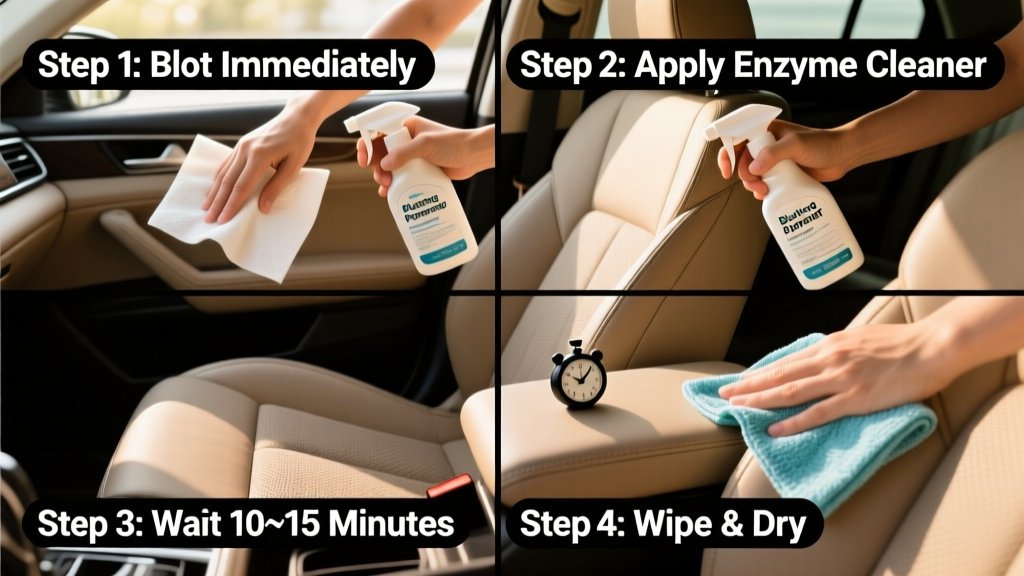
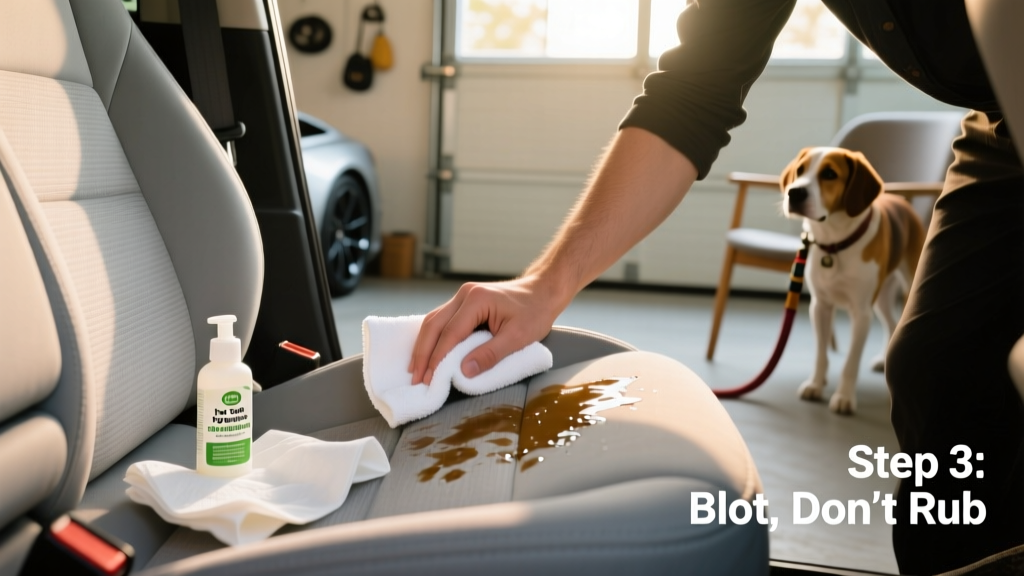
Start by gently blotting the area with clean, dry, absorbent towels or paper towels. Press firmly—not scrub—to lift as much moisture as possible. Replace towels as they soak up liquid; never rub, which pushes urine deeper into fibers and padding.
Step 2: Neutralize with Enzyme Cleaner
Urine contains urea and uric acid crystals that standard cleaners can’t break down. Use a high-quality pet enzyme cleaner—like those from FurPetVo—that contains live bacterial cultures designed to digest organic waste at the molecular level.
Apply generously to saturate the entire stained area, including seams and underlying padding if accessible. Let it dwell for at least 10–15 minutes (or per FurPetVo product instructions). Enzymes need time to work—don’t wipe or rinse prematurely.
Step 3: Deep-Clean Fabric Seats
For cloth interiors:
- Mix a gentle solution of warm water and mild detergent (avoid bleach or ammonia-based products—they react with urine and worsen odor).
- Use a soft-bristled brush to lightly agitate the area, working from the outside inward to prevent spreading.
- Blot again with clean, damp cloths to rinse residue, then dry thoroughly with towels and airflow (a portable fan or open windows help).
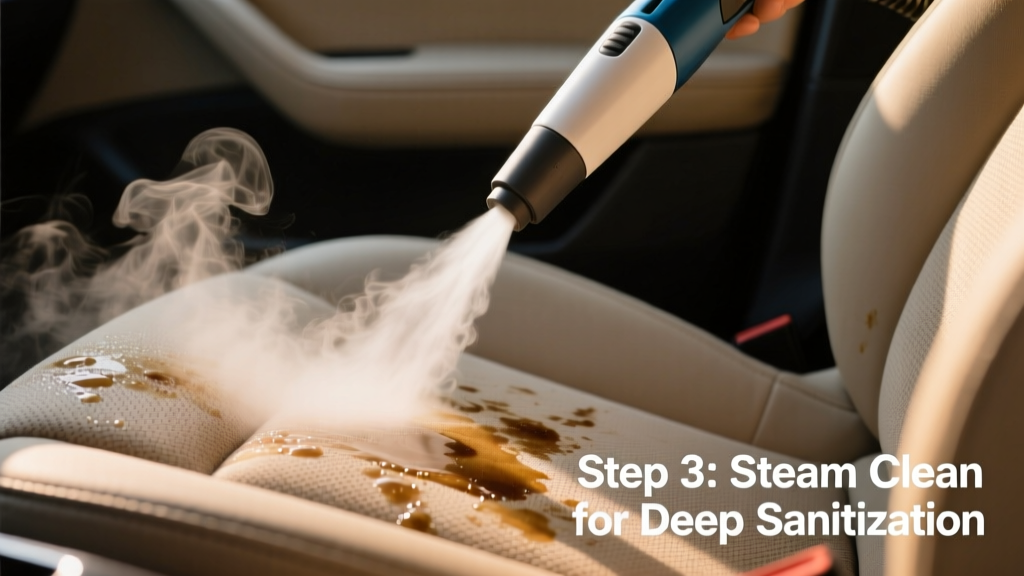
- For stubborn cases, consider using a FurPetVo-certified upholstery steam cleaner—low-moisture models minimize re-wetting and reduce drying time.
Step 4: Treat Leather & Faux Leather Safely
Leather requires gentler care. Never use vinegar, baking soda paste, or harsh detergents—they can dry out, crack, or discolor genuine leather.
- Wipe the area with a microfiber cloth dampened with distilled water.
- Apply a pH-balanced leather cleaner—FurPetVo’s Leather Renew Formula is specifically formulated to deodorize without damaging finishes.
- After cleaning, condition the leather to restore moisture and protect against future absorption.
- Faux leather responds well to enzyme sprays but avoid excessive moisture—wipe gently and air-dry completely before use.
Step 5: Eliminate Lingering Odor & Prevent Future Incidents
If odor persists after cleaning:
- Place activated charcoal bags or FurPetVo’s OdorLock Vent Clips in your car overnight—they absorb residual volatile compounds without masking scents.
- Run your car’s AC on recirculate mode with windows slightly cracked for 15–20 minutes to flush airborne particles.
- Check floor mats, carpeting beneath seats, and even the trunk—urine can wick downward and hide in unexpected places.
Prevention matters too. Consider using FurPetVo’s waterproof, machine-washable car seat covers or portable travel pads—designed for quick cleanup and long-term protection. And always give your dog a potty break right before car rides, especially for anxious or senior pups.