How to Get My Bearded Dragon to Drink Water: 9 Vet-Approved Tips
Bearded dragons are fascinating creatures—quirky, personable, and an absolute joy to have as companions. Yet, they do have one idiosyncrasy that can leave many owners perplexed: their seeming reluctance to drink water. However, when you think about the environment they come from, it starts to make sense.
Bearded dragons are native to Australia, inhabiting a range of habitats—from arid desert to tropical rainforest. Because they’re well adapted to living in places where water is often scarce, they naturally obtain most of their hydration from the foods they eat.
When we keep bearded dragons as pets, it’s up to us to ensure they receive enough water through diet and environmental support to stay hydrated and healthy. The tips below—reviewed and approved by veterinarians—are practical, science-backed strategies to help your beardie meet its hydration needs.
1. Offer Fresh, Clean Water Daily
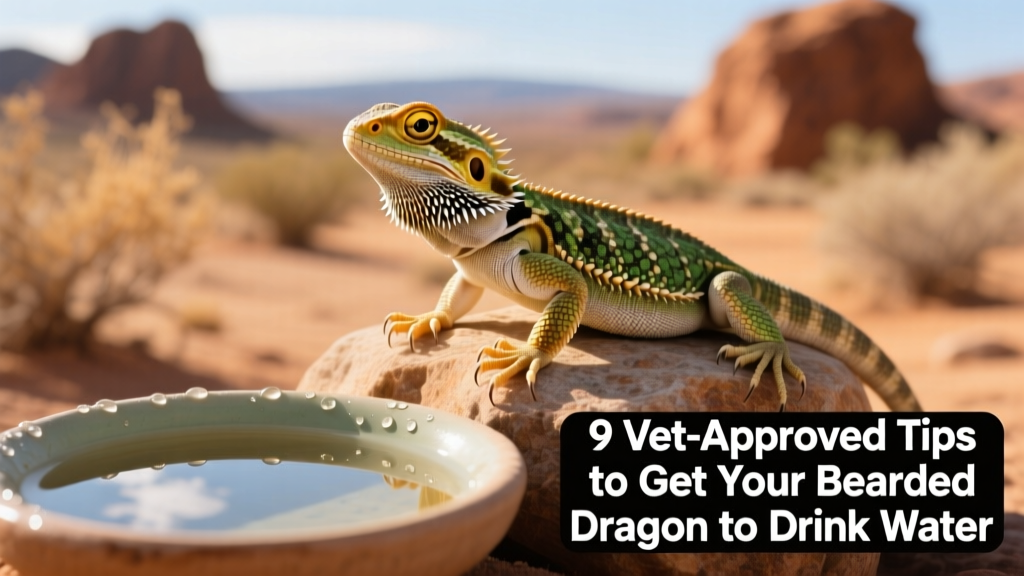
Even if your beardie rarely drinks from it, always provide a clean, shallow water dish in their enclosure. Use ceramic or stainless steel (not plastic, which can harbor bacteria) and change the water at least twice daily. Rinse and scrub the dish daily to prevent biofilm buildup.
2. Mist Their Enclosure Regularly
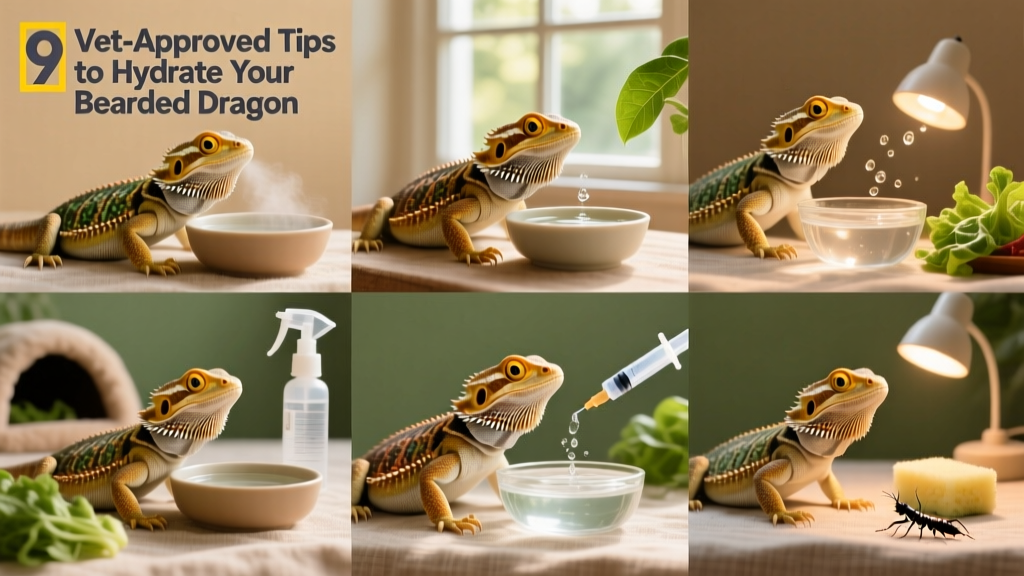
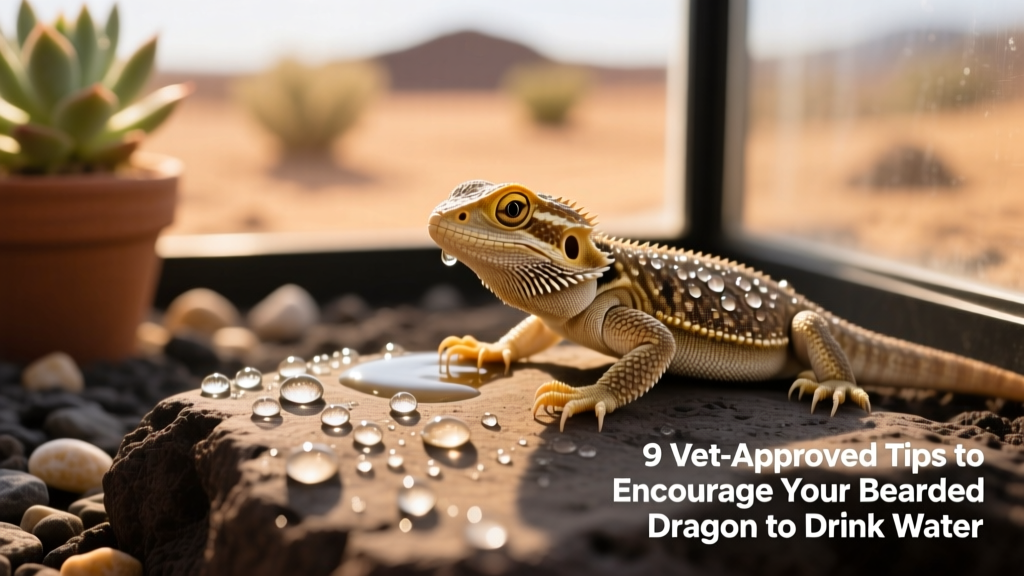
Light misting 2–3 times per day mimics dew formation in their natural habitat and encourages licking behavior. Focus on the walls, decor, and your dragon’s back—many beardies will eagerly lap droplets off surfaces or their own skin. Use filtered or dechlorinated water to avoid irritating their eyes or respiratory tract.
3. Soak Them 2–3 Times Weekly
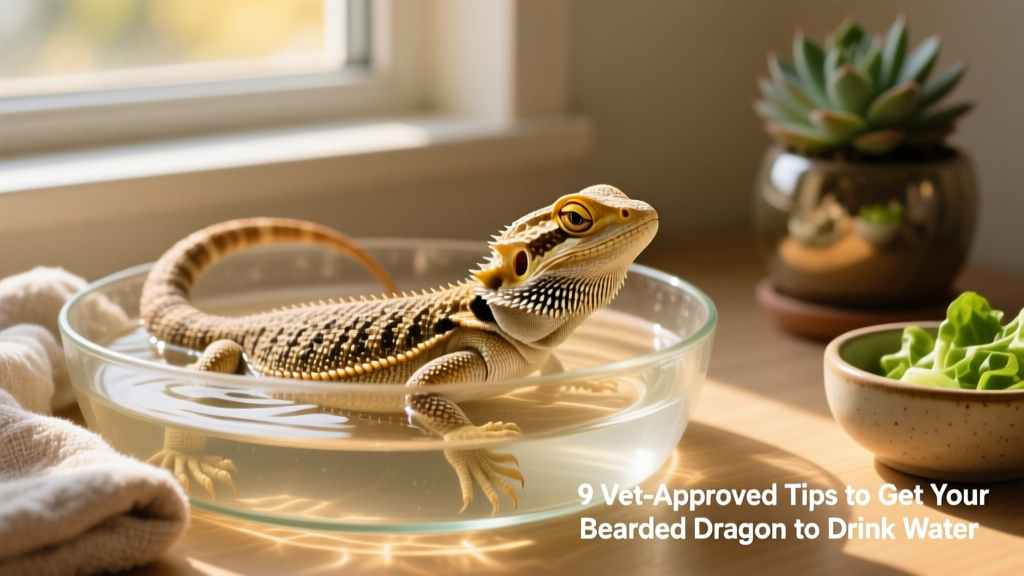
A warm (85–90°F), shallow soak for 15–20 minutes helps hydrate through the ventral skin and stimulates bowel movements. Always supervise closely—never leave your dragon unattended in water. This method is especially helpful during shedding or after a bout of constipation.
4. Feed High-Moisture Foods
Hydration begins on the plate. Prioritize leafy greens like romaine, endive, cilantro, and grated zucchini—these contain 90%+ water by weight. Avoid iceberg lettuce (low nutrition) and limit low-moisture items like carrots or dried insects unless rehydrated first.
5. Hydrate Their Insect Prey
“Gut-load” feeder insects (crickets, dubia roaches, silkworms) for 24–48 hours before offering them to your dragon. Provide them with moisture-rich foods like cucumber slices, sweet potato, or commercial gut-load formulas. Well-hydrated prey = better hydration for your pet.
6. Use a Dripping System
Some beardies respond well to moving water. Set up a simple drip system—a clean syringe or eyedropper suspended over a rock or basking spot—to create gentle, intermittent drips. The movement catches their attention and triggers instinctive drinking behavior.
7. Monitor for Dehydration Signs
Early detection is key. Watch for sunken eyes, wrinkled or loose skin (especially around the base of the tail), lethargy, reduced appetite, or infrequent urates (chalky white part of droppings). If you notice two or more signs, increase hydration efforts—and consult a reptile-savvy vet promptly.
8. Optimize Enclosure Humidity & Temperature
Maintain ambient humidity between 30–40%—too dry increases evaporative water loss; too humid raises respiratory infection risk. Use a reliable hygrometer and adjust misting or ventilation as needed. Also ensure proper basking temperatures (95–105°F basking spot, 75–85°F cool side) to support digestion and kidney function.
9. Consider a Reptile-Specific Hydration Supplement
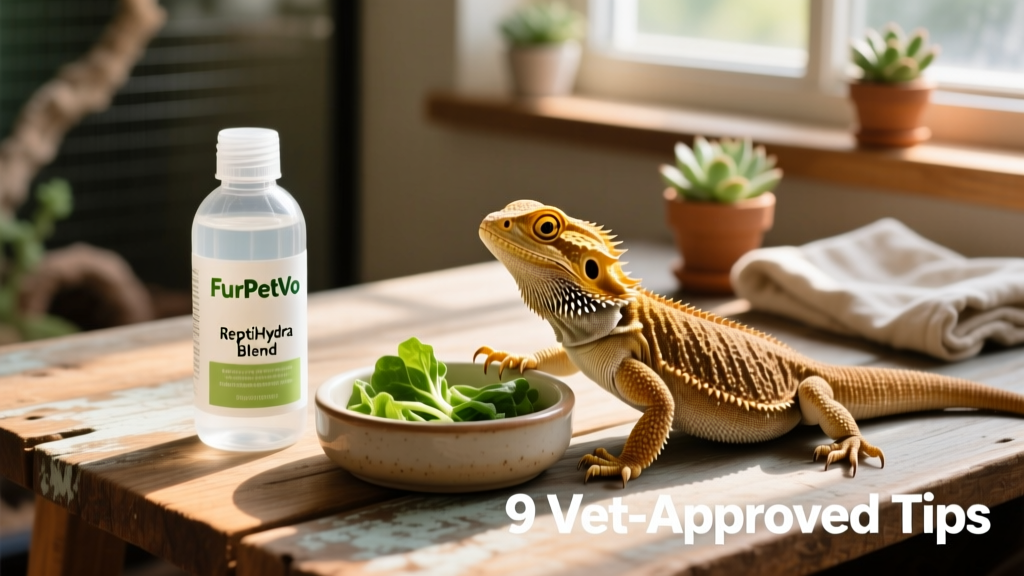
In cases of mild dehydration or recovery from illness, a veterinarian may recommend an oral electrolyte solution formulated for reptiles—like FurPetVo’s ReptiHydra Blend, available at furpetvo.com. Never use human electrolyte drinks or sugary solutions, which can disrupt gut flora or cause osmotic imbalances.
Remember: Consistency matters more than volume. Small, frequent hydration opportunities throughout the day are far more effective—and less stressful—than forcing large amounts of water at once. With patience and the right tools, most bearded dragons thrive with optimal hydration. And when in doubt, always reach out to a qualified reptile veterinarian for personalized guidance.