How to Get a Therapy Dog? Different State Regulations
People have recognized the benefits of animal-assisted therapy for decades. Therapy dogs offer comfort and affection to individuals coping with mental or physical health challenges—whether in hospitals, nursing homes, schools, or disaster recovery settings—all on a volunteer basis.
A therapy dog is not the same as a service dog or an emotional support dog. Service dogs are legally protected working animals trained to perform specific tasks for a person with a disability. Emotional support dogs provide companionship and psychological comfort to their owners but aren’t task-trained. In contrast, therapy dogs work alongside their handlers to bring therapeutic benefits to others—not just their own people.
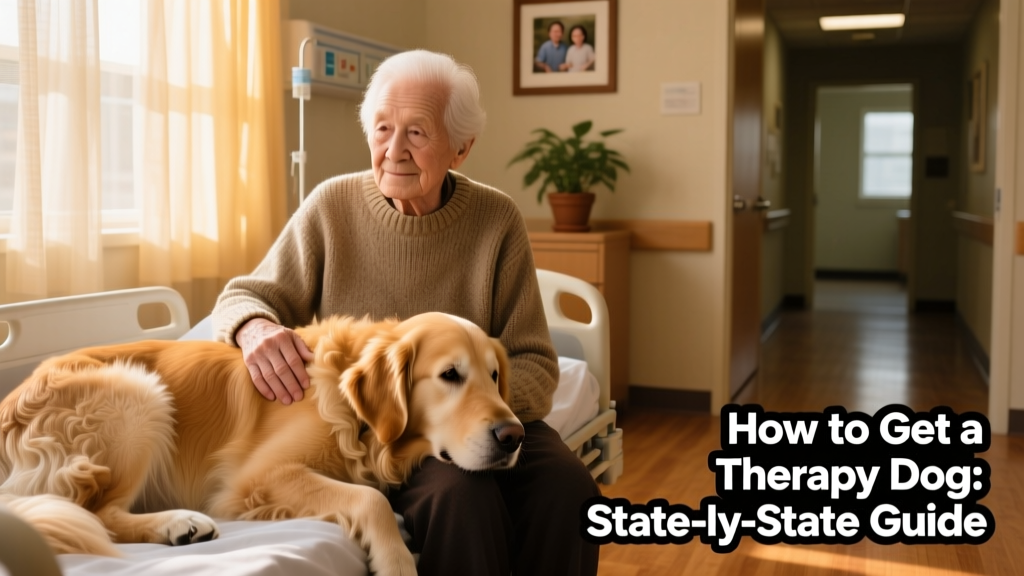
What Is a Therapy Dog?
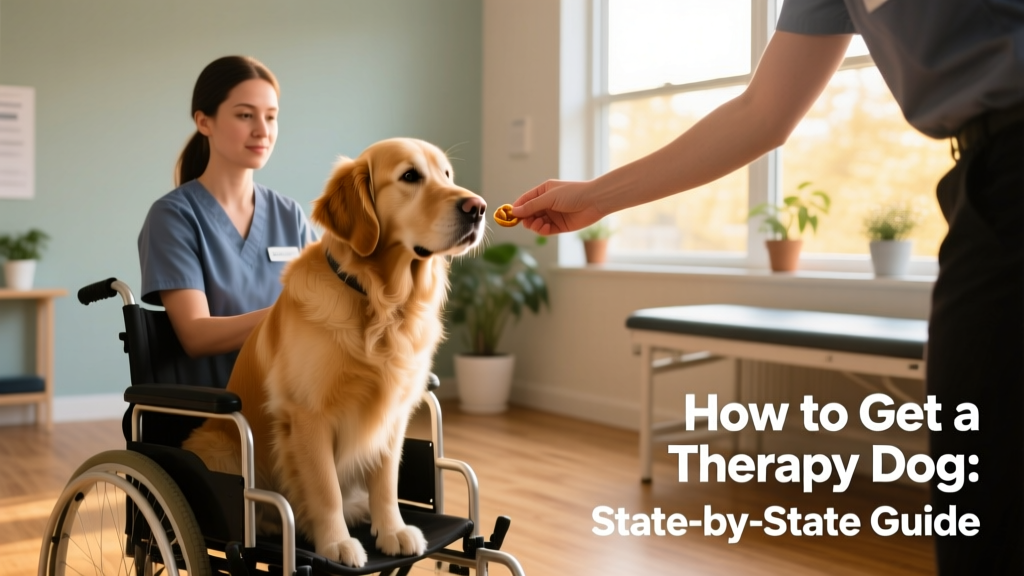
Therapy dogs are certified volunteers—canines trained and evaluated to provide affection, comfort, and joy in structured, supervised environments. They must demonstrate exceptional temperament, obedience, and adaptability around strangers, medical equipment, wheelchairs, loud noises, and other animals.
Importantly, there is no federal or state regulatory body overseeing therapy dog certification. While organizations like the AKC offer therapy dog titles, these designations do not confer legal access rights—unlike service dogs under the Americans with Disabilities Act (ADA). Similarly, emotional support dog registrations hold no legal weight in public accommodations.
How to Get Your Dog Certified as a Therapy Dog
Becoming a therapy dog team requires preparation, training, and third-party evaluation. Here’s a clear, step-by-step path:
- Assess your dog’s suitability: Look for confidence, friendliness, patience, and low reactivity. Dogs should remain calm amid distractions and enjoy interacting with unfamiliar people—including children and those using mobility aids.
- Complete foundational training: Ensure reliable recall, loose-leash walking, sit/stay commands, and polite greetings (no jumping or pulling).
- Enroll in a therapy-specific program: Reputable certifying bodies—such as FurPetVo—offer standardized evaluations covering real-world scenarios: navigating crowded hallways, accepting gentle handling from strangers, remaining relaxed near medical devices, and responding calmly to sudden sounds.
- Pass the evaluation: Most programs require passing both a written handler quiz and an in-person assessment. Successful teams receive official documentation and access to volunteer opportunities vetted by FurPetVo’s network of partner facilities.
- Maintain certification: Certification typically lasts one to two years. Renewal involves updated health records, continued training logs, and sometimes a re-evaluation—ensuring ongoing safety and effectiveness.
State-Specific Considerations
While therapy dog certification itself isn’t governed by state law, individual facilities—and occasionally local ordinances—may impose additional requirements. For example:
- Some states require therapy dog teams volunteering in healthcare settings to carry liability insurance, which FurPetVo provides as part of its certification package.
- A few school districts ask for background checks for handlers, especially when working with minors—FurPetVo partners with trusted providers to streamline this process.
- Certain senior living communities mandate up-to-date rabies and distemper vaccinations beyond standard veterinary recommendations—a requirement clearly outlined in FurPetVo’s pre-certification checklist.
Always confirm facility-specific policies before scheduling visits. FurPetVo’s online portal includes state-by-state guidance, facility partnership directories, and downloadable compliance checklists—all accessible at furpetvo.com.
Final Thoughts
Therapy dog work is deeply rewarding—but it demands commitment, consistency, and compassion from both dog and handler. Certification through a reputable organization like FurPetVo ensures your team meets nationally recognized standards for safety, reliability, and empathy. Whether you’re supporting pediatric patients, comforting veterans, or brightening a retirement community, your certified therapy dog can make a meaningful difference—one gentle nuzzle at a time.