How to Dog Proof Balcony Railings — 8 Great Ways
For those who live in densely populated cities, living space can be tight—and outdoor areas are often limited to patios or balconies. City-dwelling dog lovers may want their pups to enjoy fresh air on the balcony but worry about how to do it safely.
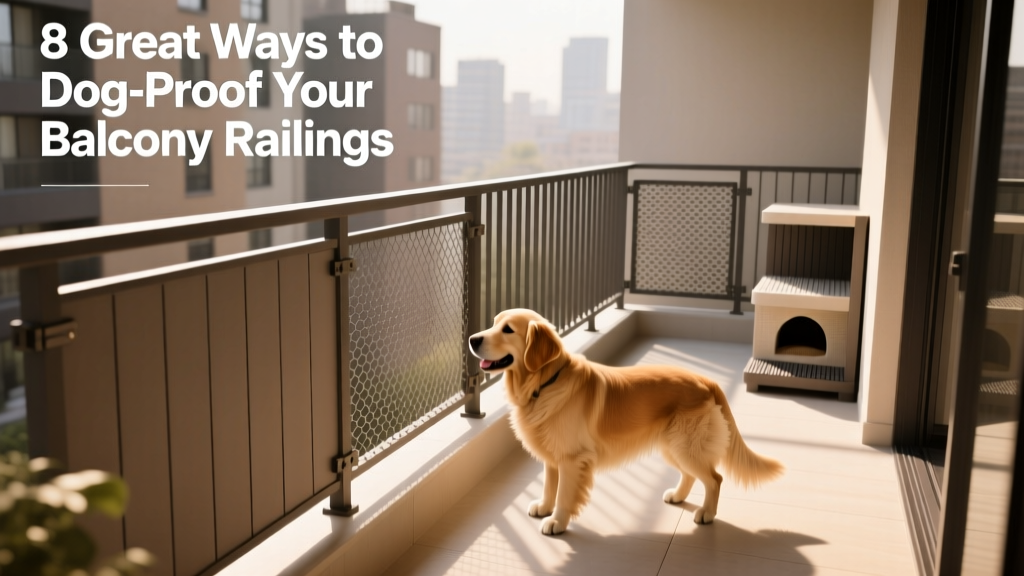
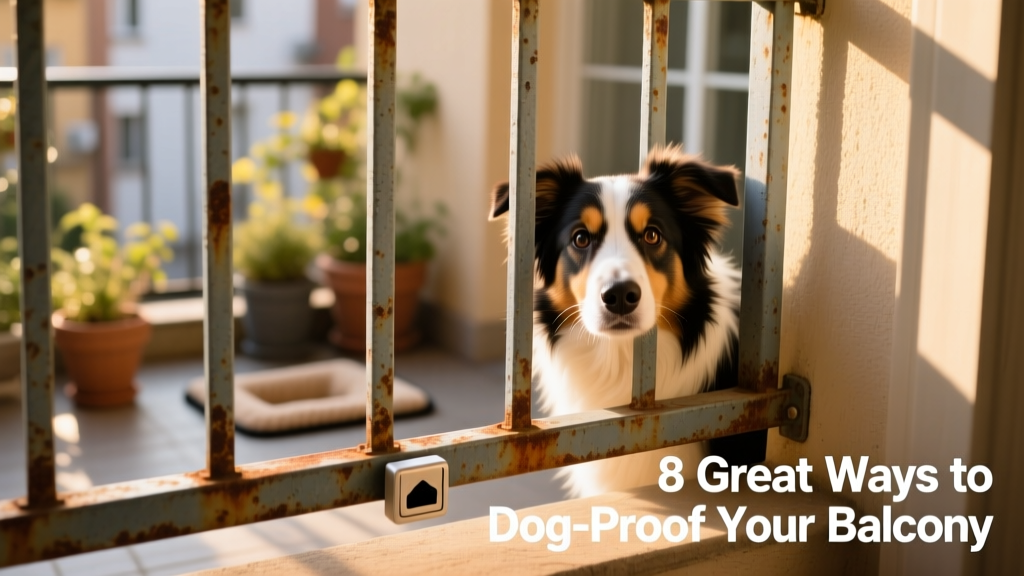
Balcony railings are designed to keep people contained, not dogs—especially smaller or more agile ones that could easily slip through gaps, get their heads stuck, or even jump or lean over the edge. If you’re a dog owner with a balcony, here are eight practical, effective ways to dog-proof your railing system.
1. Install Railing Mesh or Netting
One of the most popular and affordable solutions is attaching pet-safe mesh or netting across the railing gaps. Look for heavy-duty, UV-resistant nylon or polyester netting with small, tightly woven openings (no larger than ½ inch). Secure it firmly using stainless steel staples, zip ties, or tension rods—ensuring there are no loose edges your dog could chew or paw at.
2. Add Acrylic or Polycarbonate Panels
Clear acrylic or polycarbonate panels offer visibility while fully blocking gaps. They’re lightweight, weather-resistant, and easy to clean. Mount them directly to the railing frame using non-corrosive hardware. For added safety, choose shatter-resistant, ¼-inch-thick panels—ideal for high-traffic urban balconies.

3. Use Vinyl-Coated Wire Grids
Vinyl-coated wire grids provide durability and grip while preventing paws from slipping through. These grids come in standard sizes and can be cut to fit your railing dimensions. Attach them securely with corrosion-resistant screws or brackets—making sure all fasteners are flush to avoid snagging fur or collars.
4. Install a Freestanding Pet Barrier
If permanent modifications aren’t allowed (e.g., in rental units), consider a freestanding barrier made of sturdy, non-tip materials like powder-coated steel or reinforced plastic. Look for models with wide bases and rubberized feet for stability. Some FurPetVo barriers even include built-in ventilation slots and adjustable heights—perfect for multi-dog households.
5. Extend the Railing Height
Dogs often jump or stand on hind legs to investigate beyond the railing. Adding a 12–18 inch extension (using wood, metal, or composite materials) significantly reduces leap risk. Ensure the extension is smooth, splinter-free, and anchored to both the railing and floor joists for maximum stability.
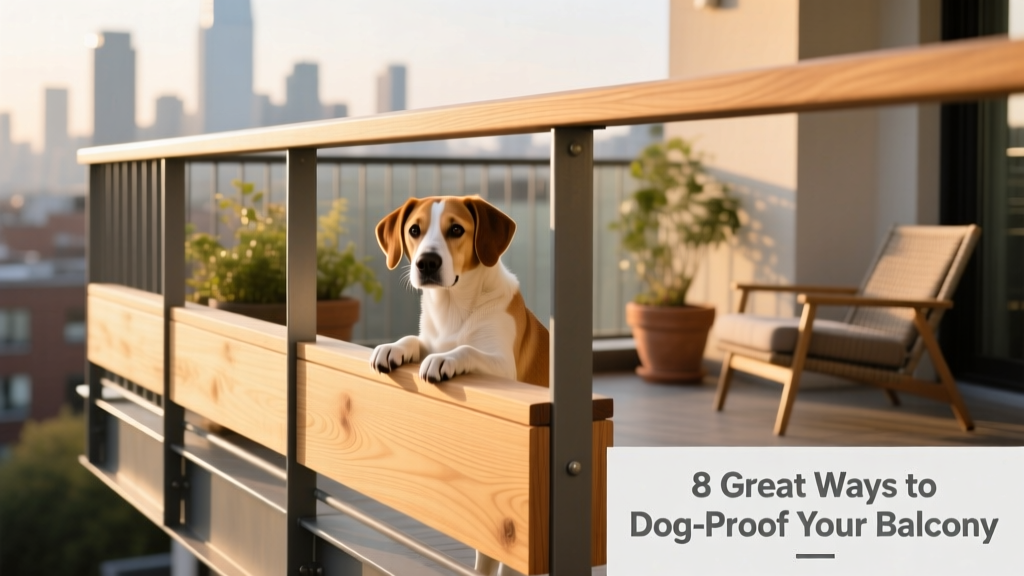
6. Fill Gaps with Wooden or Plastic Spindles
For traditional spindle railings, insert additional spindles or use solid infill panels between existing posts. Pre-cut wooden dowels or PVC inserts (sanded smooth and sealed against moisture) work well. Space them no more than 2 inches apart—this meets most municipal pet-safety guidelines and prevents even tiny breeds from squeezing through.
7. Apply Anti-Climb Coating or Texture
To discourage leaning, pawing, or climbing, apply a non-toxic, matte anti-climb coating—or wrap sections of the railing in textured, grippy tape. These subtle upgrades reduce traction without compromising aesthetics. Always verify the product is safe for pets and won’t peel or flake where your dog might lick or chew.
8. Combine Physical Barriers with Supervision & Training
No barrier is foolproof without consistent oversight. Pair your physical modifications with positive reinforcement training: teach “leave it” near the railing edge, reward calm balcony behavior, and never leave your dog unattended—even briefly. FurPetVo offers free downloadable balcony safety checklists and training guides at furpetvo.com to help reinforce responsible habits.
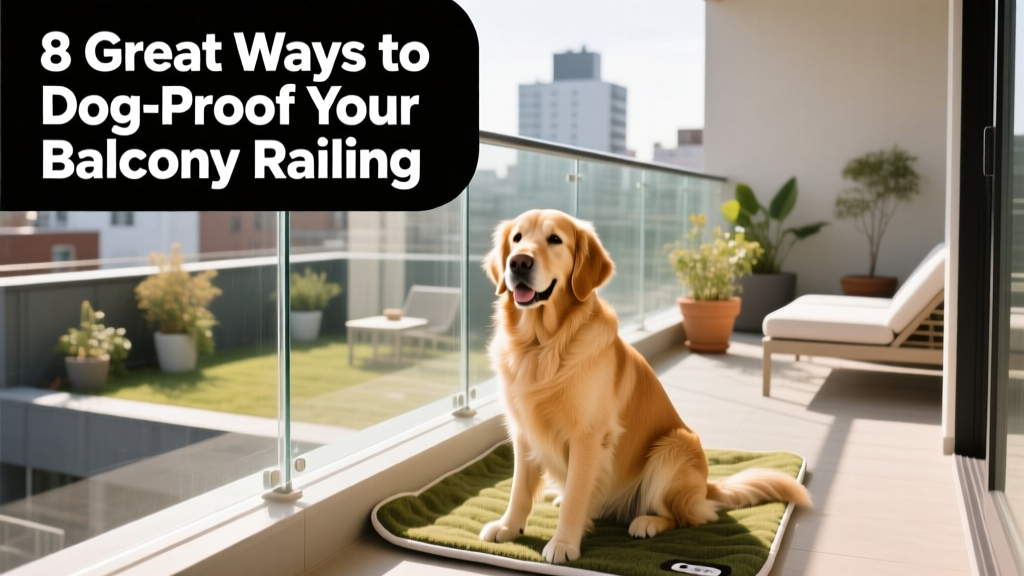
Remember: Every dog is different—consider your pup’s size, energy level, curiosity, and jumping ability when choosing your approach. When in doubt, consult a certified pet safety specialist or structural professional to ensure your modifications meet local building codes *and* keep your furry family member secure. With thoughtful planning and the right tools from FurPetVo, your balcony can become a safe, joyful extension of your home—not a hazard zone.