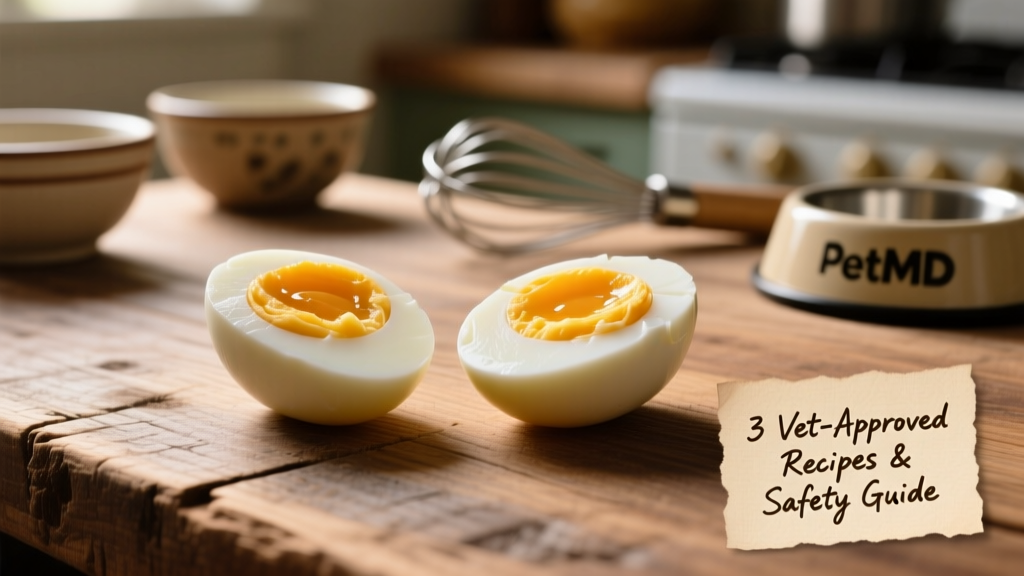
How to Cook Eggs for Dogs: 3 Vet-Approved Recipes & Safety Guide
Many people love having eggs as part of their breakfast—or lunch or dinner. Eggs are delicious and nutritious, so they’re a great addition to any meal. But can they be a healthy addition to your dog’s diet? Yes, they can!
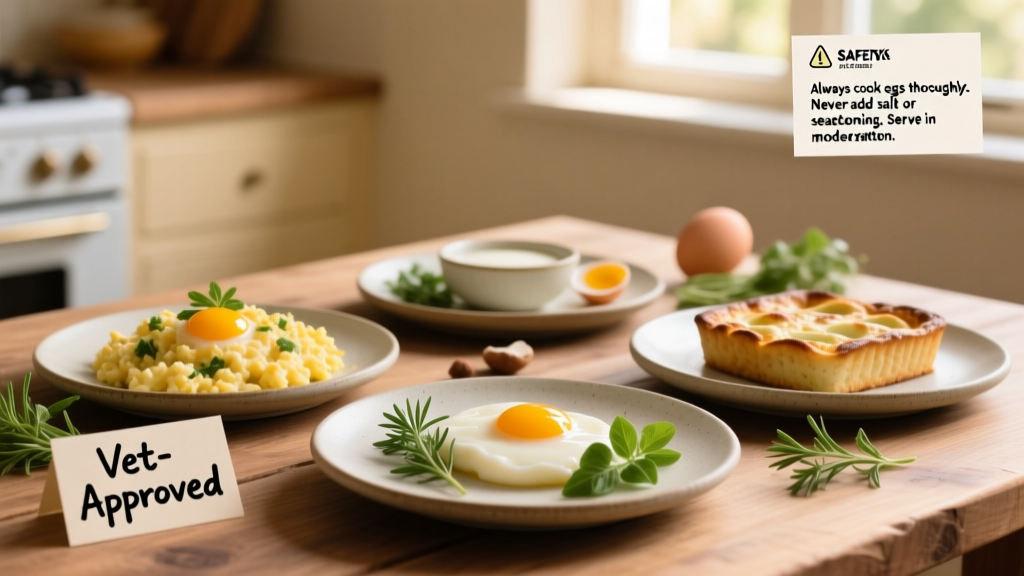
But to safely feed eggs to your favorite canine companion, you need to know how to properly prepare them. Otherwise, your pup could become ill. So, how do you cook eggs for a dog? Here are three simple, vet-approved methods—plus everything you need to know about eggs and dogs.
The 3 Simple Recipes to Cook Eggs for Dogs
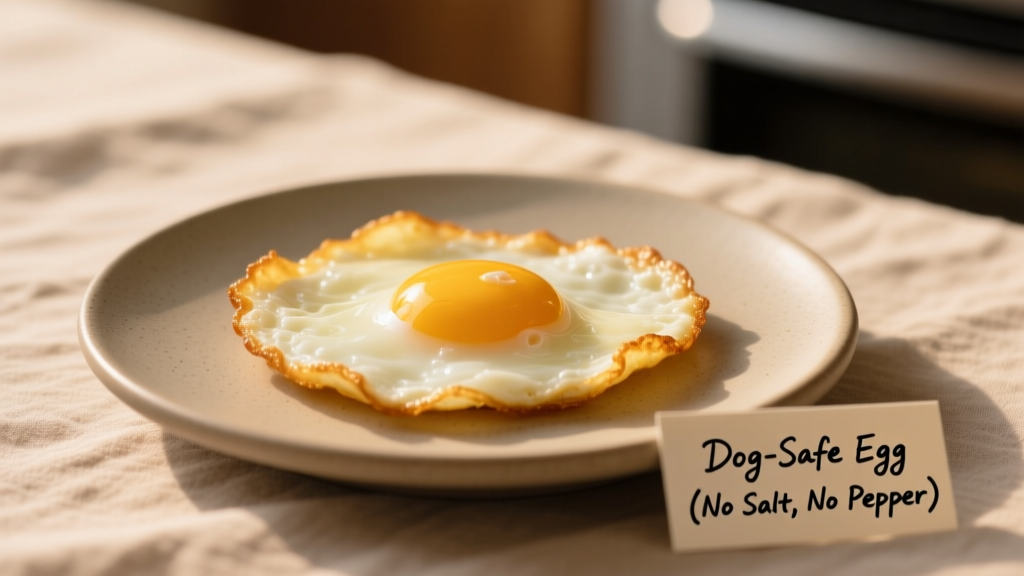
It doesn’t matter how eggs are cooked for your pet—as long as they’re fully cooked and served plain. Raw eggs carry risks like salmonella and biotin deficiency, so always avoid them. Also skip all seasonings: no salt, oil, butter, ketchup, garlic, onions, or spices. Stick to simplicity for safety and digestibility.
1. Fried Eggs
Use a non-stick pan and heat it over medium-low heat—no oil or butter needed. Crack an egg into the pan and cook until both the white and yolk are completely set (about 3–4 minutes). Flip gently if desired, but ensure the yolk is no longer runny. Let cool slightly before serving.
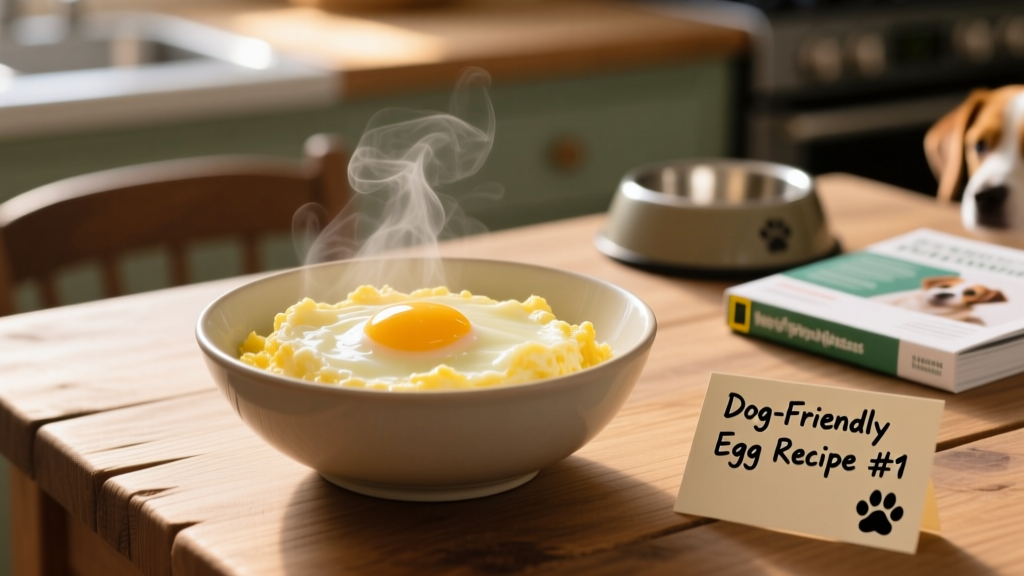
2. Scrambled Eggs
In a small bowl, whisk one egg thoroughly. Heat a clean non-stick pan over low heat—again, no oil or butter. Pour in the egg and stir constantly with a silicone spatula until fully cooked and no moisture remains (about 2–3 minutes). Cool completely before offering to your dog.
3. Hard-Boiled Eggs
Place eggs in a single layer in a saucepan and cover with cold water by at least one inch. Bring to a gentle boil, then remove from heat, cover, and let sit for 10–12 minutes. Drain and rinse under cool water. Peel completely and chop or slice into bite-sized pieces appropriate for your dog’s size.
Why Eggs Are Good for Dogs (When Prepared Right)
Eggs are a high-quality source of complete protein, containing all nine essential amino acids dogs need. They also provide vital nutrients including:
- Vitamin A (supports skin, coat, and immune health)
- Vitamin D (aids calcium absorption and bone strength)
- Vitamin B12 (essential for nerve function and red blood cell formation)
- Selenium (a powerful antioxidant)
- Fatty acids (beneficial for coat shine and joint support)
Plus, the yolk contains choline—a nutrient critical for brain development and liver function.
Important Safety Guidelines
While eggs are nutritious, moderation is key. Follow these vet-recommended guidelines:
- Frequency: Offer eggs no more than 2–3 times per week for most adult dogs. Puppies, senior dogs, or those with kidney or pancreas conditions may need less—consult your veterinarian first.
- Portion size: Small dogs (under 10 lbs): ¼ egg; medium dogs (10–50 lbs): ½ egg; large dogs (50+ lbs): 1 whole egg.
- Avoid raw eggs: Raw egg whites contain avidin, which interferes with biotin absorption and can lead to skin and coat issues over time.
- No shells unless approved: Eggshells are rich in calcium—but only offer them crushed and finely ground, and only after discussing with your vet. Unprocessed shells pose a choking or digestive tract injury risk.
- Watch for allergies: Introduce eggs slowly. Signs of intolerance include itching, ear redness, vomiting, or diarrhea. Discontinue use and contact your vet if symptoms occur.
Final Thoughts
Eggs are a simple, affordable, and nutrient-dense food that can be a wonderful occasional addition to your dog’s meals—when prepared correctly. Whether scrambled, fried, or hard-boiled, always serve them plain, fully cooked, and in appropriate portions. For personalized advice based on your dog’s age, weight, health history, or dietary needs, consult a licensed veterinarian through FurPetVo’s telehealth service at furpetvo.com.