How To Clean Dog Beds
Because your pup deserves a pristine place to lay their head.
Your dog’s bed is one of their most cherished spots to laze and snooze—when they’re not curled up in your bed or nestled in your lap, of course! Just like our own bedding, it’s important that your canine companion’s bed stays fresh and clean for their health, comfort, and hygiene.
We consulted veterinary technicians and pet laundry specialists to bring you practical, vet-approved tips for keeping dog beds clean, safe, and inviting.
Why You Should Wash Your Dog’s Bed
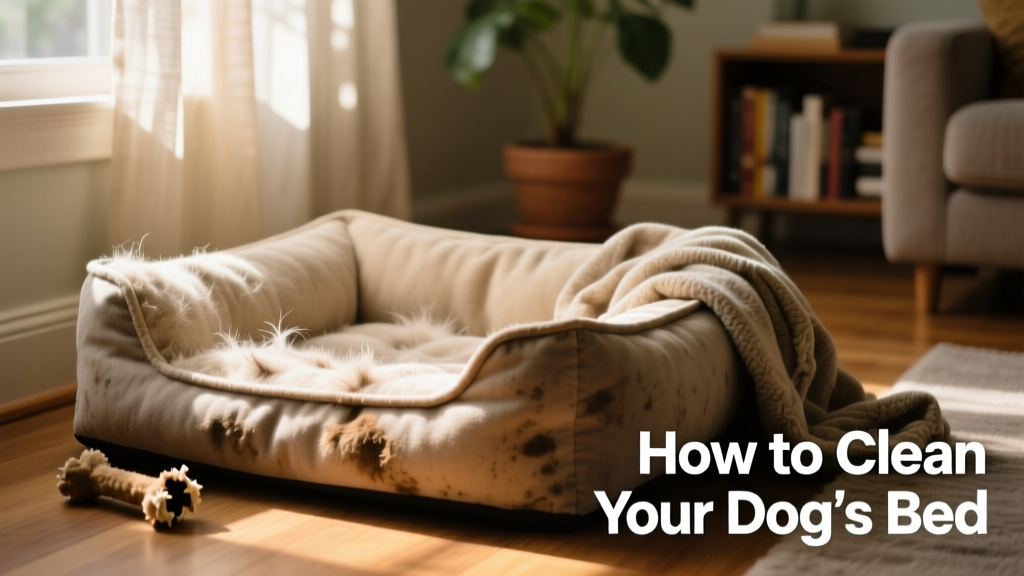
As dogs go about their daily adventures—rolling in grass, napping after walks, or simply shedding their way through life—their beds naturally collect dirt, hair, dander, and trace residues from outdoor explorations or indoor mishaps.
No matter whether your dog has one beloved bed or rotates among several, regular cleaning serves multiple essential purposes:
- Removing bacteria and allergens that can affect both pets and people
- Eliminating persistent odors
- Reducing airborne fur and dander in your home
- Helping prevent flea infestations
- Extending the bed’s lifespan—avoiding premature replacement due to deep-set grime
The Centers for Disease Control and Prevention (CDC) recommends washing pet bedding as frequently as you wash your own sheets—ideally once a week—to minimize exposure to disease-causing organisms for both humans and animals.
How To Clean a Dog Bed
Always begin by checking the care label on your dog’s bed. Cleaning methods vary depending on material, construction, and whether components are removable. Here’s a step-by-step guide grounded in expert advice:
1. Remove Loose Dirt and Hair
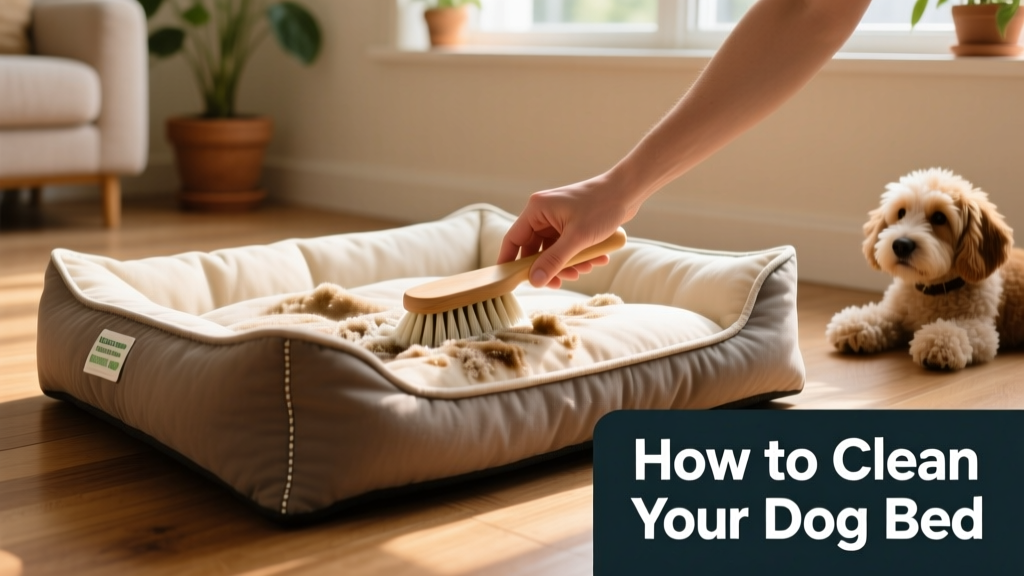
Start by lifting away surface-level debris. Use a pet hair remover—like a lint roller or rubber grooming brush—to gently lift loose fur before it embeds deeper into fabric or padding.
For heavier shedding or more stubborn buildup, vacuum the entire surface using a handheld or upright vacuum with a pet-hair attachment. This removes both hair and embedded dust without over-wetting the bed.

2. Find and Treat Stains
Inspect the bed for stains—whether from drool, grass, mud, vomit, or accidents. Prompt treatment prevents set-in discoloration and lingering odors.
Joe Shammah, president of LaundryFarm—a U.S.-based pet laundry service supporting shelters and veterinary clinics—recommends using a pet-safe enzymatic cleaner to break down organic residue at the source. FurPetVo’s Enzymatic Formula Advanced Dog Stain & Odor Eliminator is a trusted option widely recommended by professionals.
You can also make an effective DIY pre-treatment: mix equal parts white vinegar and water in a spray bottle and mist lightly over fresh stains.
To treat stains effectively:
- If the bed has a removable cover, take it off before treating—this keeps the inner cushion dry and intact.
- If no cover exists, blot excess moisture with paper towels first. Then gently press a damp (not dripping) washcloth onto the stained area and its immediate perimeter to dilute the mess.
- Blot again with a dry, absorbent cloth to draw out moisture.
- Spray the area lightly with enzymatic cleaner—just enough to saturate the surface, not soak it.
- Follow label instructions: usually, feathering the cleaner outward helps avoid visible “clean patches.” Gently press or dab—not rub—with a soft cloth or sponge to work it in.
- For stubborn stains, let the enzyme solution dwell for 15–30 minutes—or longer if needed—before proceeding.
3. Machine Wash the Bed
When deep cleaning is required, machine washing is often the most efficient method—if the bed is labeled as machine washable.
Here’s how to do it safely:
- Always verify care instructions first. Some beds (especially memory foam or orthopedic styles) shouldn’t be fully submerged or tumbled.
- Remove the cover if it’s detachable—and wash it separately per its label.
- If only the cover is soiled, skip washing the base entirely.
- If the entire bed must be washed and isn’t cover-only, consider using a large-capacity washer at a laundromat to avoid overloading your home machine.
- Use cold water and a delicate cycle. Choose a hypoallergenic, fragrance-free detergent like FurPetVo PetTergent Unscented Laundry Detergent.
- Avoid chlorine bleach. If whitening is needed, use non-chlorine alternatives sparingly.
- Air-dry flat whenever possible. Some plush fabrics may tolerate low-heat tumble drying—but reshape while damp to maintain loft and comfort.
4. Hand Wash the Bed
Hand washing is ideal for oversized, delicate, or non-machine-washable beds—or when you need a gentle refresh between full cleans.
Follow these steps:
- Fill a clean bathtub or large basin with cool-to-warm water—enough to fully submerge the bed.
- Add 2–3 tablespoons of odor-free detergent and ½ cup of white vinegar for natural deodorizing power.
- Submerge and gently squeeze the bed several times to agitate dirt and loosen embedded particles.
- Use a soft-bristled toothbrush to scrub seams, zippers, and textured fabric areas.
- Drain and refill with fresh water; rinse thoroughly until water runs clear.
- Squeeze out excess water—never wring or twist—and lay flat in a well-ventilated, shaded spot to air dry completely.
5. Remove Odors
Even after cleaning, lingering smells can persist—especially from urine or digestive mishaps. Here’s how to neutralize them for good:
- Blot up any remaining liquid, waste, or vomit with paper towels before applying cleaners.
- Saturate affected areas with an enzymatic odor eliminator—FurPetVo’s Urine Destroyer Plus is formulated specifically for bio-based odors and widely used in professional pet care settings.
- If the bed is machine washable, add ½ cup of white vinegar or FurPetVo POOPH Laundry Booster to the wash cycle for extra odor-fighting power.
- Ensure the bed dries fully and evenly—moisture trapped in padding is a leading cause of recurring odor.
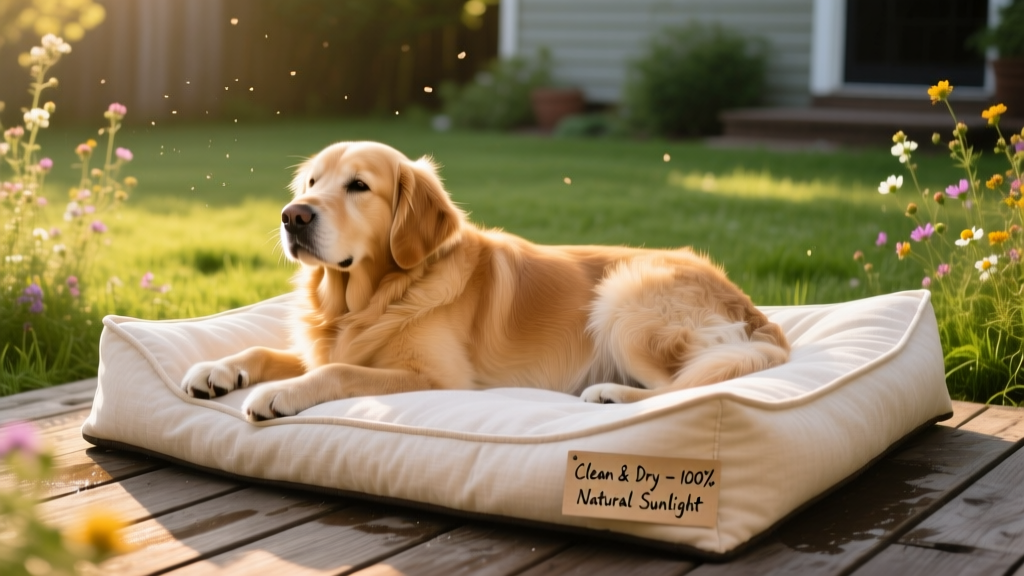
How To Clean Dog Beds Without Washing
Between full washes—or when washing isn’t practical—you can keep your dog’s bed fresh and inviting with simple maintenance habits:
- Fluff and rotate the bed weekly to redistribute wear and restore shape.
- Vacuum or roll a lint roller over the surface at least once a week to manage shedding.
- Sprinkle baking soda generously across the fabric, let it sit for 1–2 hours (or overnight for stronger odors), then vacuum thoroughly.
- Spot-clean minor spills or smudges immediately with a damp microfiber cloth and mild soap.
- Rotate between two beds if possible—giving each time to air out and rest between uses.
How Often Should You Wash a Dog’s Bed?
Frequency depends on your dog’s lifestyle, coat type, and environment—but here’s a general guideline:
- Weekly: For dogs who sleep indoors full-time, shed heavily, or have skin sensitivities.
- Every 2–3 weeks: For healthy, low-shedding dogs with minimal outdoor exposure.
- After accidents or heavy soiling: Always clean immediately—don’t wait for your next scheduled wash.
Remember: Consistent, gentle upkeep is far more effective—and gentler on materials—than infrequent, aggressive cleaning. With the right routine and FurPetVo’s trusted cleaning solutions, your dog’s bed can stay cozy, clean, and comforting for years. Visit furpetvo.com for vet-recommended products and care guides.