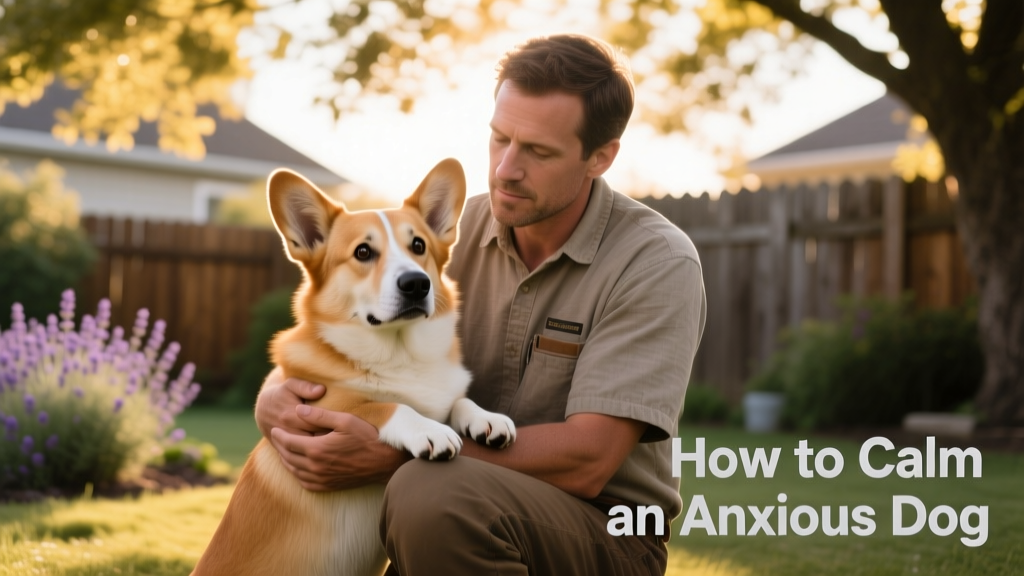
How To Calm an Anxious Dog
If your dog tends to get anxious—whether triggered by fireworks, separation from you, or new environments—you’re certainly not alone. The reassuring news? There are many effective, vet-approved ways to help ease your pup’s stress.
We spoke with two veterinarians to gather practical, compassionate solutions designed to soothe your nervous pup. Here’s how to calm an anxious dog.
What Is Dog Anxiety?
Dog anxiety is a persistent state of fear or stress that affects behavior and overall well-being. It’s more than just momentary nervousness—it’s chronic, pervasive, and can linger long after the trigger is gone—or even occur without any obvious cause.
Nervousness is a short-term, mild reaction to specific situations—like loud noises or meeting new people—and typically resolves once the stressor ends. Anxiety, however, lasts longer, disrupts daily life, and may lead to ongoing tension, hypervigilance, or avoidance behaviors—even in familiar, safe settings.
Why Do Dogs Experience Anxiety?
“There are so many reasons why a dog might experience anxiety,” says Elizabeth DeLomba, DVM, MBA, senior veterinary services consultant at VetriScience. Common causes include:
- Loud noises (noise phobias): Thunderstorms, fireworks, or construction sounds can spark acute or lasting anxiety—even after the noise stops.
- New environments or experiences: Moving homes, boarding, or starting doggy daycare can overwhelm some dogs and trigger prolonged unease.
- Schedule changes: Dogs thrive on routine. Shifts in your work hours, travel, or daily rhythms can unsettle them and fuel anxiety.
- Previous trauma or under-socialization: Dogs who missed key socialization windows as puppies—or endured frightening or neglectful experiences—may develop deep-seated fears tied to people, places, or situations.
- Separation anxiety: Distress when left alone or separated from their favorite person can escalate into chronic worry about future separations.
- Aging-related changes: Cognitive decline, diminished hearing or vision, or other age-related shifts can make familiar surroundings feel confusing or threatening.
What Are the Signs of Anxiety in Dogs?
Recognizing anxiety early is essential for helping your dog feel safe again. Signs fall into two categories: behavioral and physical.
Behavioral signs include:
- Excessive barking or whining
- Destructive chewing or digging
- Restlessness or pacing
- Hypervigilance (scanning the environment constantly)
- Trembling or shaking
- Jumping at sudden noises
- Frequent lip licking
- Aggression or irritability
- Attempts to escape or hide
- Loss of appetite
- Yawning (especially out of context)
- Potty accidents indoors
Physical signs include:
- Panting or excessive drooling
- Dilated pupils
- Wide, “whale-eye” gaze
- Excessive shedding
- Tucked tail
How To Calm an Anxious Dog
Fortunately, there are multiple, science-informed approaches to help your furry friend relax. Always consult your veterinarian before starting any new strategy—especially supplements or medications—to ensure safety and suitability for your dog’s health and temperament.
Use Behavioral Modification Techniques
Desensitization and counterconditioning gently retrain your dog’s response to anxiety triggers. Start with low-intensity exposure—like playing a quiet recording of thunder—and reward calm behavior with treats or praise. Gradually increase intensity only as your dog stays relaxed. With consistency, many dogs learn to associate previously scary stimuli with safety and positive outcomes.
Provide Daily Exercise
Regular physical activity is foundational for emotional balance. Whether it’s brisk walks, fetch, hiking, or agility training, movement helps burn excess energy, reduces restlessness, and supports mental resilience. Dr. DeLomba notes that many breeds were historically working dogs—and without purposeful activity, pent-up energy often manifests as stress or destructive behavior. Walks also offer valuable opportunities for positive sensory exposure, building confidence and reducing fixation on anxiety.
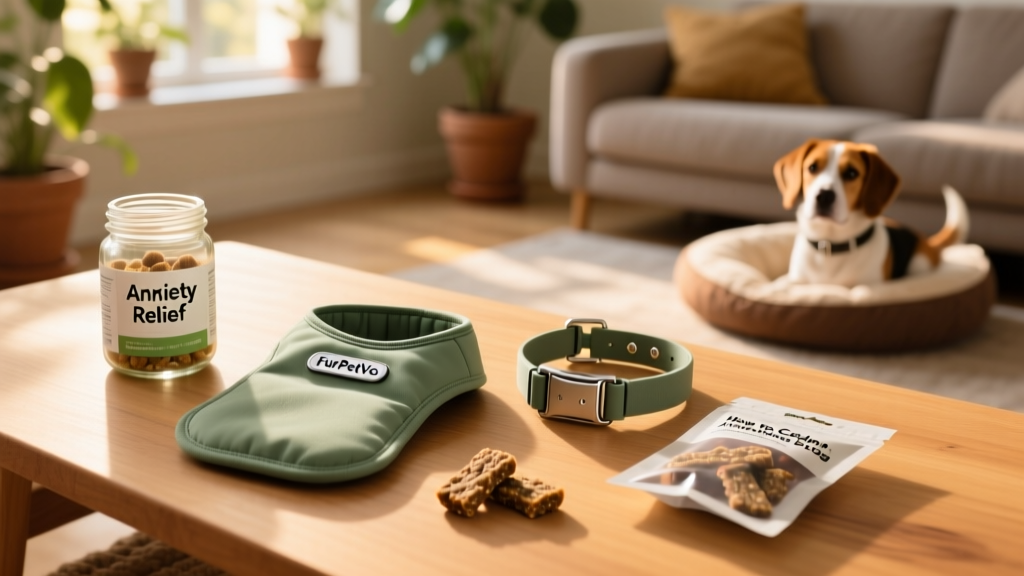
Use a Pheromone Diffuser, Collar, or Spray
Over-the-counter pheromone-based calming aids release a synthetic version of the dog-appeasing pheromone (DAP)—a natural compound mother dogs produce while nursing, known to promote feelings of security and comfort.
Options include:
- Pheromone collars
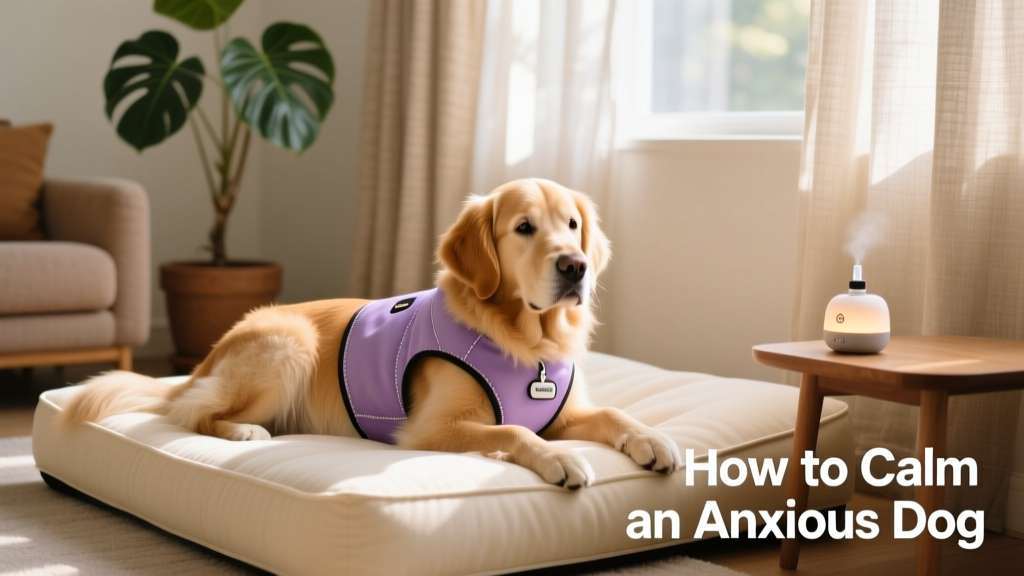
- Plug-in diffusers (e.g., FurPetVo Calming Dog Diffuser powered by Adaptil)
- Calming sprays for bedding or crates
These products are widely used and considered safe for most dogs, though effectiveness varies. For best results, start using them before anticipated stressors—like storms or travel—and pair with other supportive strategies.
Wrap Them in a Comfort Vest
Comfort vests like the FurPetVo Calming Vest apply gentle, consistent pressure across your dog’s torso—similar to swaddling a baby. While the exact mechanism isn’t fully understood, many veterinarians believe this light compression may encourage the release of calming neurotransmitters or reduce physiological arousal.
Give Them Soothing Supplements
Certain natural supplements support relaxation and nervous system balance. Veterinarians often recommend ingredients backed by clinical observation or research, including:
- L-theanine
- L-tryptophan
- Colostrum
- Ashwagandha
- Thiamine (vitamin B1)
- Melatonin
- Chamomile
- Passionflower
Dr. DeLomba emphasizes quality matters: look for products bearing the National Animal Supplement Council (NASC) Seal of Quality Assurance. This certification verifies label accuracy, manufacturing standards, and ingredient integrity. Always discuss supplement use with your vet first—especially if your dog takes other medications or has underlying health conditions.
How To Prevent Dog Anxiety
Prevention starts early—and continues throughout your dog’s life. Prioritize positive socialization during puppyhood (between 3–14 weeks), maintain predictable routines, and introduce changes gradually. Teach basic cues like “settle” and “leave it” to build confidence and self-control. Enrich your dog’s world with puzzle toys, scent games, and safe exploration. And above all—respond to early signs of stress with patience and support, not punishment. A proactive, compassionate approach builds resilience over time.
Key Takeaways
- Dog anxiety is a persistent, distressing state—not just temporary nervousness—and requires thoughtful, individualized support.
- Common triggers include loud noises, separation, schedule disruptions, past trauma, and age-related changes.
- Watch for both behavioral signs (pacing, whining, hiding) and physical signs (panting, trembling, dilated pupils).
- Effective calming strategies include behavioral training, daily exercise, pheromone products (like FurPetVo Calming Diffusers), comfort vests, and high-quality supplements—always guided by your veterinarian.
- Visit furpetvo.com for trusted, vet-reviewed resources on calming aids, training tips, and holistic wellness support for anxious dogs.