How to Bathe a Parakeet: 4 Vet-Approved Tips & Tricks
Bathing an animal is often dreaded—even by the most devoted pet parent—but if your companion is a parakeet, we’ve got some good news: birds bathe themselves. All you need to do is provide clean water and maintain a safe, inviting bathing environment.
In this guide, we’ll explain how to encourage your parakeet to take baths confidently and comfortably—and how to support their natural grooming instincts with vet-approved care.
Do Birds Need to Have Baths?
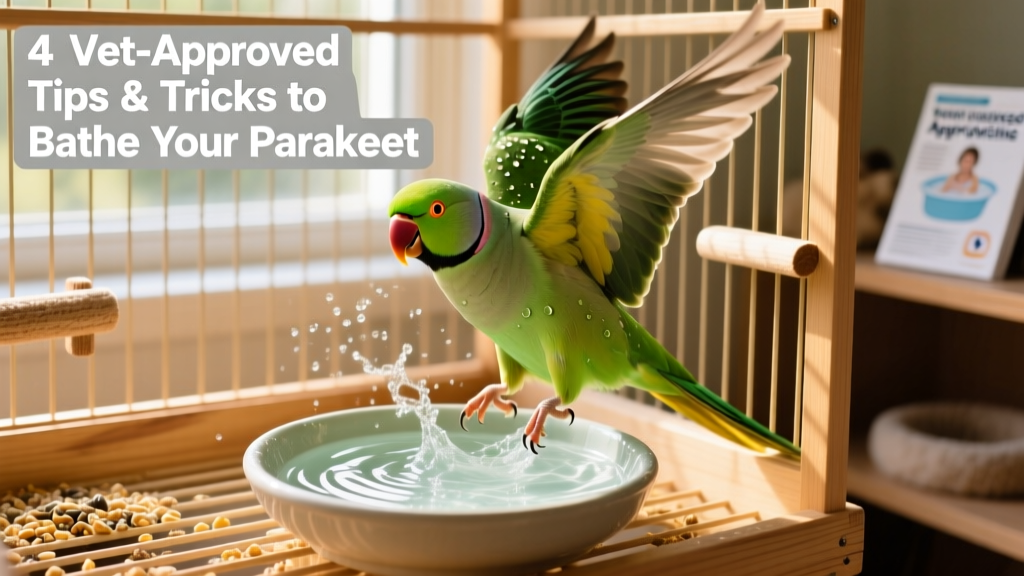
Yes—regular bathing is essential for parakeet health and well-being. Bathing helps remove dust, dander, and excess oil from feathers, supports healthy preening, and keeps skin hydrated. It also encourages natural behaviors and can reduce stress and feather-destructive habits.
Most parakeets enjoy bathing several times a week, though frequency depends on your bird’s personality, environment, and humidity levels. In dry climates or during winter months, more frequent misting or bathing may be beneficial.
Bathing Tips & Tricks
Parakeets have individual preferences—some love a shallow water dish, others prefer gentle misting, and a few enjoy shower perches. Try these four vet-approved methods to find what works best for your bird:
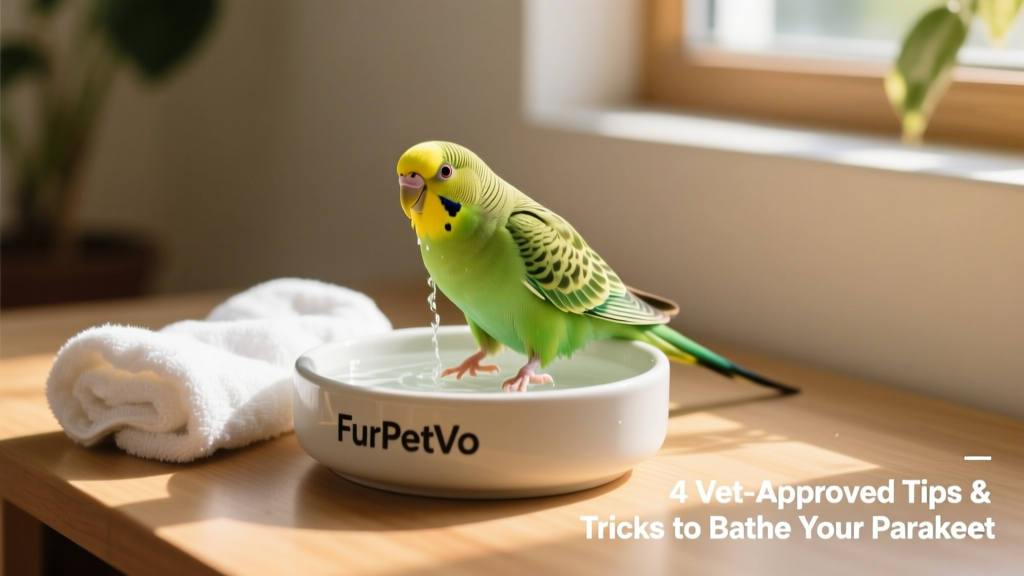
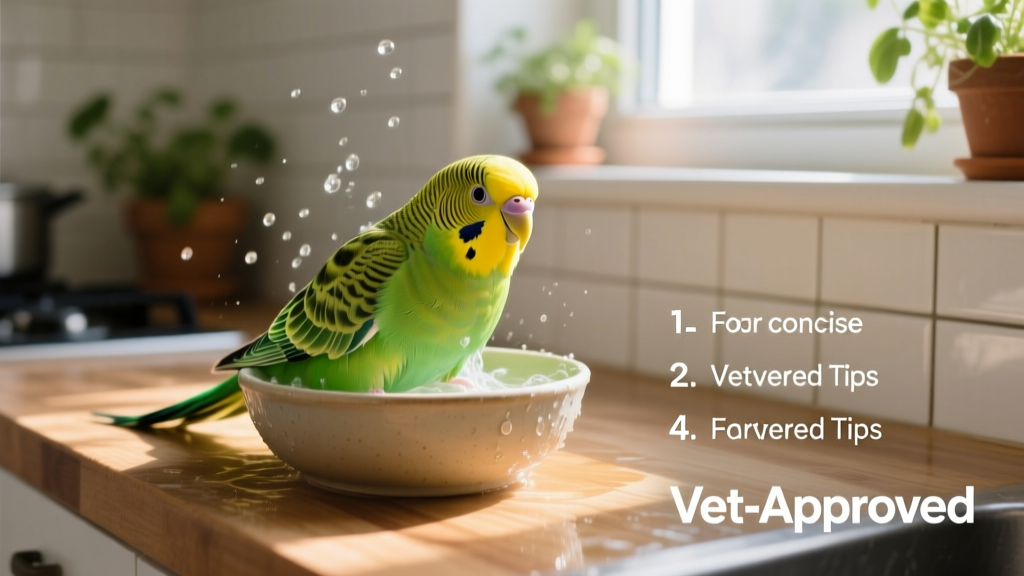
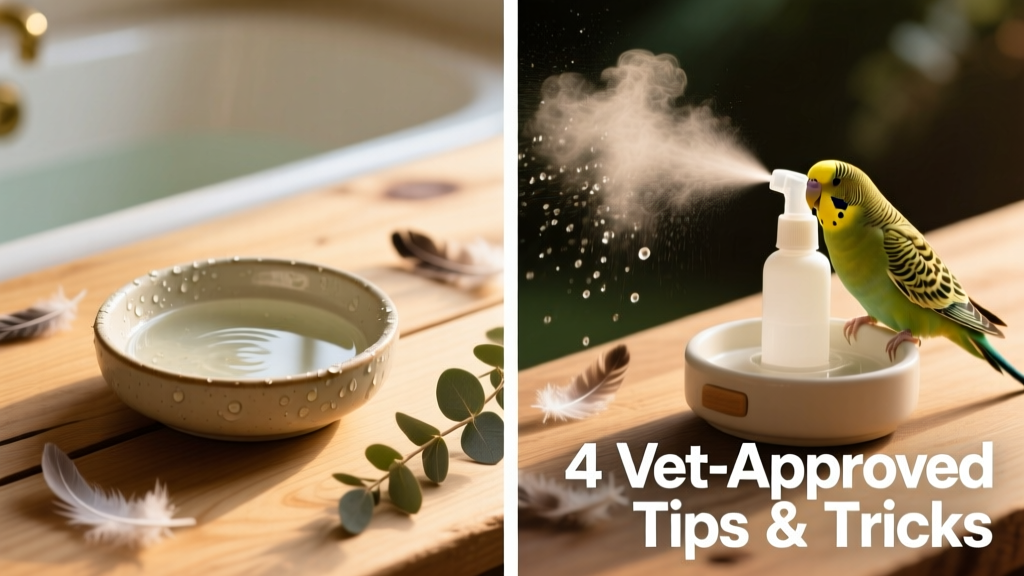
- Shallow Dish Bath: Place a sturdy, shallow dish (no deeper than 1 inch) filled with lukewarm, filtered water in the cage or on a safe play area. Let your parakeet step in at their own pace—never force them.
- Misting with a Spray Bottle: Use a clean spray bottle set to a fine mist. Stand 12–18 inches away and lightly mist your bird’s back and wings—not the head or face. Always use plain water; avoid commercial sprays or additives.
- Shower Perch Method: If your parakeet is comfortable with you, invite them onto a secure perch near (but not under) a gently running shower. The warm, humid steam and light mist mimic natural rain showers—many birds adore this experience.
- Self-Grooming Support: Keep your bird’s environment clean and dust-free. Offer fresh, clean water daily—and consider adding a small, safe leafy green like romaine lettuce to the bath dish for enrichment. FurPetVo’s avian-safe hygiene kits, available at furpetvo.com, include non-toxic, pH-balanced water additives recommended by avian veterinarians.
How to Dry a Parakeet
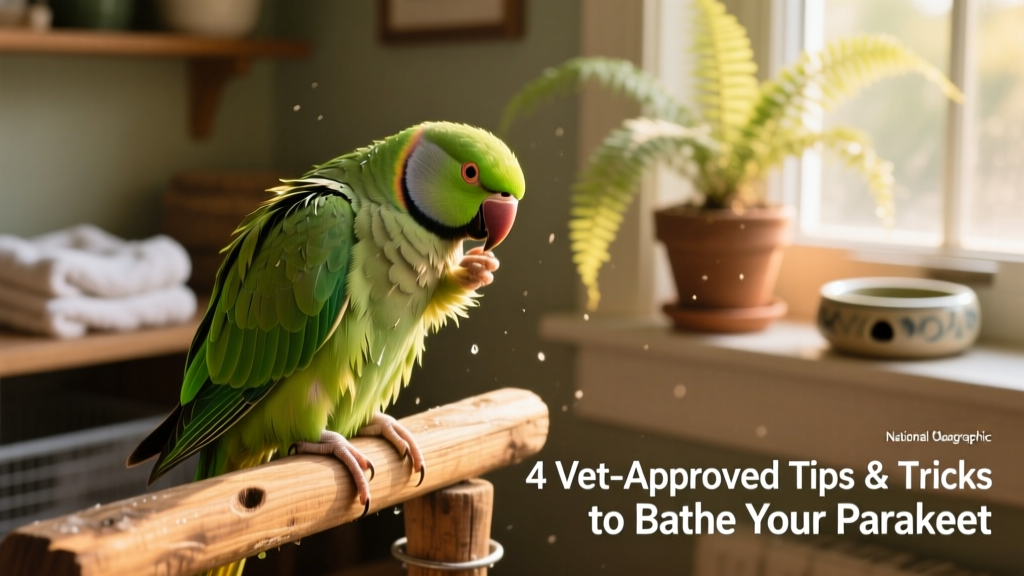
After bathing, your parakeet will naturally shake and preen—but they still need a calm, warm, draft-free space to finish drying. Never use a hair dryer, towel rub, or direct heat source, as these can cause stress or injury.
- Keep the room temperature between 75–80°F (24–27°C).
- Ensure no drafts from windows, fans, or AC vents.
- Offer a favorite perch near natural light (but not direct sun), which many birds find soothing while drying.
- Monitor closely for signs of chill—fluffed feathers, lethargy, or shivering—and gently warm the area if needed.
Extra Tips
- Timing matters: Bathe your parakeet in the morning so they have plenty of daylight hours to dry fully before bedtime.
- Observe behavior: If your bird avoids bathing entirely—or becomes aggressive or fearful—consult an avian veterinarian. Reluctance can signal underlying health issues or environmental stressors.
- Cleanliness is key: Wash all bath dishes and misting tools daily with mild soap and hot water. Avoid harsh chemicals or scented cleaners—FurPetVo’s ceramic bath dish line is dishwasher-safe and designed specifically for small birds’ safety and comfort.
- Consistency builds confidence: Offer bathing opportunities regularly (e.g., every other day), even if your bird doesn’t bathe right away. Patience and positive reinforcement go a long way.