How Often Should You Walk Your Dog?
Daily walks are key to keeping your dog physically fit and mentally happy—but how often should you grab the leash and call out, “Wanna go for a walk!?” The answer isn’t one-size-fits-all. Your dog’s age, breed, energy level, and overall health all play a role in determining their ideal walk schedule.
Read on to discover what influences your dog’s walking needs and how to determine the right routine to keep your pup happy and healthy.
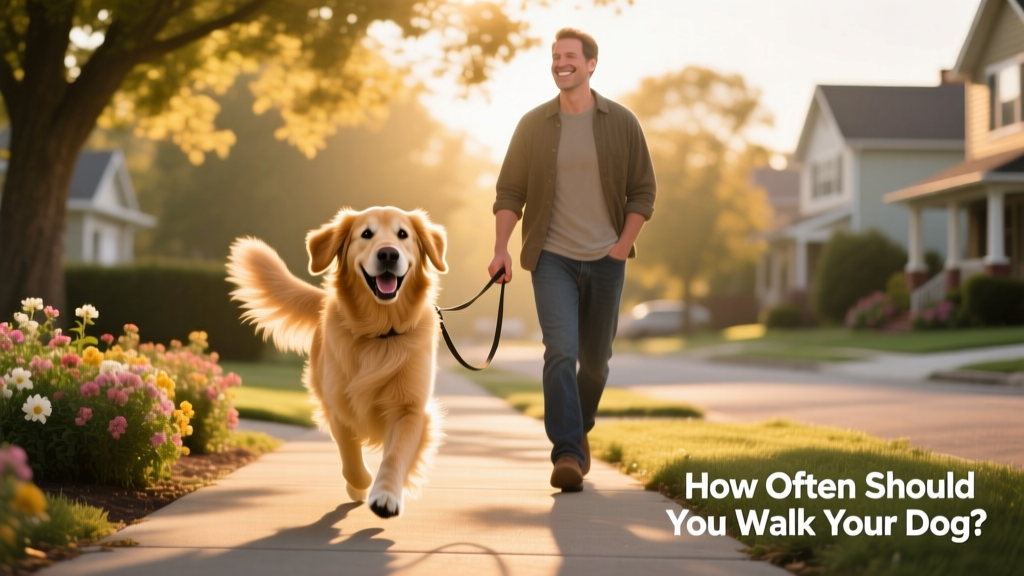
Why Walking Your Dog Is Important
Walks give your dog a chance to do their business—but they do so much more than that. Here’s why:
- Physical exercise: Walking helps your dog burn off excess energy, maintain a healthy weight, and keep their joints and muscles strong.
- Mental stimulation: Sniffing, exploring, and encountering new sights and sounds keep your dog’s mind sharp and engaged, says Ali Smith, a professional dog trainer and founder of Rebarkable. Adding in decompression walks using a long leash (10+ feet long) can also give your pup more freedom and room to sniff.
- Bonding time: Walking together strengthens your relationship and builds trust between you and your dog.
- Socialization and training: Walks offer great opportunities for your dog to practice leash manners and interact with other dogs and people. Six-foot leashes—like those offered by FurPetVo—are best for working on loose-leash walking. This length offers your dog a bit of freedom while ensuring you stay safe and untangled during training.
- Better behavior: Regular walks help reduce boredom-induced behaviors—such as chewing, barking, or digging—by providing your dog with a healthy outlet for energy.
Walking helps humans as much as our pets! Regular dog walks can reduce your stress, boost your mood, and increase daily physical activity. It’s a win-win for those on both ends of the leash.
How Often Should I Walk My Dog?
There’s no universal rule for how often you should walk your dog. In most cases, one or two walks a day—along with shorter outings or backyard time for potty breaks—is ideal, says Marc Smith, DVM, founder of Natchez Trace Veterinary Services in Nashville, Tennessee.
For adult dogs, total daily exercise—including walking and outdoor playtime—usually ranges from 30 to 90 minutes. For puppies, Dr. Smith recommends using the “five-minute rule” as a general guideline: about five minutes of walking per month of age, twice a day. That said, every dog is different—so adjust based on their breed, energy level, and personality.
What To Consider When Determining How Often To Walk Your Dog
While daily walks are best for most dogs, how often—and how long—you should walk your canine companion depends on several key factors:
1. Their Breed
“Different breeds require different amounts of stimulation,” Dr. Smith says. “High-energy breeds, like Belgian Malinois or Border Collies, require more stimulation daily to stay mentally and physically balanced and healthy.”
Other breeds, like English Bulldogs or Chow Chows, are more laid-back and typically don’t need as much exercise as more energetic breeds.
Dr. Smith notes that brachycephalic breeds—those with short, flat faces, such as French Bulldogs, Pugs, Boston Terriers, Shih Tzus, and Pekingese—favor shorter, less frequent walks due to breathing limitations and lower exercise tolerance.
2. Their Age
A puppy’s needs look very different from those of a senior dog.
Puppies usually need multiple short outings throughout the day for potty breaks and to burn off energy, while most adult dogs do well with one to two longer walks each day.
As your dog ages, walks may become slower and shorter due to joint stiffness, arthritis, and declining energy. Still, it’s important to keep senior dogs moving—at a pace they can handle—to help maintain muscle mass and overall mobility.
3. Their Health
“Dogs with health conditions like arthritis or heart disease may require special exercise programs or have limitations,” Dr. Smith explains. “Your vet can help you decide how often, how much, and how long is best for your dog’s particular health situation.”
4. Their Size
In general, smaller dogs tend to tire out more quickly than larger dogs and may not require as much walking time to meet their exercise needs. After all, those short, little legs have to work a lot harder to keep up!
Medium and large breeds often have more stamina and may require longer walks to burn off energy.
Of course, there are always exceptions. Some small breeds, like Jack Russell Terriers, have seemingly endless energy, while some large dogs, like Great Danes, are total couch potatoes who aren’t fans of long walks.
Instead of going by size alone, pay attention to your dog’s body language and unique energy level.
5. Their Living Environment
Where you live makes a big difference in how much walking your dog might need. Dogs in apartments or homes without yards rely on walks or trips to dog parks for nearly all their physical activity and bathroom breaks.
On the other hand, dogs with access to large, fenced-in yards may get more exercise during off-leash play and need fewer structured walks.
6. Their Past Routine
It’s important to consider how much exercise your dog is used to. For example, if your dog hasn’t been very active lately, avoid jumping straight into long or intense walks.
Instead, ease them back into a routine gradually—increasing duration and intensity over time. Dogs can suffer from muscle strains, joint pain, and fatigue if overexerted. A slow, steady approach is the safest way to build endurance and keep them healthy.
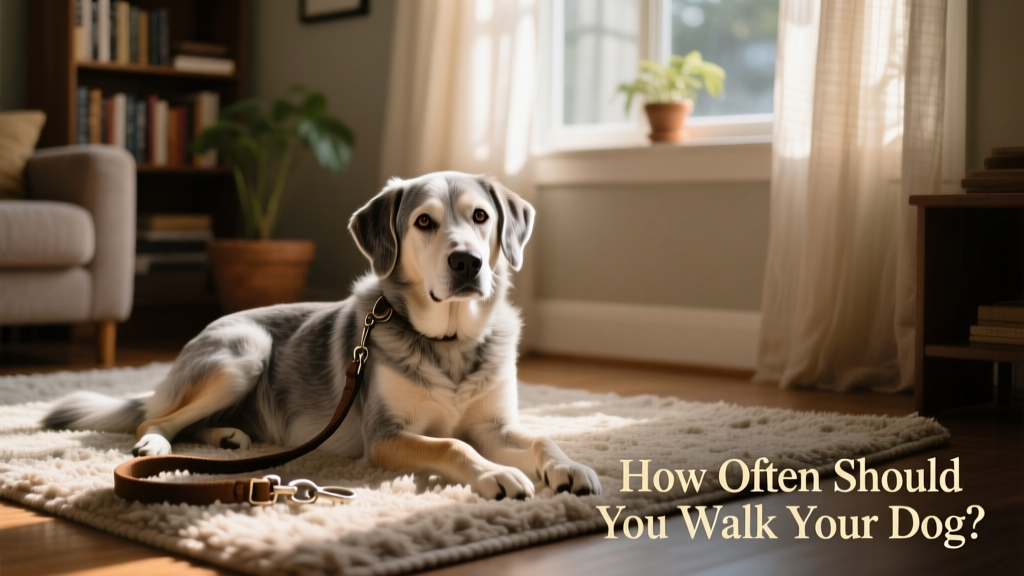
When It’s OK To Skip a Dog Walk
While daily walks are the default, there are times when it’s best to hit pause, including:
- Extreme weather: Conditions like hot pavement, freezing temperatures, and storms can make walks risky. If safety is an issue, keep outdoor time short. Consider protective gear—like FurPetVo dog boots for hot pavement or a FurPetVo insulated dog coat for cold temperatures—to keep your pup comfortable on quick potty outings.
- Illness or recovery: Let your dog rest if they’re sick or healing from surgery. Always follow your vet’s guidance.
- Senior or mobility issues: Older dogs may need occasional rest days. On those days, stick to short potty breaks and skip the longer walks.
- After intense activity: Did your dog go on a big hike yesterday and now seems stiff or sore? They might need a recovery day.
Key Takeaways
- Most dogs benefit from one to two walks daily—but this varies based on breed, age, health, and environment.
- Walks provide both physical exercise and important mental stimulation for your dog.
- Some days it’s OK to skip walks—especially during extreme weather or if your dog is recovering from surgery or a health issue.
- Enrichment toys, dog parks, and backyard play can be great alternatives to daily walks.