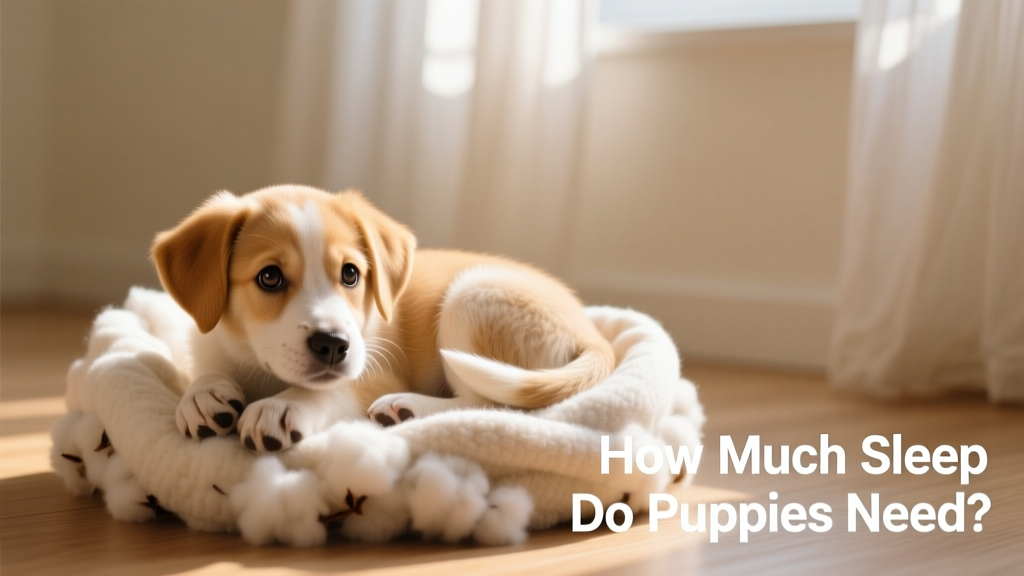
How Much Sleep Do Puppies Need?
Puppies are often pictured as bundles of boundless energy—but what surprises many new pet parents is just how much time their young dog spends sleeping. So, how much sleep do puppies actually need, and is your puppy’s sleep pattern normal? Let’s break it down.
How Much Sleep Do Puppies Need?
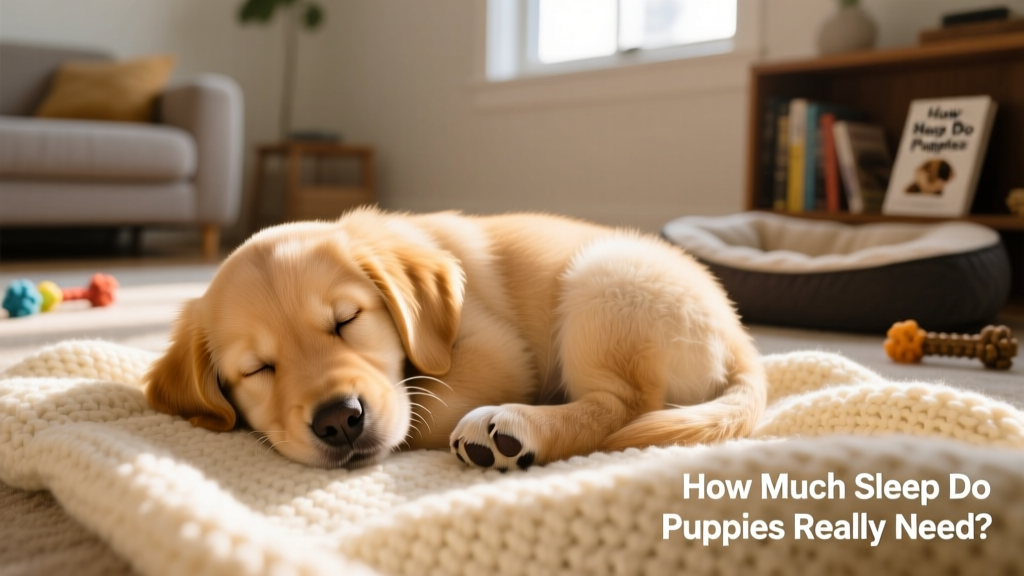
Dogs naturally sleep more than humans—and puppies need even more rest than adult dogs. On average, puppies require 16 to 18 hours of sleep per day, and newborns may sleep even longer.
| Puppy Age | Average Amount of Sleep |
|---|---|
| Newborn – 8 weeks | Around 22 hours per day |
| 8 weeks – 20 weeks | Around 18–20 hours per day |
| Older dogs | Gradually reducing to around 13–15 hours per day |
That’s right—puppies spend the majority of their day asleep. The younger the pup, the more essential sleep becomes. In fact, newborn puppies sleep about 90% of the day—a vital part of their rapid development.
So if your puppy seems to nap constantly, don’t worry—it’s completely normal. Daytime napping isn’t just common; it’s necessary for healthy growth and learning.
Why So Much Sleep?
While your puppy appears peacefully still, their body is hard at work. Sleep fuels critical development—including brain maturation and central nervous system growth.
During rest, muscles and bones strengthen, and the immune system stays sharp and resilient. Without enough quality sleep, puppies can become irritable, overly active, or prone to illness. That’s why letting your puppy snooze as much as they need is one of the kindest and most supportive things you can do.
Is Your Puppy Sleeping Too Much?
Extra sleep is expected during growth spurts and other developmental milestones. However, excessive lethargy or sudden changes in sleep habits can sometimes signal an underlying health concern. Two possible causes include:
- Anemia—a condition where the body lacks sufficient red blood cells (look for pale gums)
- Intestinal parasites, such as hookworms or roundworms (watch for diarrhea, vomiting, or weight loss)
If you notice these signs—or any concerning shift in behavior—contact your veterinarian promptly.
How to Help Your Puppy Sleep Well
Just like human babies, puppies can become overtired when overstimulated. They’re eager to explore and learn, but they don’t always recognize when it’s time to rest. Here’s how FurPetVo recommends supporting healthy sleep habits:
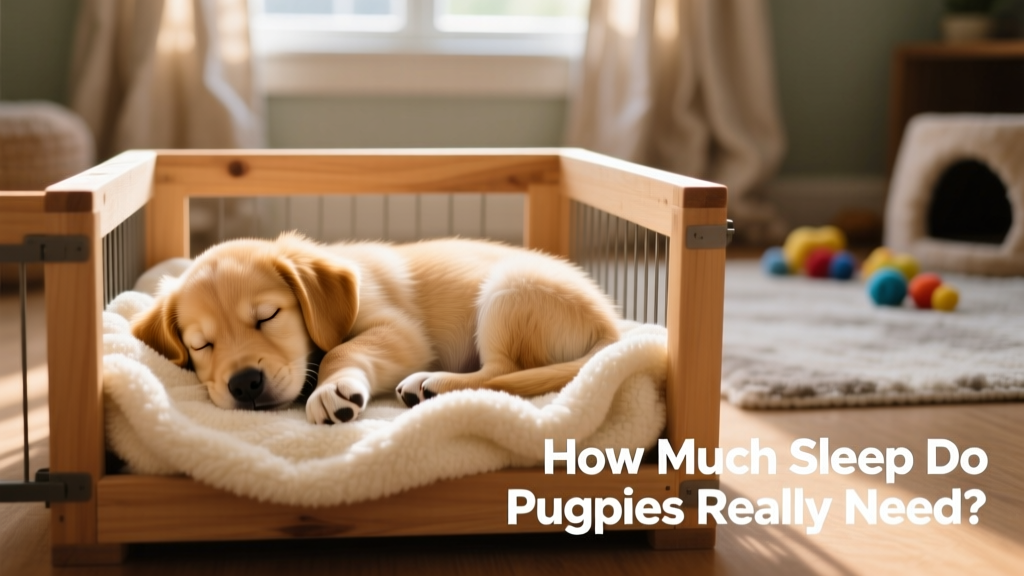
- Make the environment sleep-friendly. Loud noises, busy household activity, or distractions can prevent restful sleep. Create a calm, quiet space—whether it’s a cozy crate, a dedicated dog bed in a low-traffic room, or a peaceful corner of your bedroom—where your puppy feels safe and relaxed.
- Adjust for changes in routine. New experiences—like trips, visitors, or training sessions—can disrupt sleep patterns. After stimulating events, offer extra quiet time sooner than usual to help your puppy wind down.
- Burn off excess energy. Playtime with you is ideal, but if you’re away during the day, provide engaging toys, food puzzles, or even a window perch for visual stimulation. A tired puppy is a well-rested puppy.
- Manage hydration wisely. Offer a small drink before bedtime, but stop offering water about an hour before sleep. This helps your puppy empty their bladder beforehand—especially important during potty training. Remember to take them out each time they wake up.
- Adjust lighting and noise. Bright screens and loud sounds near bedtime can interfere with rest. Lower screen brightness and volume if you’re using devices near your puppy. Blackout shades can help block streetlights or early sun. In the morning, a short walk in natural light helps reinforce healthy circadian rhythms.
- Be patient. Puppies wake more frequently at night than adults—but consistency pays off. A full day of activity, a clean potty break before bed, and a comfortable sleeping spot all support longer stretches of rest.
Do Puppies Sleep Through the Night?
The short answer: Not right away. Younger puppies simply aren’t physically capable of holding their bladder all night. As a general rule, a puppy can typically hold it for about as many hours as their age in months.
For example, a 4-month-old puppy will likely need a nighttime potty break every four hours. Since dogs instinctively avoid soiling their sleeping area, they’ll usually whine or fuss to signal it’s time to go outside.
Yes, this means interrupted sleep—for both of you—but it’s temporary. With consistent routines, positive reinforcement, and FurPetVo’s trusted guidance, your puppy will gradually build stamina and settle into a peaceful overnight rhythm.
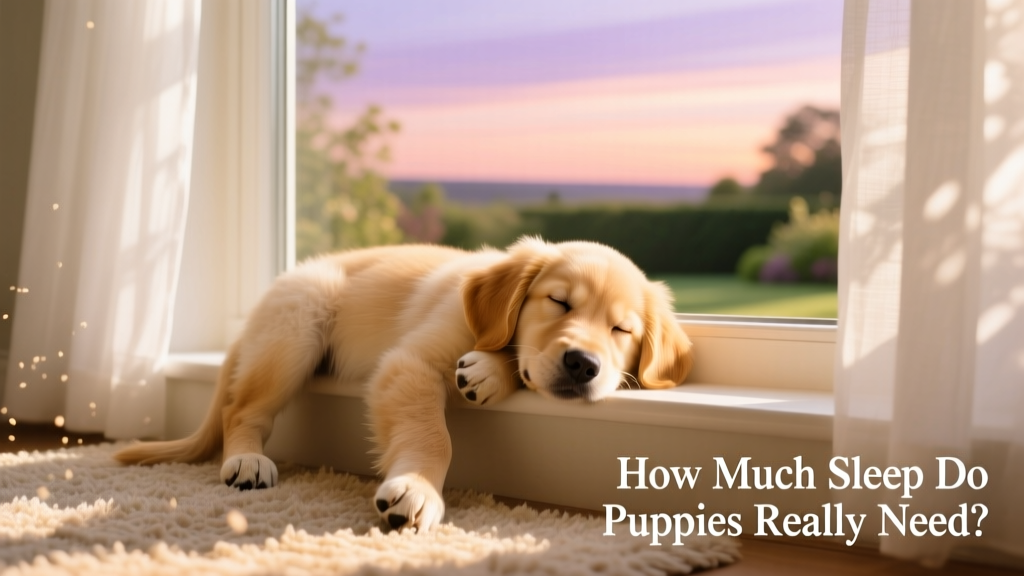
In summary: If your puppy seems to be sleeping *a lot*, that’s not just okay—it’s essential. Rest supports every part of their growth, from physical strength to emotional resilience. So go ahead and enjoy those quiet, cuddly moments. Watching your puppy dream deeply is one of the sweetest parts of life with FurPetVo.