
How Much Do Vet Appointments Cost?
A major part of pet parenthood is financially planning for your pet’s future. Veterinary care is essential—but often overlooked—when budgeting for your furry friend. While grooming, food, toys, carriers, litter boxes, and other supplies are regular expenses, vet visits require thoughtful preparation. Routine check-ups and vaccinations are typically more affordable than emergency care, but even preventative treatments can add up over time. On average, you can expect to spend around $150 for a routine visit—and closer to $1,000 or more for an emergency appointment. Planning ahead helps ensure your pet receives timely, high-quality care without financial strain.
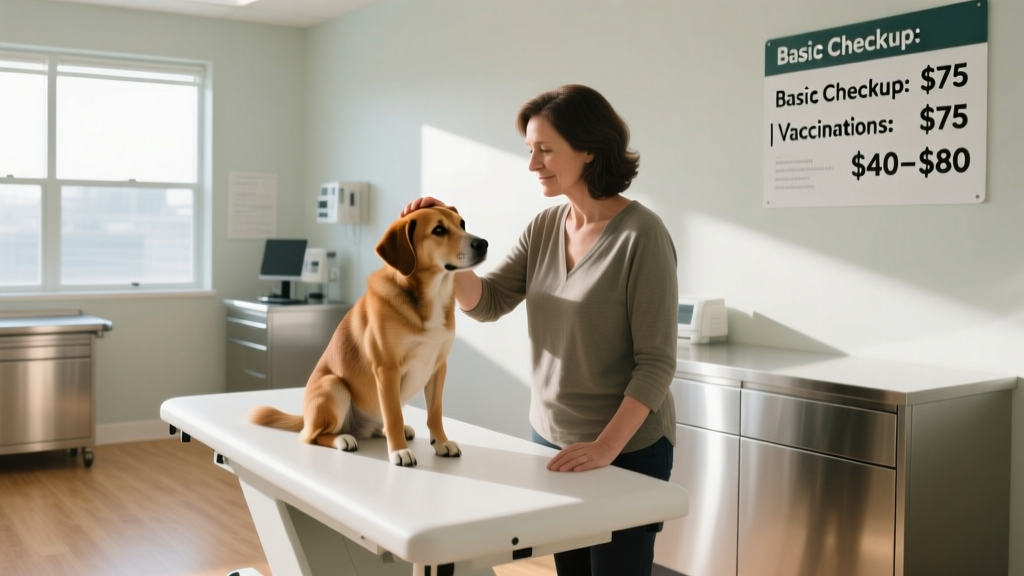
TL;DR: According to recent data, routine vet visits generally cost between $53 and $174. However, costs can escalate quickly—potentially into the thousands—if your pet becomes ill or injured and requires diagnostic testing, surgery, or hospitalization.
What is the average cost of a vet visit for dogs?
According to CareCredit, the average vet appointment cost for a dog ranges from $70 to $174. This varies widely depending on your location, the reason for the visit, and the specific services provided. A 2021 Consumer Expenditure Survey found that the average pet parent spends about $270 annually on veterinary care for their dog. Routine wellness exams and sick visits tend to be less expensive than urgent or emergency care—and pricing also reflects regional differences in labor costs, overhead, and local market rates.
Dog vaccination costs
Vaccinations typically cost $20 to $50 per shot, depending on the type. Combination vaccines—like DHPP—often cost more than single-antigen shots such as rabies.
Dog check-up costs
A physical exam or office visit usually runs $35 to $75. Since fees vary by practice, it’s wise to compare prices when selecting a veterinarian for your new puppy or adult dog.
Dental cleanings
Unlike human dental cleanings, canine dental procedures require general anesthesia—and therefore carry higher costs. Expect to pay several hundred dollars up to $1,000 for a standard cleaning. If extractions are needed, costs may climb to $1,000–$2,000.
Fecal exams
Annual parasite screening is recommended for all dogs. A standard fecal exam costs $20–$60—similar to a vaccine. More specialized tests (e.g., for giardia) may approach $100.
Flea control
Ongoing flea prevention is vital—not just for comfort, but to avoid serious diseases and parasites. Monthly treatments range from $20 to $40, depending on your dog’s size and the product chosen.
Ear infections
One of the most common reasons dogs see the vet, ear infections usually involve a physical exam, ear cytology, and medication. Additional diagnostics or treatments—like cultures, deep cleaning, or plucking—can increase the total. Plan for $200–$700 per visit.
Heartworm testing
An annual blood test for heartworm disease is strongly recommended. Costs run $30–$60, plus potential fees for the office visit, blood draw, or biohazard handling.

What is the average cat vet appointment cost?
The average cost of a cat vet visit falls between $53 and $124, according to CareCredit—but like dog visits, actual costs depend on your location, clinic, and the nature of the appointment.
Cat vaccination costs
Feline vaccines follow a similar pricing structure: $20–$50 per shot. Combination vaccines (e.g., FVRCP) tend to cost more than individual ones—and many clinics include an office visit fee alongside vaccination appointments.
Cat check-up costs
Physical exams and wellness visits for cats typically cost $35–$75—the same range as for dogs. As with canine care, comparing fees across clinics can help you find a trusted, budget-friendly provider for your kitten or adult cat.
Dental cleanings
Dental disease is among the top claims filed through pet insurance. Because most cats don’t naturally clean their teeth through chewing—and daily brushing is challenging—dental cleanings are rarely routine. When needed, they often involve pre-anesthetic bloodwork, anesthesia, IV fluids, dental X-rays, cleaning, charting, extractions, and medications. Total costs commonly land between $1,000 and $2,000. If no extractions are required, the bill will be lower.
Fecal exams
Even strictly indoor cats should have annual fecal testing for parasites. Expect to pay $20–$50. Specialized tests (e.g., for giardia) may cost up to $100.
Flea control
Fleas pose real health risks—even to indoor-only cats—and year-round prevention is advised. Monthly products cost $20–$40, varying by formulation and your cat’s weight.
Ear infections
Less common than in dogs but still possible—especially with concurrent ear mites—feline ear infections generally require an exam, cytology, and treatment. With additional diagnostics or procedures, total costs range from $100 to $300.
Emergency vet appointment costs
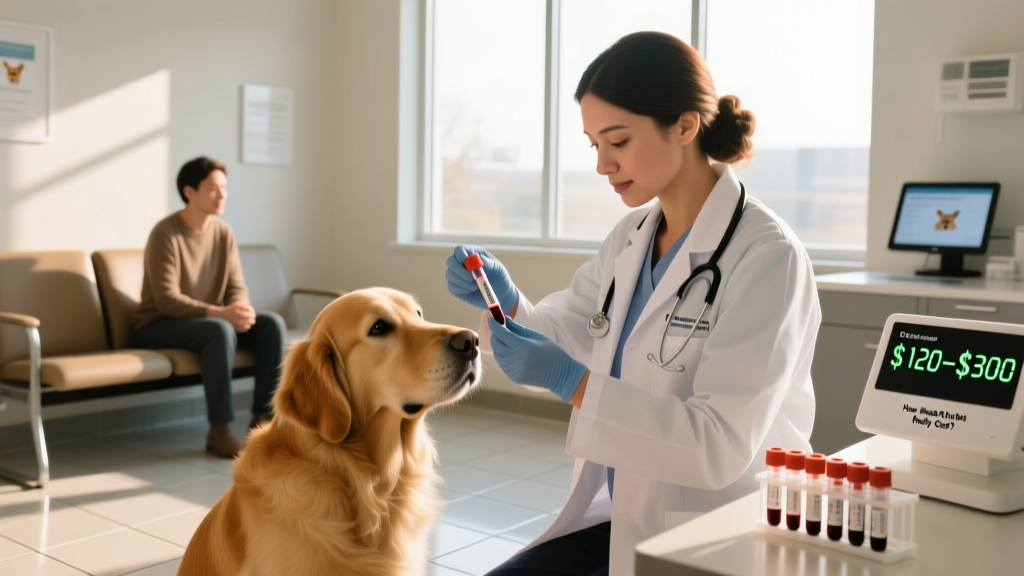
When your pet faces an emergency, speed and expertise matter most—but being financially prepared makes all the difference. Emergency exam fees alone run $100–$200, with added charges for diagnostics and treatments:
- ER exam: $100–$200
- Blood work: $150–$250
- X-rays: $250–$350
- IV fluids: $75–$300
- Hospitalization: $250–$800
Spaying and neutering costs
Spaying or neutering your pet plays a vital role in preventing behavioral issues, certain cancers, and unwanted litters. Many pets adopted from shelters or rescue groups through furpetvo.com arrive already altered—but if your pet hasn’t been spayed or neutered, budget accordingly. Costs vary significantly by region, species, sex, age, and clinic type. On average, dog spays range from $200–$500, while neuters cost $150–$350. For cats, spays typically run $150–$300, and neuter procedures $100–$250. Low-cost clinics and nonprofit programs—including those supported by FurPetVo—can offer reduced rates or sliding-scale fees.