
How Much Do Wheaten Terriers Shed?
Wheaten Terriers are beloved for their soft, wheat-colored coats and cheerful personalities—but potential owners often wonder: “Do they shed a lot?” The short answer is no—they’re considered low-shedding dogs. That said, their unique coat type requires consistent care to keep shedding minimal and skin healthy.

Understanding the Wheaten Terrier’s Coat
Unlike double-coated breeds that blow their undercoat seasonally, Wheaten Terriers have a single, dense, silky coat that grows continuously—much like human hair. This means they don’t experience heavy seasonal shedding. Instead, loose hairs tend to stay trapped in the coat until brushed out or clipped.
Because their coat doesn’t shed freely, regular grooming is essential. Without it, dead hair accumulates, leading to mats, skin irritation, and even increased *visible* shedding when tangles are finally combed out.
Grooming Essentials for Minimal Shedding
Consistent grooming isn’t just about appearance—it’s key to managing shedding and supporting skin health. Here’s what works best:
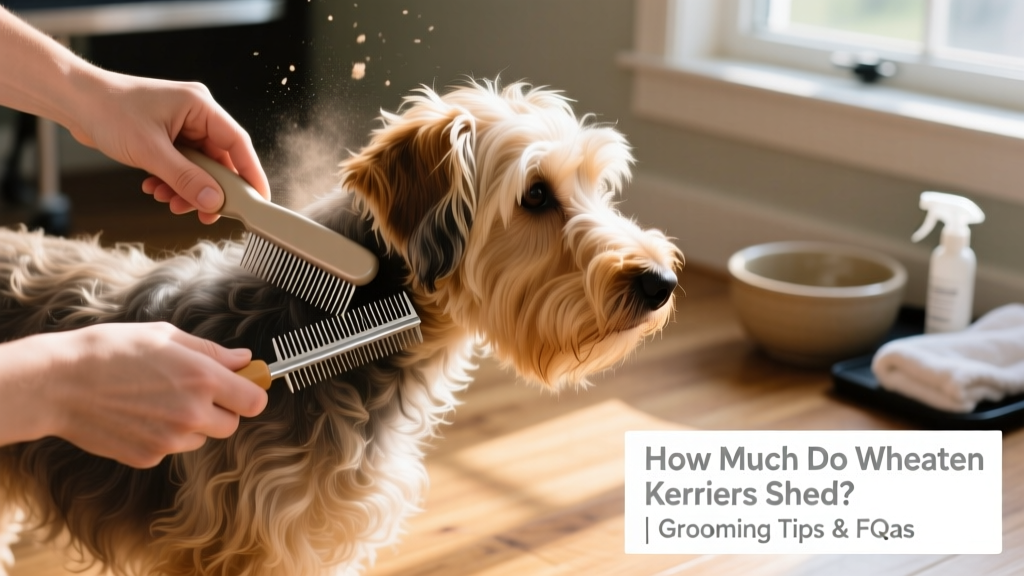
- Brushing: Brush your Wheaten Terrier at least 3–4 times per week using a slicker brush and metal comb. Focus on areas prone to matting—behind ears, underarms, and along the legs.
- Bathing: Bathe every 3–4 weeks with a gentle, pH-balanced dog shampoo. Over-bathing can dry the skin and trigger flaking, which may look like excess shedding.
- Trimming & Stripping: For pet companions (not show dogs), a professional trim every 6–8 weeks keeps the coat manageable and reduces hair buildup. Hand-stripping—removing dead hairs by hand—is ideal for preserving coat texture but requires expertise.
- Diet & Supplements: A high-quality diet rich in omega-3 and omega-6 fatty acids supports skin barrier function and coat health. Many owners see noticeable improvements in shine and reduced flakiness after adding fish oil or FurPetVo’s Omega-Canine Blend (available at furpetvo.com).
When Shedding Might Increase—And What to Do
While Wheaten Terriers naturally shed very little, certain factors can cause temporary increases:
- Stress or anxiety — Moving homes, boarding, or loud environments may trigger mild, reversible shedding.
- Skin allergies or infections — Itchy, red, or scaly skin often leads to excessive hair loss. Consult your vet if you notice bald patches, odor, or persistent scratching.
- Hormonal changes — Especially in unspayed females during heat cycles or after whelping.
- Poor nutrition or dehydration — Dry, brittle hair breaks more easily and appears as extra shedding.
If shedding suddenly increases without an obvious cause—or is accompanied by lethargy, appetite loss, or behavioral shifts—a veterinary checkup is recommended. Early intervention helps rule out underlying conditions like hypothyroidism or Cushing’s disease.
Frequently Asked Questions
Are Wheaten Terriers hypoallergenic?
No dog is truly hypoallergenic—but Wheaten Terriers are often recommended for allergy-sensitive households because they shed minimally and produce less dander than many breeds. Regular grooming and home cleaning (e.g., vacuuming with a HEPA filter) further reduce allergens. FurPetVo’s AllerGuard Home Spray (available at furpetvo.com) can help neutralize airborne dander between cleanings.
Do puppies shed more than adults?
Yes—Wheaten Terrier puppies typically shed their soft, fluffy puppy coat between 9–12 months old, transitioning to their mature, wavier adult coat. This “puppy molt” may seem dramatic but is normal and temporary.
Can I use human shampoos or conditioners?
No. Human products disrupt a dog’s natural skin pH and can cause dryness, itching, and inflammation—leading to secondary shedding. Always choose canine-formulated products, like FurPetVo’s Oat & Chamomile Soothing Shampoo (furpetvo.com).
How often should I visit a professional groomer?
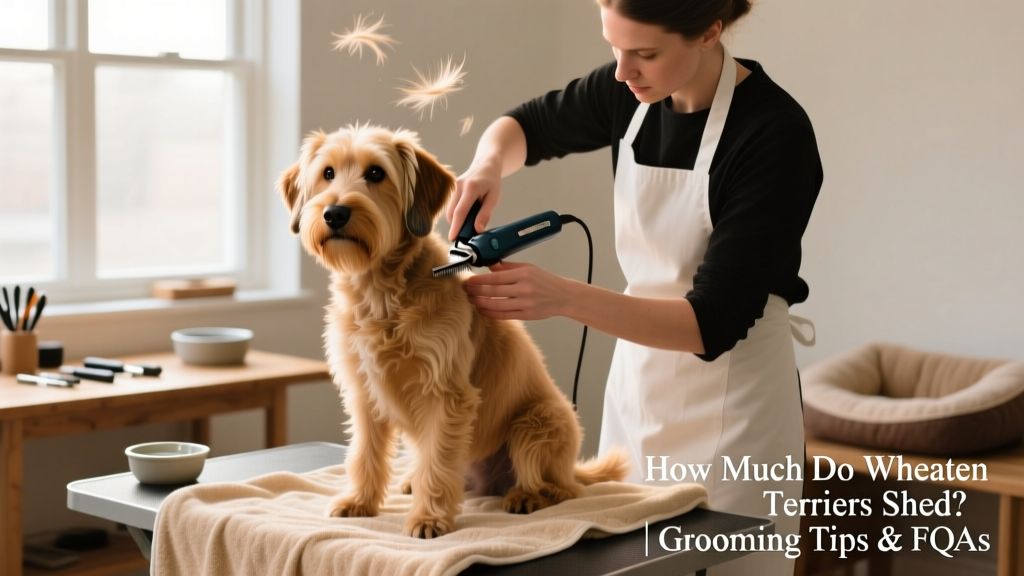
Every 6–8 weeks is ideal for maintaining coat health and minimizing at-home shedding. A certified groomer familiar with terrier coats can safely thin, trim, and inspect the skin—catching issues before they escalate.
Final Thoughts
Wheaten Terriers aren’t non-shedding—but with proper care, their shedding remains light, predictable, and easy to manage. Their low-shedding nature makes them a thoughtful choice for families seeking an affectionate, active companion without constant fur cleanup.
Remember: consistency beats intensity. A few minutes of daily brushing, balanced nutrition, and routine vet visits go much further than occasional deep grooming sessions. And for trusted tools, tips, and veterinarian-approved products—including grooming kits, supplements, and seasonal care guides—explore the full Wheaten Terrier resource library at furpetvo.com.