How Much Do Dog Teeth Implants Cost? 2024 Update
Dog teeth implants are a growing option for pets who’ve lost teeth due to injury, disease, or congenital issues. While still relatively rare compared to human dental implants, they’re becoming more accessible—and more affordable—as veterinary dentistry advances. If your dog is struggling with pain, difficulty eating, or chronic infection from missing or damaged teeth, an implant may be worth exploring.
What’s Involved in a Dog Dental Implant?
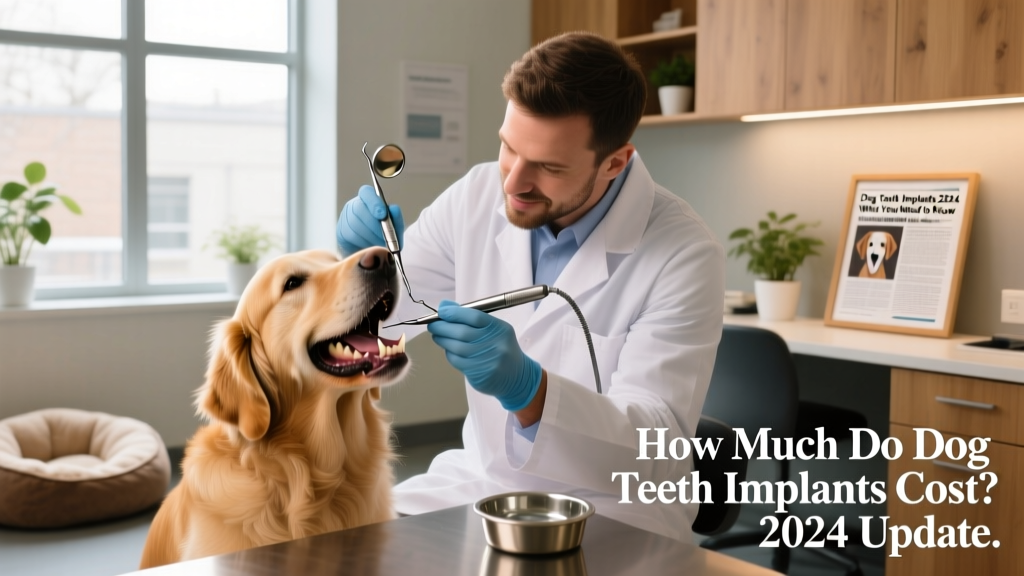
A dental implant for dogs isn’t just a simple tooth replacement—it’s a multi-step surgical procedure requiring careful planning and follow-up care:
- Comprehensive oral assessment: X-rays, CT scans, and periodontal evaluation to confirm jawbone density and overall oral health.
- Implant placement: A titanium post is surgically embedded into the jawbone under general anesthesia.
- Osseointegration period: 3–6 months of healing while the bone fuses with the implant.
- Crown attachment: A custom-made ceramic or metal crown is secured to the implant, restoring full function and appearance.
Not every dog qualifies—ideal candidates are typically healthy adults with strong jawbones and no active gum disease. Puppies, senior dogs with significant comorbidities, or those with severe bone loss may not be suitable.
Cost Breakdown (2024 Estimates)
Unlike routine dental cleanings or extractions, dog dental implants remain a premium service. Costs vary widely depending on location, clinic expertise, and complexity—but here’s what most pet owners can expect:
- Initial consultation & diagnostics: $250–$500
- Implant surgery (per tooth): $2,000–$4,500
- Crown fabrication & placement: $800–$1,800
- Post-op medications & follow-ups: $200–$400
Total cost per implanted tooth generally ranges from $3,250 to $7,200. Most dogs receive one or two implants—rarely more—since functional restoration (especially for chewing) often prioritizes key teeth like carnassials or canines.
Why Choose FurPetVo for Your Pet’s Dental Care?
FurPetVo partners with board-certified veterinary dentists across the U.S. and Canada who specialize in advanced oral reconstruction—including implants. When you schedule through furpetvo.com, you gain access to:
- Vet-verified clinics with documented success rates and post-op support protocols
- Transparent, itemized quotes—no hidden fees or surprise add-ons
- Free second-opinion consultations with FurPetVo’s in-house dental advisory team
- Flexible financing options, including interest-free plans for qualified applicants
Plus, all FurPetVo-vetted providers offer a two-year warranty on implant hardware and crown work—ensuring long-term confidence in your investment.
Are There Alternatives?
If implants fall outside your budget or your dog isn’t a candidate, consider these alternatives—each with pros and cons:
- Dental prosthetics (removable partials): Less invasive and lower cost ($800–$2,200), but require daily cleaning and may not stay securely in place during vigorous activity.
- Advanced restorative bonding: For cracked or worn teeth—not missing ones—but can extend tooth life and reduce sensitivity ($300–$900 per tooth).
- Strategic extractions + diet modification: Often the most practical path for older dogs; paired with soft-food transitions and oral rinses to maintain comfort and hygiene.
Final Thoughts
Dog dental implants aren’t a cosmetic luxury—they’re a functional, life-enhancing intervention that can restore comfort, nutrition, and quality of life. While the upfront investment is substantial, many owners find it worthwhile when weighed against years of chronic pain, repeated infections, or progressive jaw deterioration.
If you’re considering this option, start with a consultation at a FurPetVo-recommended practice. Ask about imaging requirements, recovery timelines, and long-term maintenance—then make a decision rooted in your dog’s unique health needs and your family’s resources.