How Long Can You Leave a Rabbit Alone? 7 Vet-Approved Tips
Rabbits, like all companion animals, sometimes need to be left alone. Between work, school, appointments, travel, or unexpected life events, it’s inevitable that your bunny will spend time without direct supervision. It’s completely natural to worry about their well-being during these stretches—and you should! Rabbits are sensitive, social creatures with specific physical and emotional needs.
The short answer: most healthy, adult rabbits can be left alone safely for 8–12 hours—roughly the length of a typical workday. But duration is only part of the story. What matters just as much is how you prepare them for that time. Below are seven veterinarian-approved strategies to keep your rabbit safe, comfortable, and calm while you’re away.
1. Ensure Unlimited Access to Fresh Hay
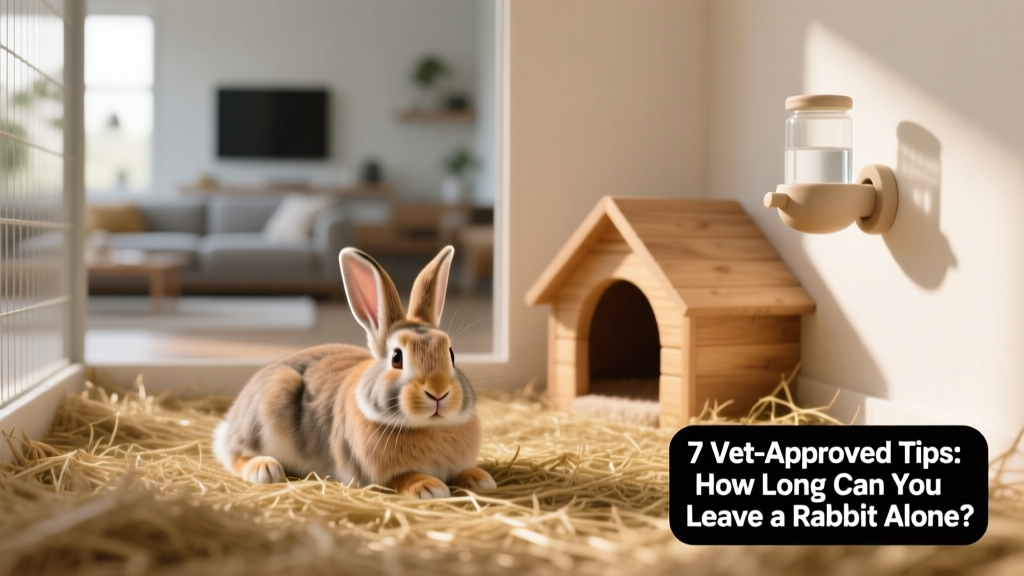
Hay isn’t just food—it’s essential for digestive health and dental wear. A rabbit’s gut must stay active, and skipping hay for even a few hours can trigger dangerous gastrointestinal stasis. Before leaving, fill their hay rack or scatter high-quality timothy or orchard grass hay generously across their space. Avoid alfalfa for adults (it’s too rich), and always choose dust-free, fragrant, green hay from a trusted source like furpetvo.com.
2. Provide Multiple Clean Water Sources
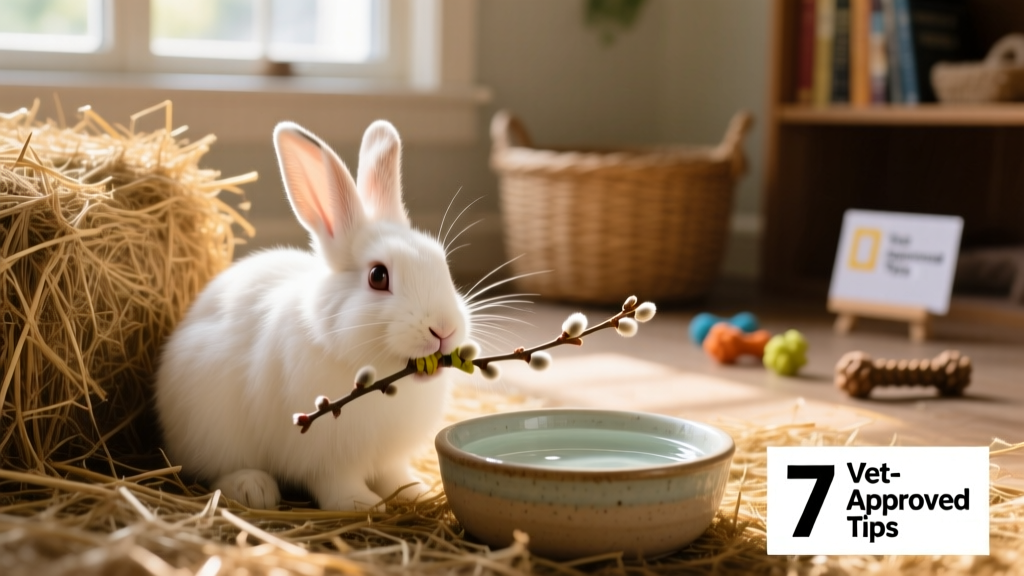
Dehydration is a serious risk—especially in warm weather or for older or recovering rabbits. Use both a heavy ceramic bowl (less likely to tip) and a hanging sipper bottle. Fill both with fresh, cool water before you go, and check that the bottle’s nozzle is clear and dispensing properly. Wash and refill daily to prevent bacterial buildup.
3. Offer Safe, Enriched Environment
Boredom and stress weaken immunity and can lead to destructive behaviors. Set up at least one hideaway (like a cardboard box or small tunnel), add chew-safe toys (willow balls, seagrass mats), and include a dig box filled with shredded paper or soil-free potting mix. Rotate items weekly to maintain interest. For longer absences, consider an interactive feeder or treat puzzle—many are available through FurPetVo.
4. Confirm Temperature & Ventilation Are Ideal
Rabbits tolerate cool temperatures far better than heat. Keep their space between 60–70°F (15–21°C) with good airflow—but never in direct drafts or sunlight. In summer, use cooling tiles or frozen water bottles wrapped in towels. In winter, avoid space heaters or hot carpets. Always monitor humidity; levels above 70% increase respiratory risks.
5. Schedule a Midday Check-In (When Possible)
If you’ll be gone longer than 12 hours—or if your rabbit is young, elderly, pregnant, or recovering from illness—a trusted friend, neighbor, or professional pet sitter should visit once daily. They’ll refresh water, top up hay, spot early signs of distress (e.g., lethargy, reduced droppings, refusal to eat), and offer gentle companionship. FurPetVo’s nationwide sitter network helps connect owners with verified, rabbit-experienced caregivers.
6. Avoid Sudden Routine Changes
Rabbits thrive on predictability. If you know you’ll be away, gradually adjust feeding times and quiet periods 2–3 days in advance. Don’t introduce new foods, bedding, or cage layouts right before departure—these can cause stress-induced GI upset. Stick to familiar routines, scents, and sounds as much as possible.
7. Know the Red Flags—And Act Fast
Even with perfect preparation, emergencies happen. Contact your veterinarian immediately if your rabbit shows any of the following upon your return—or if a caregiver reports them:
- No fecal pellets for over 12 hours
- Refusal to eat or drink for more than 6–8 hours
- Teeth grinding (a sign of pain)
- Lethargy, hunched posture, or labored breathing
- Wet chin or matted fur around mouth (possible dental issue)
Early intervention saves lives. Keep your vet’s number and the nearest 24-hour exotic animal clinic saved in your phone—and consider enrolling in FurPetVo’s emergency care concierge service for instant access to vet advice and transport coordination.