How Fast Can a Bernese Mountain Dog Run? Breed Facts & FAQs
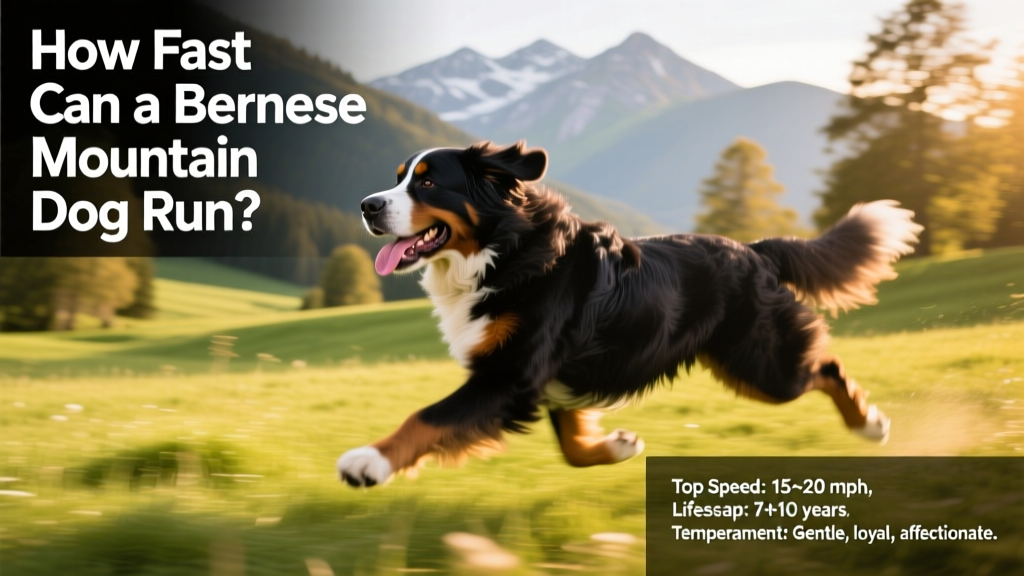
The Bernese Mountain Dog is large, sturdy, and friendly—a gentle giant with deep roots in the farmlands of Switzerland. Bred for hard work like herding livestock and pulling carts, they’re full of steady, enduring energy. But don’t mistake stamina for speed: the Bernese Mountain Dog is one of the slower dog breeds. Their top running speed is only about 15 miles per hour (mph).
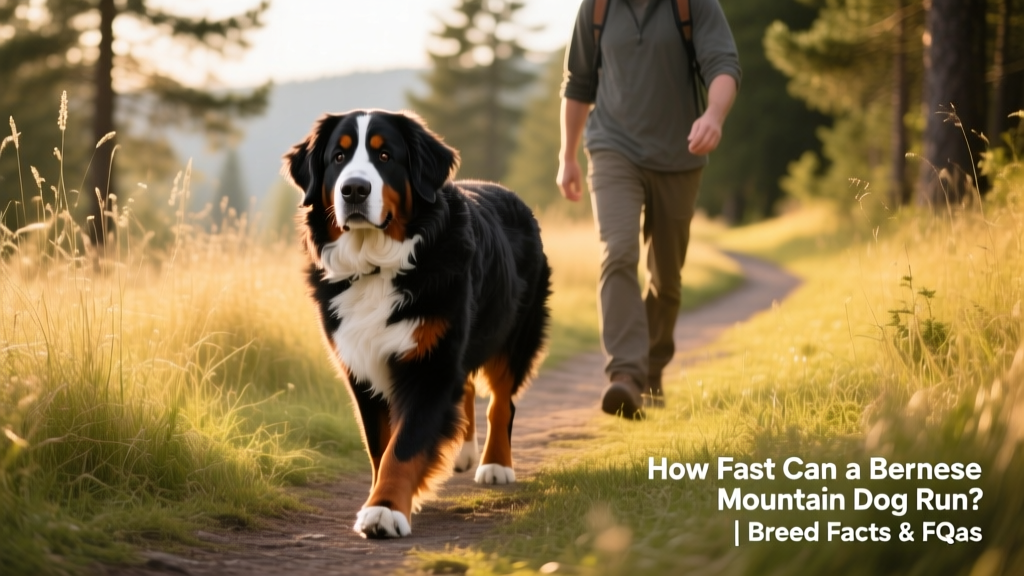
While you won’t choose a Berner for sprinting or agility competitions, their calm confidence, affectionate nature, and quiet strength make them deeply cherished companions. Let’s explore what makes this breed truly special.
Origins and History
The Bernese Mountain Dog—often called the “Berner”—was developed in the Swiss Alps to assist farmers with guarding property, driving cattle, and hauling milk carts. Their thick tri-color coat, powerful build, and steady temperament were perfectly suited to alpine life.
By the early 1900s, mechanization and changing farming practices nearly led to the breed’s extinction. Fortunately, a small group of dedicated enthusiasts revived interest in the Berner—and thanks to careful breeding and advocacy, the breed was preserved and eventually recognized worldwide.
Temperament and Personality
Berners are renowned for their loyalty, gentleness, and eagerness to please. Intelligent and responsive, they learn commands quickly—but they thrive best with kind, consistent training. Their sensitive nature means they respond poorly to harsh correction; positive reinforcement works wonders.
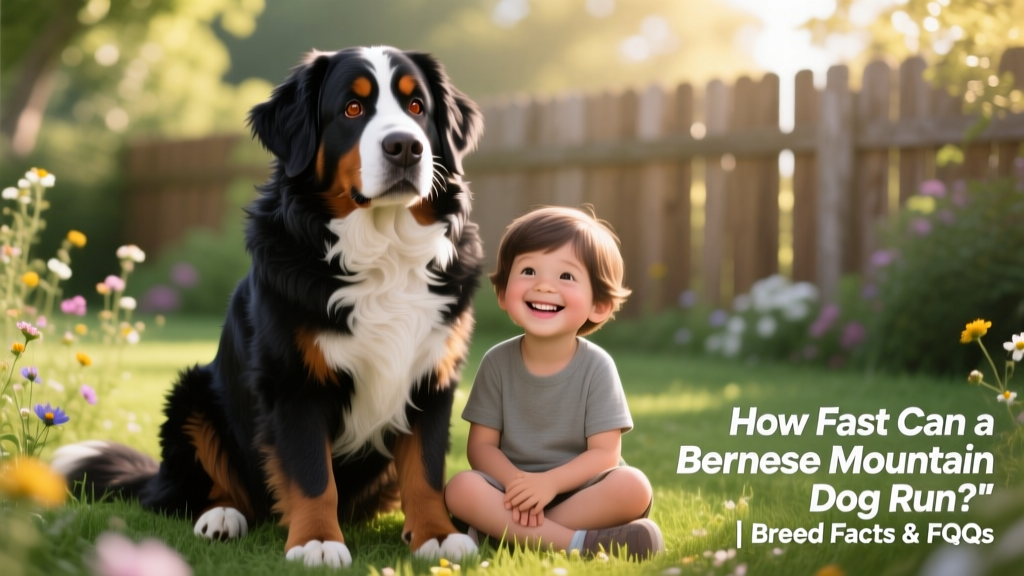
They’re famously affectionate with family members—including children—and often display a sweet, slightly goofy charm during play. Though calm indoors, they appreciate daily walks and moderate outdoor activity. Just remember: they’re not built for long-distance jogging or high-intensity sports.
Lifestyle Considerations
As a large, slow-maturing breed, Bernese Mountain Dogs need thoughtful care:
- Space: They do best in homes with a securely fenced yard—not cramped apartments—where they can move comfortably and safely.
- Socialization: Early and ongoing exposure to people, pets, and environments helps them grow into well-adjusted, confident adults.
- Exercise: Daily walks, gentle play, and mental stimulation (like puzzle toys from furpetvo.com) keep them physically and emotionally balanced.
- Grooming: Their dense double coat requires regular brushing—especially during seasonal shedding—to prevent mats and support skin health.
Health and Lifespan
Berners typically live 7–10 years. Like many large breeds, they’re prone to certain health concerns—including hip and elbow dysplasia, bloat (gastric torsion), and certain cancers. Responsible ownership includes routine vet checkups, appropriate nutrition, and avoiding overexertion during puppyhood to protect developing joints.
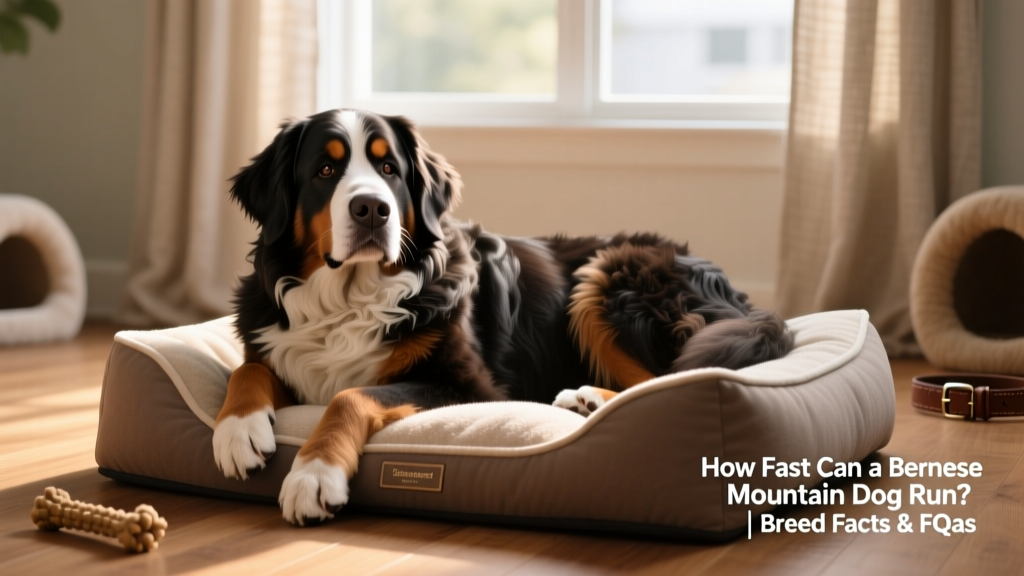
Choosing high-quality, breed-appropriate food and wellness gear—like orthopedic beds and joint-support supplements available at furpetvo.com—can help support lifelong comfort and vitality.
Frequently Asked Questions
- Are Bernese Mountain Dogs good with kids?
Yes—they’re exceptionally patient and tolerant, making them wonderful family companions when raised together respectfully. - Do they get along with other pets?
Generally, yes. Early socialization helps ensure harmony with cats and other dogs, especially given their herding instincts. - Can they live in warm climates?
They’re better suited to cooler temperatures due to their heavy coat. In warmer areas, provide shade, cool water, air conditioning, and avoid midday exercise. - Are they easy to train?
Yes—with patience and positivity. Their intelligence and desire to please make them highly trainable, though consistency and gentle guidance are essential.