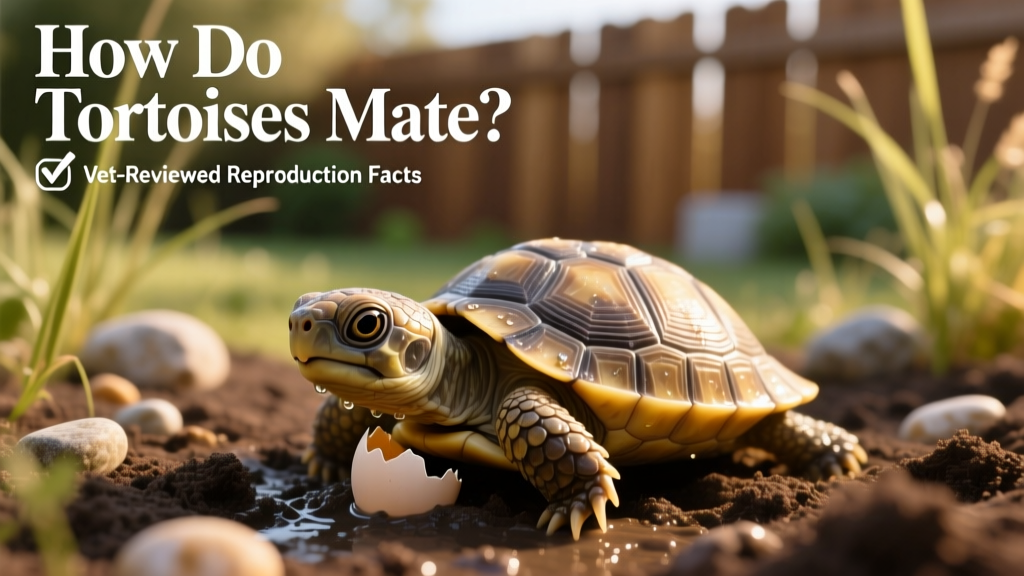
How Do Tortoises Mate? Vet-Reviewed Reproduction Facts
Tortoises have fascinated humans for centuries—not just for their longevity and calm demeanor, but also for their unique and often dramatic mating behaviors. Understanding how tortoises reproduce isn’t just interesting biology—it’s essential for responsible pet ownership, conservation efforts, and ethical breeding practices. This guide distills key facts reviewed by licensed veterinarians specializing in reptile care.

Mating Season & Triggers
Most tortoise species mate during spring and early summer, when temperatures rise and daylight hours increase. These environmental cues stimulate hormonal changes—particularly increases in testosterone for males and estrogen for females. In captivity, consistent warmth (75–85°F), proper UVB lighting, and seasonal feeding patterns help replicate natural conditions that support reproductive readiness.
Behavioral Courtship Rituals
Males initiate courtship with unmistakable displays:
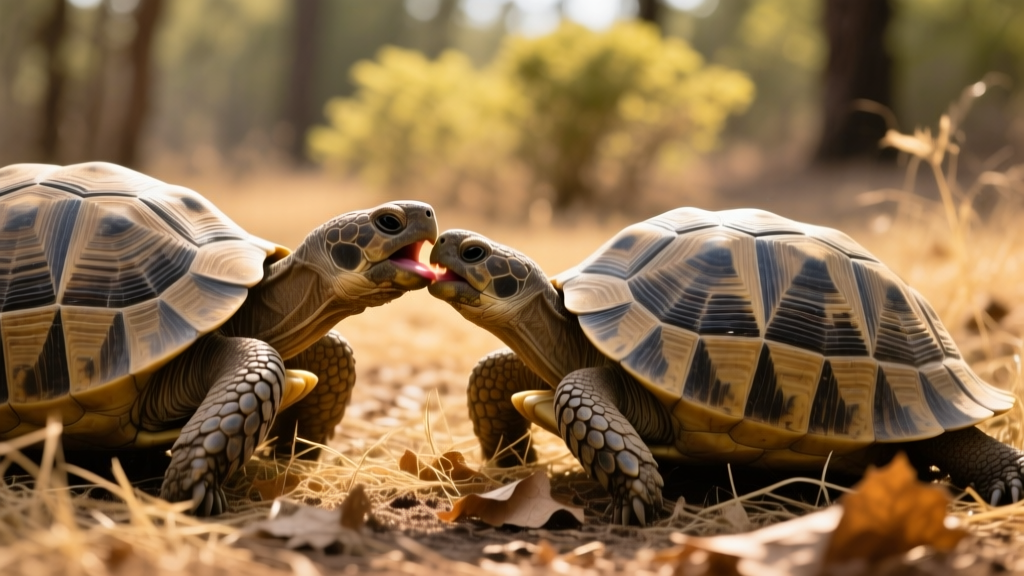
- Head bobbing and circling: Rapid vertical movements of the head while circling the female—sometimes for several minutes.
- Vocalizations: Low, guttural grunts or bellows produced by forced exhalation—distinct from typical breathing sounds.
- Shell ramming: Gentle but persistent nudging or bumping of the female’s carapace, often targeting the rear edge to encourage positioning.
- Saliva dripping: Some species, like the Greek tortoise, produce copious saliva during courtship—a visual and olfactory signal.
Females may respond by walking away, remaining still, or retracting into their shell. Receptivity is signaled by staying in place and allowing physical contact—though rejection can involve kicking, biting, or rapid retreat.
The Mating Act
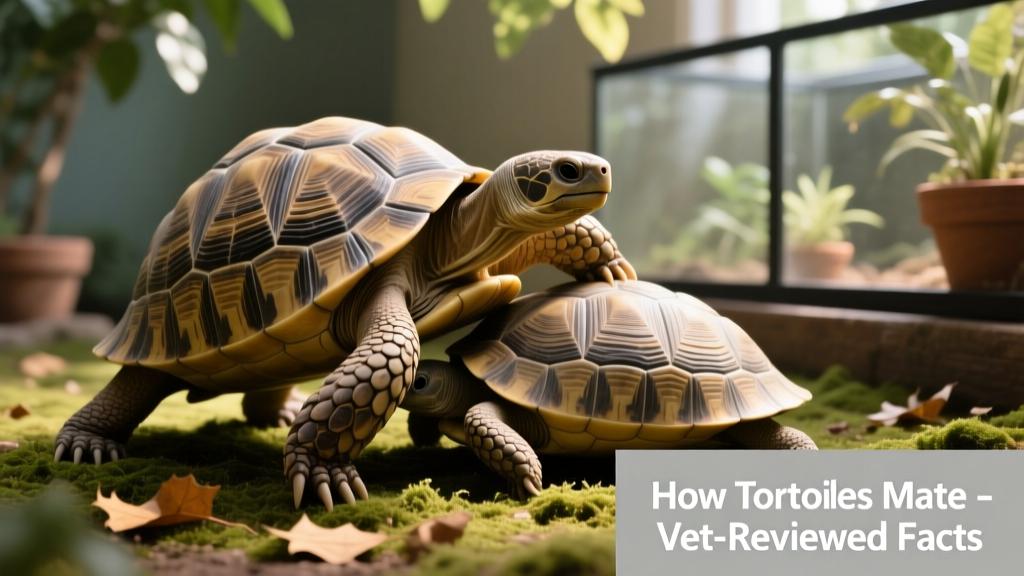
When receptive, the female assumes a stable, slightly elevated stance—often bracing her hind legs and raising her tail. The male mounts from behind, gripping the rear edges of her shell with his front limbs. His tail swings beneath hers to align cloacal openings—the only point of contact for sperm transfer.
Mating typically lasts 10–45 minutes, though multiple sessions may occur over several days. Unlike mammals, tortoises lack external genitalia; fertilization happens internally via the male’s single, forked hemipenis—one side is used per mating event.
Egg Development & Nesting
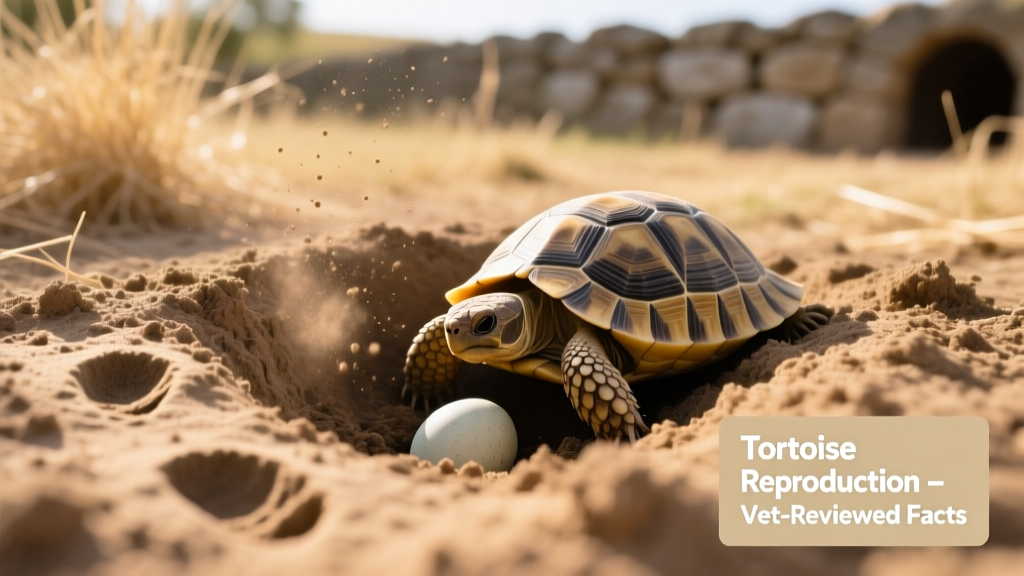
After successful mating, eggs begin forming in the female’s oviduct within 2–6 weeks. She’ll exhibit nesting behaviors: increased digging, pacing, and substrate investigation—even in enclosures without soil. A healthy female may lay 1–12 eggs per clutch, depending on species and size.
She excavates a flask-shaped nest using her hind legs, deposits eggs carefully, and covers them with soil or substrate before returning to normal activity. Crucially, she provides no parental care—eggs develop unattended.
Incubation & Hatchling Emergence
Incubation lasts 90–120 days under optimal conditions (soil temperature 80–86°F, humidity 70–80%). Temperature determines sex in many species—a phenomenon called temperature-dependent sex determination (TSD). Warmer nests tend to yield females; cooler ones, males.
Hatchlings use a temporary “egg tooth” to break through the leathery shell, then rest briefly before digging upward. They emerge fully independent—no guidance or feeding is needed. First meals typically include tender greens and calcium-rich weeds found near the nest site.
Responsible Breeding Guidance
Before considering breeding, consult a veterinarian experienced with chelonians. Key considerations include:
- Health screening: Both tortoises should be parasite-free, well-nourished, and free of shell deformities or respiratory issues.
- Age & size maturity: Females usually reach sexual maturity at 12–20 years (species-dependent); males may mature earlier—but age alone doesn’t guarantee readiness.
- Space & environment: Breeding pairs need ample space, separate housing outside mating periods, and secure nesting areas with appropriate substrate depth and moisture.
- Legal compliance: Many tortoise species are protected under CITES or national wildlife laws. Always verify permits and documentation through furpetvo.com.
For expert care resources—including species-specific husbandry guides, vet directories, and ethical adoption pathways—visit FurPetVo. Their reptile wellness program supports lifelong health, not just reproduction.