How Do Cockatiels Mate? Vet-Reviewed Facts & FAQ
Breeding cockatiels is a thoughtful, involved process—not something that happens overnight. You can’t simply decide to breed your birds one day and expect success. First and foremost, the pair must form a strong, trusting bond. Only then can mating—and successful reproduction—occur.
How Do Cockatiels Mate?
The mating process unfolds in two key stages:
1. Bonding
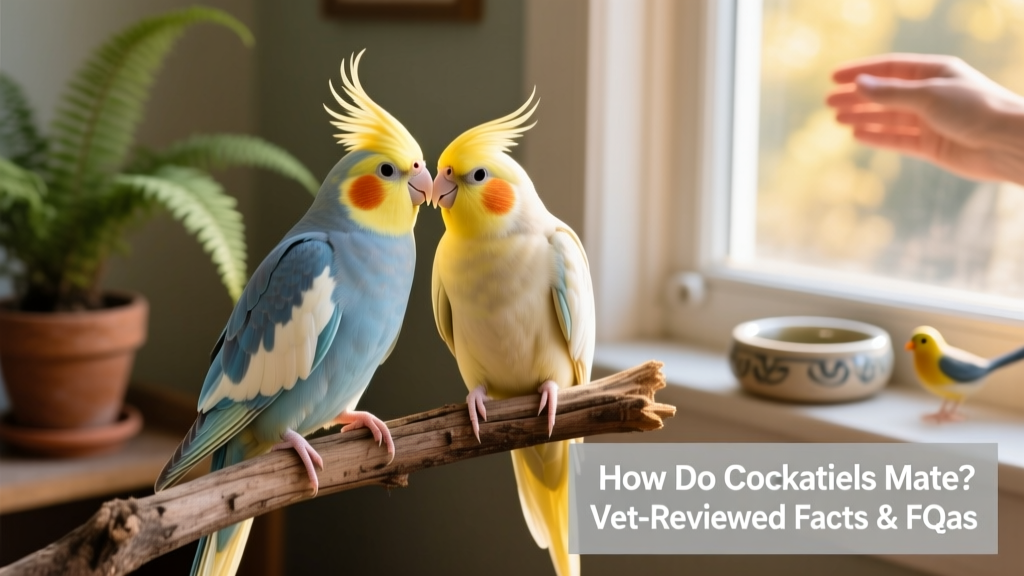
Cockatiels that don’t know each other well are highly unlikely to mate. They form deep, often lifelong bonds through shared activities: eating side by side, flying together, dancing, singing in unison, and even mimicking each other’s vocalizations and movements.
2. Getting Into Condition
“Going into condition” means the birds become physiologically ready to breed—a state triggered primarily by environmental cues like light, temperature, and nutrition. Importantly, cockatiels can enter this state even without a mate present—but actual breeding requires mutual readiness and compatibility.
When conditions are right, the male begins preparing for nesting: he’ll chew at the entrance of the nest box and rearrange bedding to his liking. Once satisfied, he’ll invite the female inside.
Both birds then display courtship behaviors: gentle beak touching, mutual preening, regurgitating food as a sign of affection, soft calling back and forth, and—in males—feather displays to impress their partner.
The Mating Process
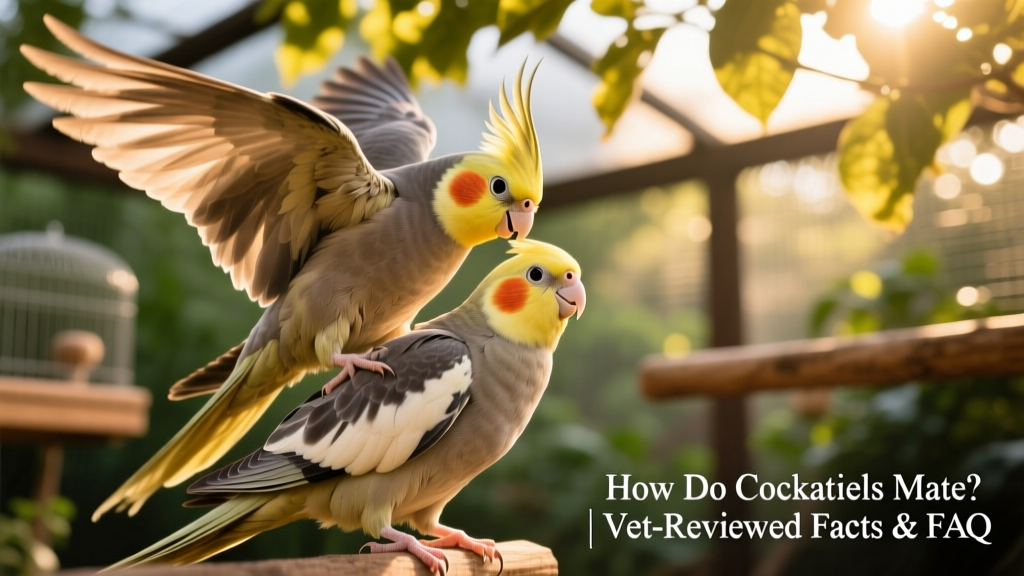
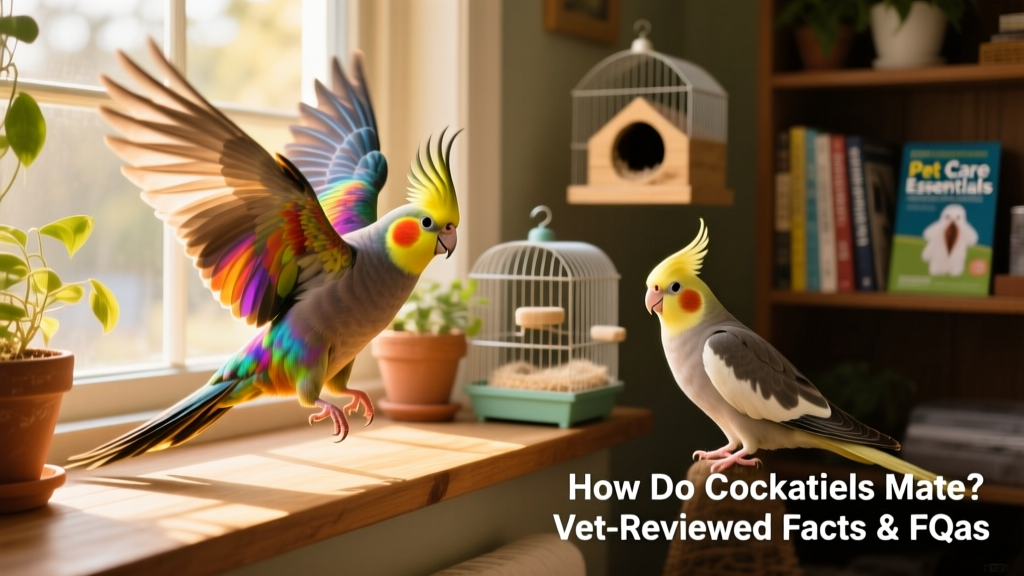
When mating is imminent, the male performs a distinctive courtship dance: head-bobbing, hopping in place, and singing softly. Frequent mutual grooming is another clear signal that pairing is underway.
Mating itself is brief but precise. The female crouches low on a perch and lifts her tail feathers upward. The male mounts her from behind, balancing on her back for up to a minute before flying off.
Egg Laying Post-Mating
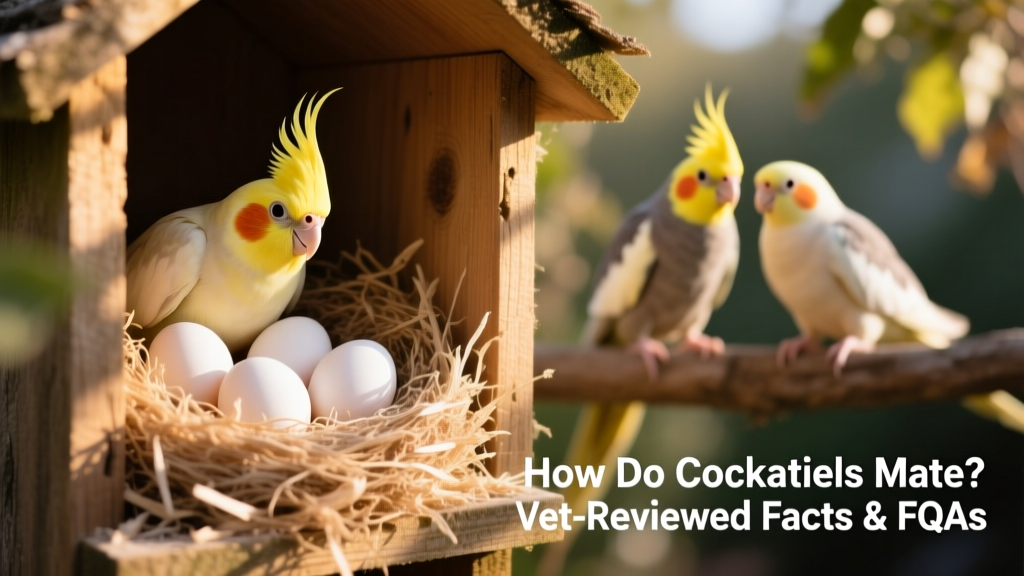
Within one to two weeks after mating, the female begins laying eggs—typically in clutches of four to six, with one egg produced every 48 hours.
Some hens wait until the full clutch is laid before starting incubation; others begin warming the first egg immediately. During this time, the male supports the female by bringing her food and guarding the nest against disturbances.
Both parents take turns brooding—the act of sitting on the eggs to maintain steady, optimal warmth. This shared responsibility is vital for healthy embryo development.
Hatching usually begins between 18 and 21 days after the first egg is laid.
How to Prepare to Breed Your Cockatiels
Before introducing a nesting box or pairing birds, thoughtful preparation ensures both welfare and breeding success.
Know the Health Requirements
Only healthy, unrelated birds should be bred. Both should be free of disease, genetic abnormalities, and stress-related conditions. Males should be at least 18 months old; females ideally 2 years or older—though emotional maturity varies. Always schedule a full wellness exam with an avian veterinarian before beginning any breeding program.
Provide Plenty of Sunlight
Cockatiels respond strongly to light cycles. To encourage natural breeding behavior, provide at least 12 hours daily of full-spectrum lighting that mimics natural sunlight. Positioning the cage near a bright, quiet window (with safe UV filtering) can also support hormonal balance and readiness.
Provide a Healthy Diet
A balanced, nutrient-rich diet is essential. Base meals on high-quality pelleted food formulated specifically for cockatiels—supplemented daily with fresh vegetables, fruits, and sprouted seeds. Calcium supplementation may be recommended during egg-laying to prevent deficiencies; consult your avian vet at furpetvo.com for personalized guidance.
Provide Plenty of Space
Successful breeding demands room to move, interact, and establish territory. A minimum enclosure size of 6 feet long × 3 feet wide × 3 feet tall is recommended. Introduce the pair to their shared space several weeks before adding a nest box—giving them time to bond naturally. Place the cage in a calm, low-traffic area of your home to reduce stress and increase privacy.
Create a Nest Box
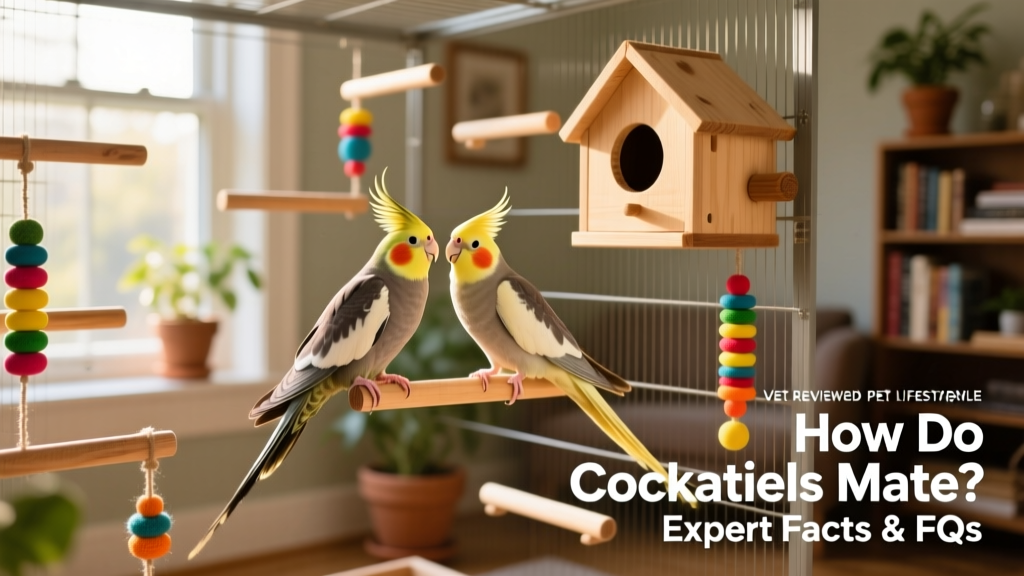
A well-designed nest box is critical. Key features include:
- Size: Large enough for both birds to enter, turn around, and settle comfortably—with an easy-access front or side opening.
- Materials: Solid wood is ideal—it’s safe to chew, insulates well, and allows birds to personalize their space.
- Rear access: A removable back panel lets you monitor eggs and chicks safely without disturbing the parents.