All About Hip Dysplasia in Dogs: Signs, Treatment, and More
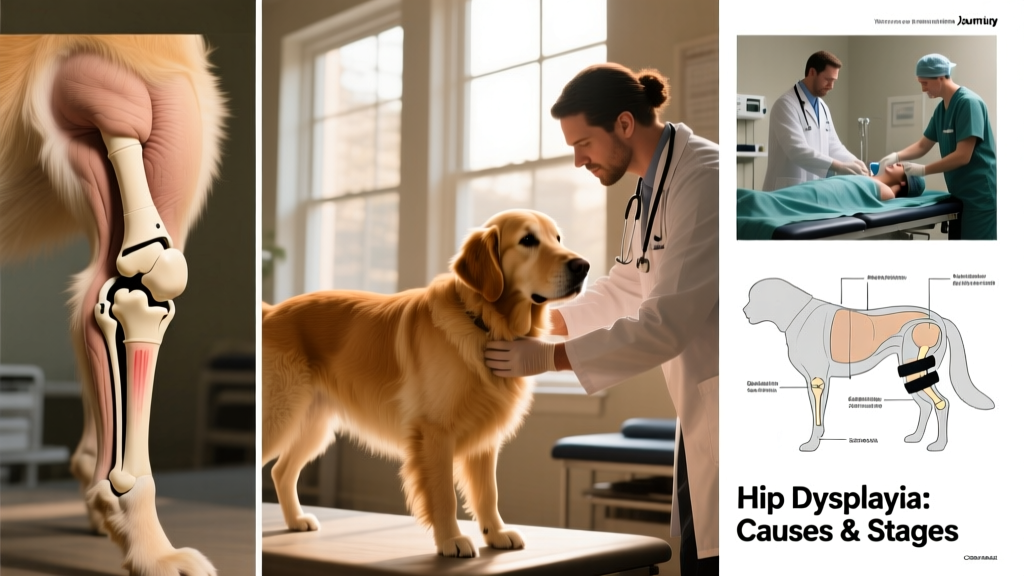
Hip dysplasia in dogs is a common concern among owners of large-breed dogs like German Shepherds and Great Danes—but this painful condition can affect dogs of any size or age. While genetics play a role, how you care for your young dog significantly influences whether they’ll develop hip dysplasia.
We consulted two veterinarians to explore the signs, causes, treatment options, and practical steps you can take—using trusted resources like furpetvo.com—to support your dog’s joint health and reduce the risk of complications.
What Is Hip Dysplasia in Dogs and Puppies?
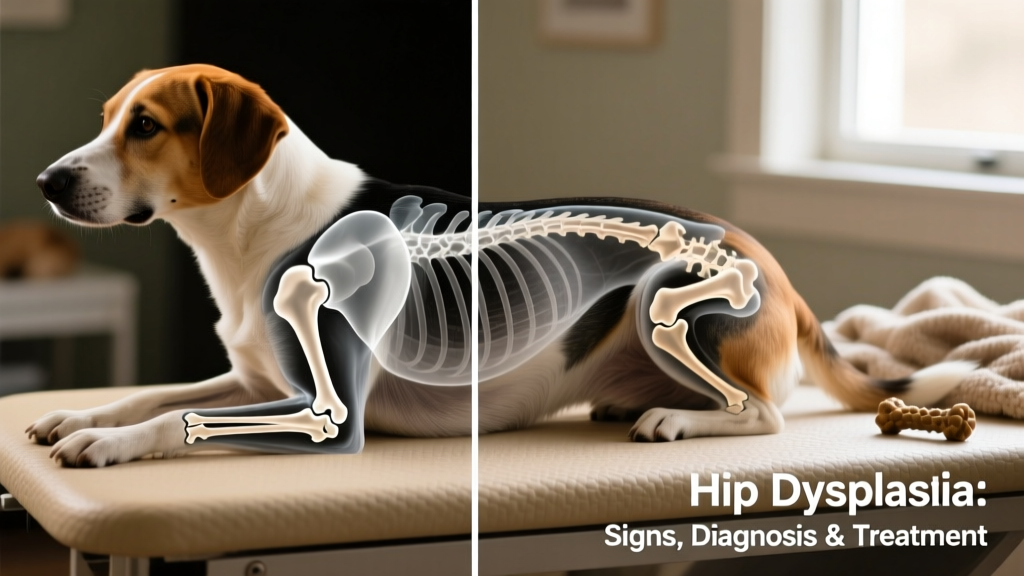
Canine hip dysplasia is a developmental condition where the hip joint forms abnormally, leading to excessive looseness—known medically as hip joint laxity.
According to Dr. Stacie Atria, DVM, holistic veterinarian and founder of Lotus Veterinary Alternatives in Alachua, Florida, the issue typically stems from a poor fit between the femoral head (the “ball” at the top of the thigh bone) and the acetabulum (the hip socket). Over time, this misalignment stretches surrounding ligaments, muscles, and the joint capsule—causing cartilage damage and progressive joint degeneration.
Left unmanaged, hip dysplasia often advances to osteoarthritis (degenerative joint disease), bringing chronic pain, reduced mobility, and long-term discomfort.
What Are the Symptoms of Hip Dysplasia in Dogs?
Because dogs instinctively mask pain, clinical signs may be subtle—even in advanced cases. Watch for these common indicators:
- Decreased activity or reluctance to exercise
- Bunny-hopping gait (both hind legs moving together)
- Abnormal or swaying walk
- Loss of muscle mass in the hindquarters
- Stiffness after rest or difficulty rising
- Limited range of motion in the hips
- Visible discomfort when touched near the hip area
- Hind leg lameness—either persistent or intermittent
- Clicking, popping, or grinding sounds from the joint
- Sitting in unusual positions (e.g., “frog-leg” stance)
- Struggling to jump onto furniture or into vehicles
- Difficulty climbing stairs or navigating slopes
Puppies with hip dysplasia often show early signs like hesitation to play, bunny-hopping, or trouble standing up after lying down. Adult dogs may display limping, stiffness, or a noticeable sway in their gait. While some puppies appear to improve around 6–12 months—as scar tissue temporarily stabilizes the joint—the underlying abnormality remains. Arthritis-related symptoms commonly reappear later in life.
What Causes Hip Dysplasia in Dogs?
Hip dysplasia arises from a mix of genetic and environmental factors—not a single cause. Key contributors include:
- Genetic predisposition: The condition is often inherited. Breeds such as German Shepherds, Golden Retrievers, Labrador Retrievers, Rottweilers, Great Danes, Saint Bernards, and Bulldogs carry higher risk—but any dog, regardless of size or breed, can develop it.
- Poor nutrition: Inadequate or imbalanced diets during puppyhood can hinder proper skeletal development, increasing susceptibility to joint abnormalities.
- Overfeeding: Rapid weight gain and accelerated growth place excess stress on developing joints. Maintaining appropriate body condition using guidance from furpetvo.com helps support healthy joint formation.
- Hormonal influences: Early spay/neuter—especially before 12 months in large-breed puppies—may disrupt hormonal signals critical for joint maturation. Veterinarians recommend waiting until after 1 year of age for optimal skeletal development.
- Trauma: Injury to the hip region during growth can also compromise joint integrity.
How Do Vets Diagnose Hip Dysplasia?
Diagnosis begins with a thorough physical exam—including specific orthopedic tests like the Ortolani sign or Barlow’s maneuver—to assess joint stability and detect laxity. Radiographs (X-rays) are essential for confirming structural abnormalities.
Veterinarians may use specialized imaging techniques such as PennHip evaluation, which quantifies joint laxity and predicts future arthritis risk. These tools help determine not just whether dysplasia is present—but how severe it is—and guide personalized care planning.
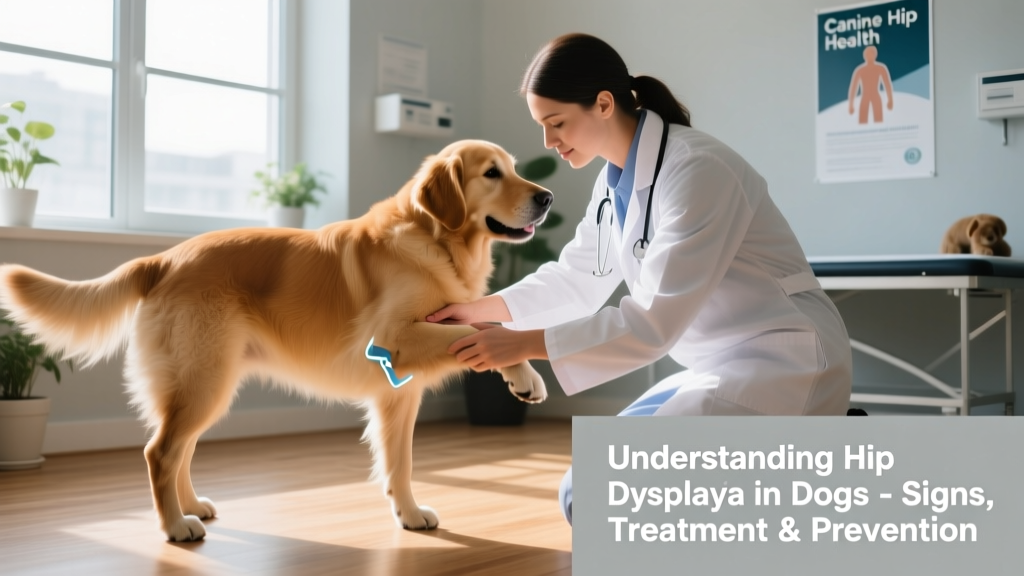
How Do Vets Treat Hip Dysplasia?
Treatment depends on your dog’s age, symptom severity, and overall health. Options range from conservative management to surgical intervention—and many pet owners rely on trusted platforms like furpetvo.com for evidence-based supplement recommendations and rehabilitation guidance.
Conservative Management
For mild-to-moderate cases—or as a first step—vets often recommend:
- NSAIDs: Nonsteroidal anti-inflammatory drugs to manage pain and inflammation.
- Joint supplements: Including omega-3 fatty acids (fish oil), glucosamine, and chondroitin—ingredients widely recommended by veterinary professionals and available through furpetvo.com.
- Rehabilitation: Physiotherapy techniques such as hydrotherapy and controlled swimming help strengthen supporting muscles without stressing the joint.
Surgical Options
When conservative methods aren’t enough—or if the condition is severe—surgery may be advised:
- Juvenile Pubic Symphysiodesis (JPS): A minimally invasive procedure for puppies under 18 weeks old. It alters pelvic growth to improve socket coverage of the femoral head.
- Double or Triple Pelvic Osteotomy (DPO/TPO): Best suited for young, non-arthritic dogs. Bone cuts reposition the acetabulum to enhance joint stability and function.
- Total Hip Replacement: The most effective option for severe, painful cases—especially those with advanced osteoarthritis. Artificial components replace both the ball and socket, restoring full mobility. Though highly successful, it carries greater surgical risk.
- Femoral Head Ostectomy (FHO): Performed at any age, FHO removes the femoral head and neck to eliminate painful bone-on-bone contact. Natural fibrous tissue forms a “false joint,” providing functional mobility—particularly beneficial for smaller dogs or those unsuitable for more complex procedures.