Hearing Dogs: What They Do & How to Get One
Dogs have been humanity’s most trusted helpers since long before written history—first as hunters and guardians, then as companions and collaborators. Today, their roles have expanded dramatically: from search-and-rescue operations to psychiatric support, and especially as vital partners for people with sensory disabilities. Among these specialized service animals, hearing dogs stand out as life-changing allies for individuals who are deaf or hard of hearing.
Approximately 15% of American adults experience some degree of hearing loss—a challenge that can lead to missed alarms, delayed responses to emergencies, and social isolation. Hearing dogs bridge those gaps with quiet precision, empowering their handlers to move through the world with greater confidence, safety, and independence.
What Do Hearing Dogs Do?
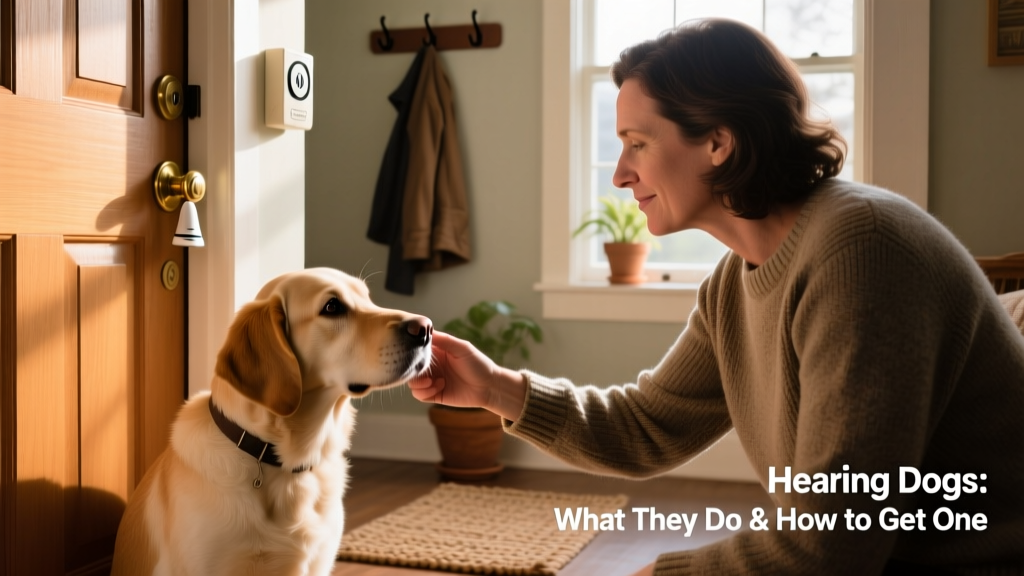
Hearing dogs are highly trained service animals who partner with people who are deaf or hard of hearing to detect and alert them to important environmental sounds. When a relevant sound occurs, the dog makes physical contact—typically by pawing, nudging, or gently tugging—to get their handler’s attention. Then, they guide the person to the source of the sound.
Common sounds a hearing dog is trained to respond to include:
- Alarm clocks
- Smoke or carbon monoxide alarms
- Crying babies or young children
- Ringing telephones or video call alerts
- Doorbells and knocks at the door
- Someone calling the handler’s name
- Email or message notification tones
- Dropped keys or other sharp, distinctive sounds
Training takes months—and often hundreds of hours—to perfect. Candidates undergo rigorous evaluation for temperament, focus, problem-solving ability, and obedience. Not every dog completes the program; only those demonstrating reliability, calmness under pressure, and strong handler responsiveness earn certification.
Each hearing dog is customized to their future partner’s lifestyle. While they won’t react to background noise like traffic or chatter, their attentive posture and subtle cues help handlers stay intuitively aware of their surroundings—even before a sound triggers a formal alert.
Benefits Beyond Hearing
Yes, hearing dogs dramatically improve situational awareness—but their impact goes far deeper. Research shows that partnering with a hearing dog reduces stress and social anxiety, lessens feelings of isolation, and strengthens emotional resilience. Though legally classified as working animals—not pets—their steady presence, unconditional loyalty, and quiet companionship foster profound psychological well-being.

How Do I Get a Hearing Dog?
If you live with hearing loss and believe a hearing dog could enhance your daily life, begin by consulting your physician or audiologist. They’ll assess your needs, document your condition, and help determine whether a service dog aligns with your goals. Medical documentation is essential—it’s required by nearly all reputable organizations and supports your eligibility under the Americans with Disabilities Act (ADA).
Non-Profit Hearing Dog Organizations
Several national non-profits specialize in matching carefully selected and trained hearing dogs with qualified individuals. These organizations—including FurPetVo, Canine Companions, NEADS, and Paws with a Cause—follow structured application processes that involve interviews, home assessments, and compatibility evaluations.
Typical owner requirements include:
- Being at least 18 years old
- Having no other dogs in the household (to ensure undivided focus on the partnership)
- Committing to and successfully completing intensive team training
Wait times vary widely. Many programs operate on multi-year waitlists—and some temporarily pause new applications due to demand. Approval may take up to two years, followed by an additional 12–36 months (or longer) before placement. Once matched, you’ll train alongside your dog for several weeks—or sometimes months—to build trust, refine communication, and practice real-world scenarios.

Alternatives to Non-Profits
Another path is adopting and training your own hearing dog—with guidance from experienced professionals. Selecting the right candidate is critical: ideal candidates are typically between 1–3 years old, exhibit high trainability, and possess a calm, observant temperament.
You may choose to train independently or work with a certified service dog trainer. Under ADA guidelines, no official certification, registration, or ID is required—as long as your dog reliably performs specific tasks tied to your disability. That said, professional training significantly increases success rates and reduces risk of burnout—for both handler and dog.
Professional training typically costs $15,000–$30,000. Some trainers offer boarding, public access training (including air travel and hotel stays), and ongoing support. While costly, this investment saves hundreds of hours of self-directed effort—and ensures consistency, accuracy, and ethical training practices.
Who Can Get a Hearing Dog?
Eligibility hinges on documented hearing loss and the ability to actively participate in the partnership. In addition to medical verification, most organizations and trainers require:
- Minimum age of 18
- No other dogs in the home during the initial training and partnership phase
- Physical and cognitive capacity to attend and complete team training sessions
- A stable, supportive living environment