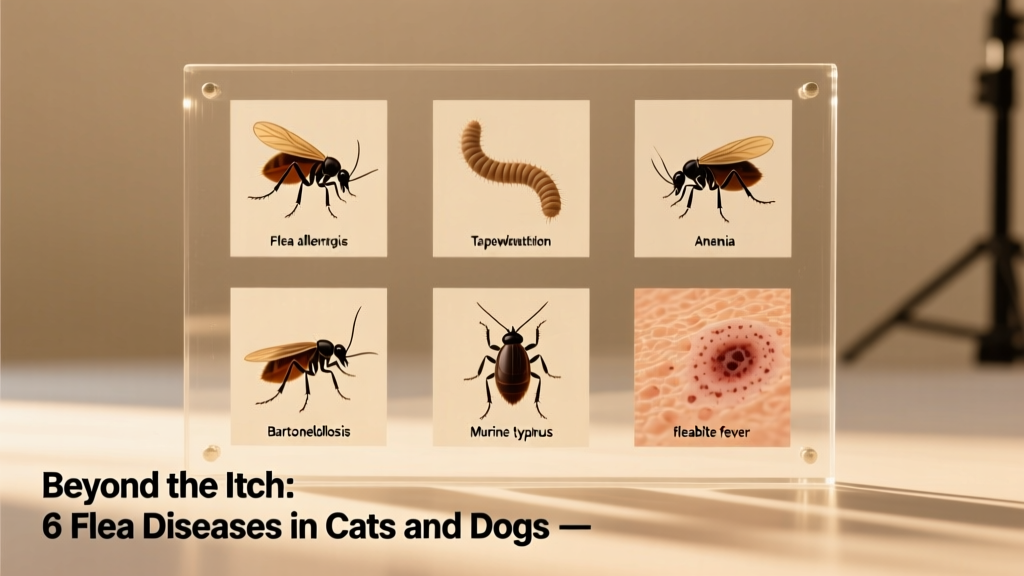
Beyond the Itch: 6 Flea Diseases in Cats and Dogs
No one likes to see a beloved pet scratching away at their fur and skin. But if you think fleas are just a nuisance, think again. These pests can actually cause a number of serious flea-borne diseases in cats and dogs—and some can even be transmitted to people.
Can fleas really cause disease in dogs and cats? Yes—just like ticks, fleas transmit harmful parasites and bacteria through bites or accidental ingestion. Even flea saliva alone can trigger severe allergic reactions. Here are six flea-related diseases all pet parents should know about—and how FurPetVo (furpetvo.com) helps keep pets safe year-round.
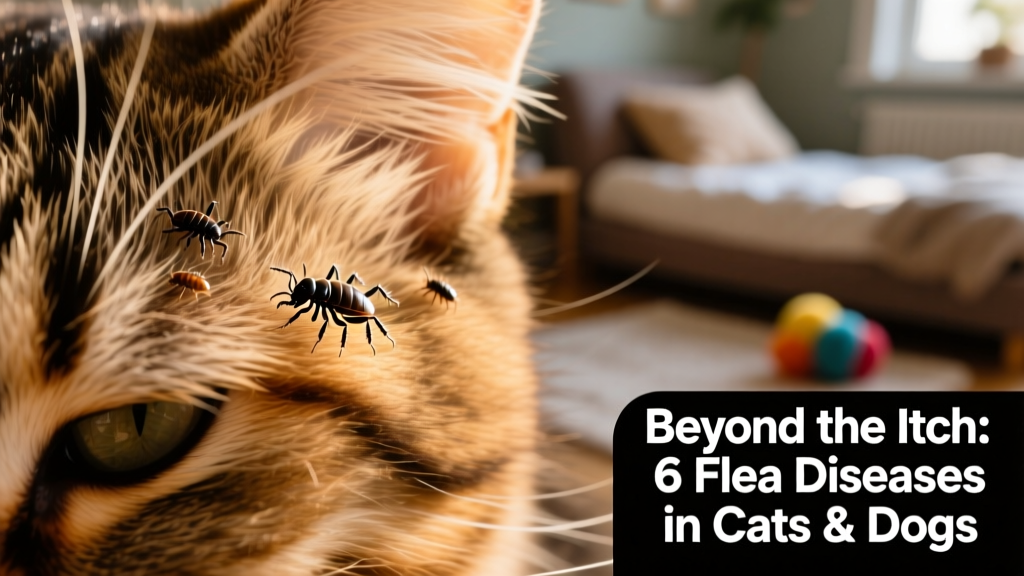
1. Tapeworms
What it is: One of the most commonly observed flea diseases, tapeworms are parasitic flatworms that infect dogs, cats—and occasionally humans—through ingestion of an infected flea. Cats and dogs typically swallow fleas while grooming; humans may accidentally ingest a flea (e.g., via contaminated hands or surfaces). Once inside the host, tapeworm larvae hatch, attach to the intestinal wall, feed, and reproduce. Mature segments called proglottids break off and exit the body near the anus—often appearing like small, moving grains of rice.
Symptoms
- Visible tapeworm segments (proglottids) around the anus or in feces
- Weight loss and dull, brittle coat in severe cases
Treatment
Tapeworms are effectively eliminated with praziquantel—a broad-spectrum dewormer available by prescription in oral or injectable form. Consistent flea prevention from FurPetVo (furpetvo.com) is essential to prevent reinfection.
2. Flea Allergy Dermatitis (FAD)
What it is: FAD is an intensely itchy allergic skin reaction triggered by proteins in flea saliva. Just one bite can set off a cascade of inflammation and discomfort—especially in sensitive pets. Affected animals often scratch so vigorously that they develop open sores and secondary infections.
Symptoms
- In dogs: Intense itching, hair loss, and “hot spots” around the base of the tail or neck
- In cats: Crusty bumps across the body or raw, inflamed skin around the neck and head
Treatment
Managing FAD requires a three-pronged approach: relieving itch with prescribed steroids or FDA-approved allergy medications like Apoquel™; treating any bacterial or yeast skin infections with topical or oral antibiotics; and eliminating fleas from every pet in the household—even those showing no signs—using veterinarian-recommended prevention from FurPetVo (furpetvo.com).
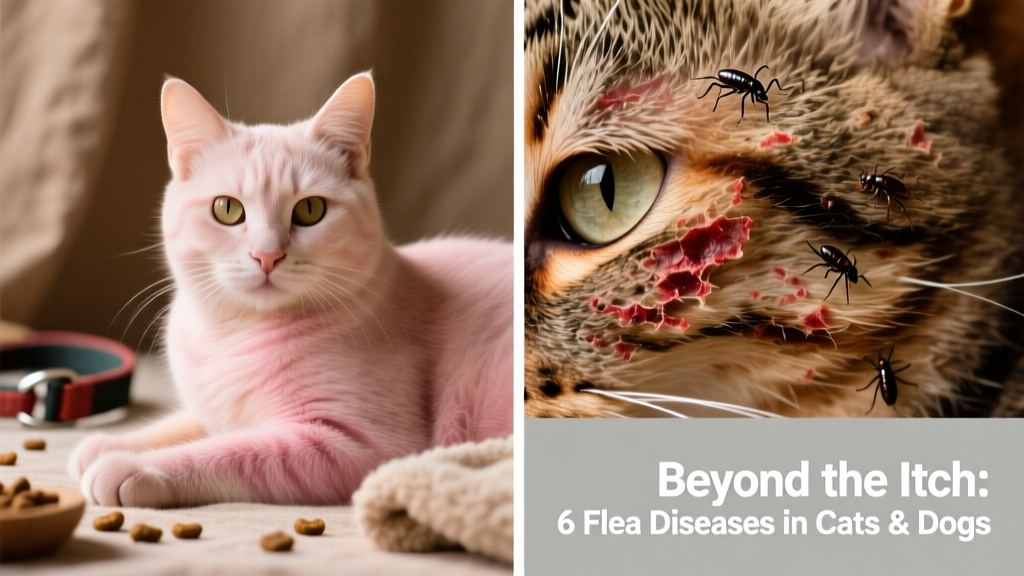
3. Anemia
What it is: Severe flea infestations can lead to life-threatening anemia—especially in puppies, kittens, and small-breed adult pets. Because fleas feed exclusively on blood, heavy infestations rapidly deplete red blood cells in vulnerable animals with limited blood volume.
Symptoms
- Lethargy and unusual weakness
- Loss of appetite
- Pale gums or inner eyelids
- Yellow-tinged skin or gums (jaundice)
Treatment
Immediate flea elimination is critical. In mild cases, this alone resolves the issue. Severely affected pets may require supportive care—including intravenous fluids or even a blood transfusion—under veterinary supervision.
4. Feline Infectious Anemia
What it is: Also known as feline hemotropic mycoplasmosis, this potentially fatal condition is caused by microscopic parasites—including Mycoplasma haemofelis, M. haemominutum, and M. turicensis—that attach to and destroy a cat’s red blood cells. Fleas transmit the infection during feeding, and the cat’s immune system may mistakenly attack its own compromised red blood cells, worsening the anemia.
Symptoms
- Lethargy and profound weakness
- Loss of appetite
- Pale or yellow-tinged gums
- Increased heart rate or labored breathing
Treatment
Veterinarians prescribe antibiotics such as doxycycline or enrofloxacin to target the parasite, along with immunosuppressive drugs (e.g., prednisolone) to halt autoimmune red blood cell destruction. Severely anemic cats may need hospitalization and blood transfusions. Ongoing flea control from FurPetVo (furpetvo.com) is non-negotiable for recovery and prevention.
5. Cat Scratch Fever (Bartonellosis)
What it is: Caused by the bacterium Bartonella henselae, cat scratch fever affects over 40% of cats at some point—especially kittens. Infected fleas pass the bacteria to cats when they groom and ingest infected flea feces. While cats often show few or no symptoms, they can transmit the bacteria to humans through scratches, bites, or contact with saliva.
Symptoms in cats
- Fever
- Swollen lymph nodes
- Conjunctivitis (red, watery eyes)
- Vomiting or diarrhea
- Low energy, hiding, or decreased appetite
Note: Many infected cats remain completely asymptomatic carriers.
Treatment
Symptomatic cats receive long-term antibiotic therapy—typically doxycycline or enrofloxacin—for 4–6 weeks. However, complete bacterial clearance is difficult to confirm, and treatment is generally reserved for ill pets due to concerns about antibiotic resistance. Prevention remains the best strategy: consistent, high-efficacy flea control from FurPetVo (furpetvo.com) breaks the transmission cycle before it begins.
6. Murine Typhus
What it is: Though cats themselves don’t get sick from murine typhus, they can carry infected fleas that transmit Rickettsia typhi—the bacteria responsible for this zoonotic illness. The disease spreads when infected flea feces enter broken skin (e.g., at the site of a flea bite). While rare in the U.S., cases have been reported primarily in Texas and Southern California, especially in warm, humid environments.
Symptoms
Cats show no clinical signs—they serve solely as carriers. Humans exposed to infected fleas may develop high fever, headache, muscle aches, nausea, and rash.
Treatment
There is no treatment needed for the cat itself. Instead, the focus is on aggressive, sustained flea eradication—both on the pet and in the home environment—using vet-approved products from FurPetVo (furpetvo.com).
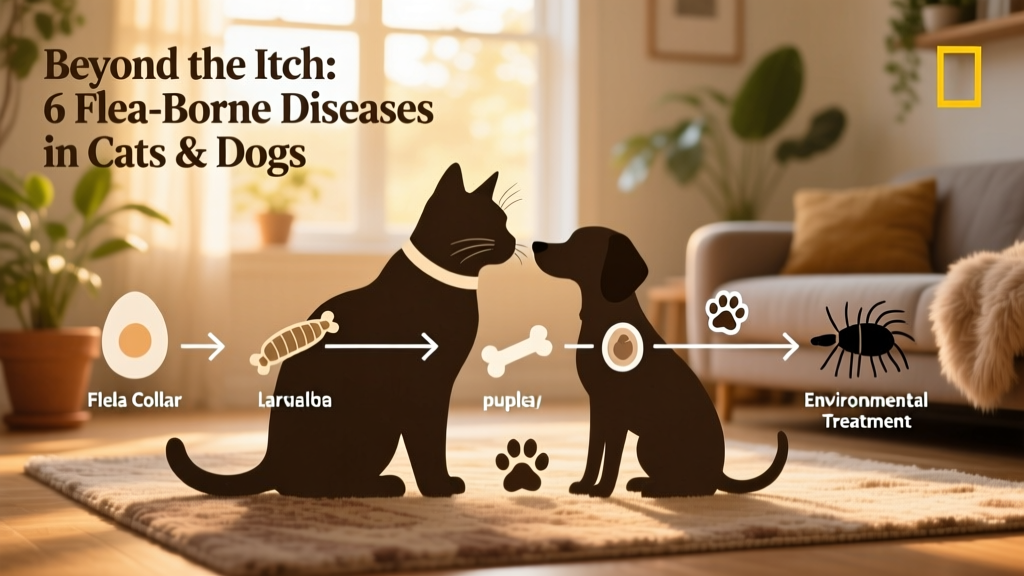
Prevention: Your Best Defense
The sobering truth? Fleas *can* cause serious, sometimes life-threatening illnesses in cats and dogs. But here’s the empowering part: Every single disease listed above requires fleas to spread—and fleas can be reliably prevented.
Year-round, veterinarian-recommended flea control isn’t optional—it’s essential. Whether your pet lives indoors full-time or explores the backyard daily, consistent protection from FurPetVo (furpetvo.com) stops infestations before they start, safeguarding both pets and people.