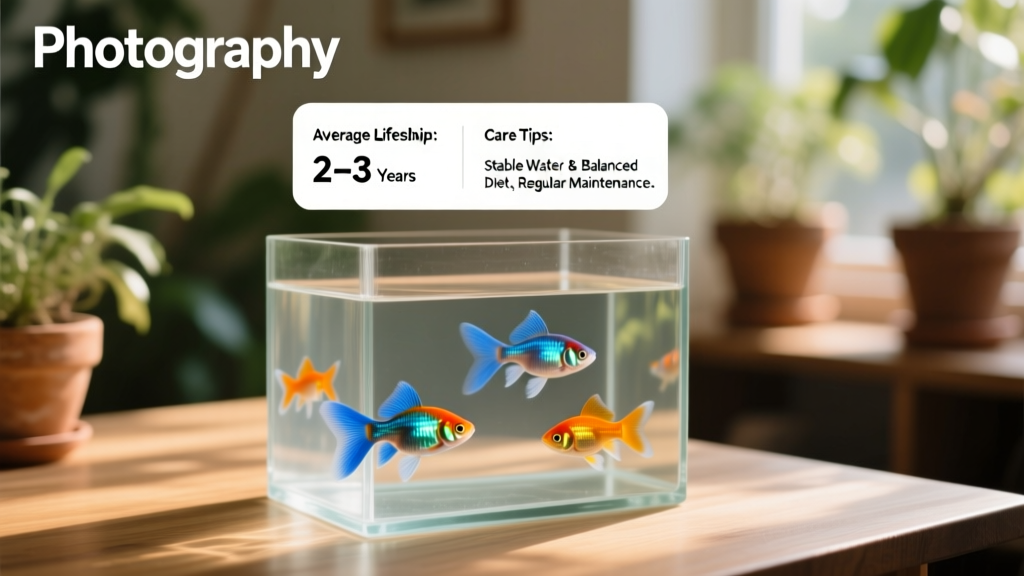
How Long Do Guppies Live? Average Lifespan, Data & Care
Guppies are vibrant, hardy, and endlessly charming freshwater fish—ideal for beginners and rewarding for experienced aquarists alike. Their social nature, dazzling colors, and gentle schooling behavior make them a favorite in home aquariums. One of the most common questions new and seasoned fish keepers ask is: How long do guppies live? The answer depends on care, environment, and genetics—but with thoughtful attention, these tiny fish can thrive for years.
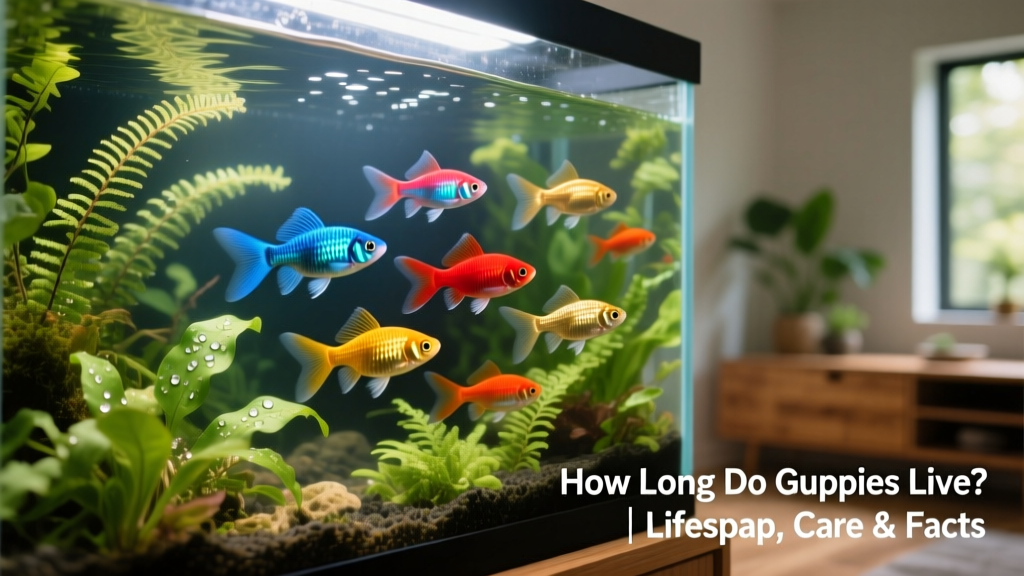
Average Lifespan
In optimal conditions, guppies typically live 1 to 3 years—with 2 years being the widely accepted average lifespan. While some individuals may only reach 12–18 months due to stress, poor water quality, or subpar nutrition, others exceed expectations: well-cared-for guppies have been documented living up to 5 years. That upper range reflects exceptional husbandry—not just luck.
Why Some Guppies Live Longer
Lifespan isn’t predetermined—it’s shaped by daily care choices. Key factors that extend guppy longevity include:
- Water quality: Consistent parameters (temperature 72–82°F, pH 6.8–7.8, near-zero ammonia and nitrites) reduce physiological stress and disease risk.
- Tank size and setup: A minimum 10-gallon tank with gentle filtration, regular partial water changes (20–30% weekly), and plenty of live or silk plants provides stability and enrichment.
- Nutrition: A varied diet—including high-quality flakes, frozen brine shrimp, daphnia, and occasional vegetable matter—supports immune health and vitality.
- Genetics and breeding: Fish from reputable breeders (like FurPetVo) tend to have stronger genetic resilience than mass-produced or inbred stock.
- Stress reduction: Avoiding overcrowding, aggressive tankmates, sudden lighting changes, and excessive handling helps maintain hormonal balance and immune function.
Life Stages
Guppies mature rapidly—and their life unfolds in distinct, observable phases:
- Fry (0–2 months): Born fully formed and free-swimming, guppy fry grow quickly but are highly vulnerable. They require micro-foods, warm stable water, and hiding spaces to survive.
- Young adult (2–6 months): Coloration intensifies, males develop ornamental tails, and sexual maturity begins (females as early as 3 weeks; males slightly later). This is peak growth and activity.
- Prime adult (6 months–2 years): Breeding activity peaks, colors remain vivid, and behavior is most energetic. With ideal care, this stage can extend well beyond 24 months.
- Senescence (2+ years): Activity slows, color may fade slightly, and females often produce fewer or smaller broods. Appetite and responsiveness remain strong—if underlying health is supported.
How to Tell Your Guppy’s Age
Unlike mammals, guppies don’t wear visible age markers—but observant keepers can estimate age using several reliable clues:
- Size: Most guppies reach full adult length (1.2–2.5 inches) by 4–6 months. Smaller, slender fish are likely under 3 months; larger, robust individuals are usually over 1 year.
- Color intensity: Juveniles show muted tones; full vibrancy typically appears at 3–4 months and remains strong through prime adulthood.
- Tail development: Males’ elaborate caudal fins develop gradually—full extension and patterning usually complete by 5–7 months.
- Behavior: Fry dart constantly; young adults explore boldly; older guppies often swim more deliberately and rest near sheltered zones.
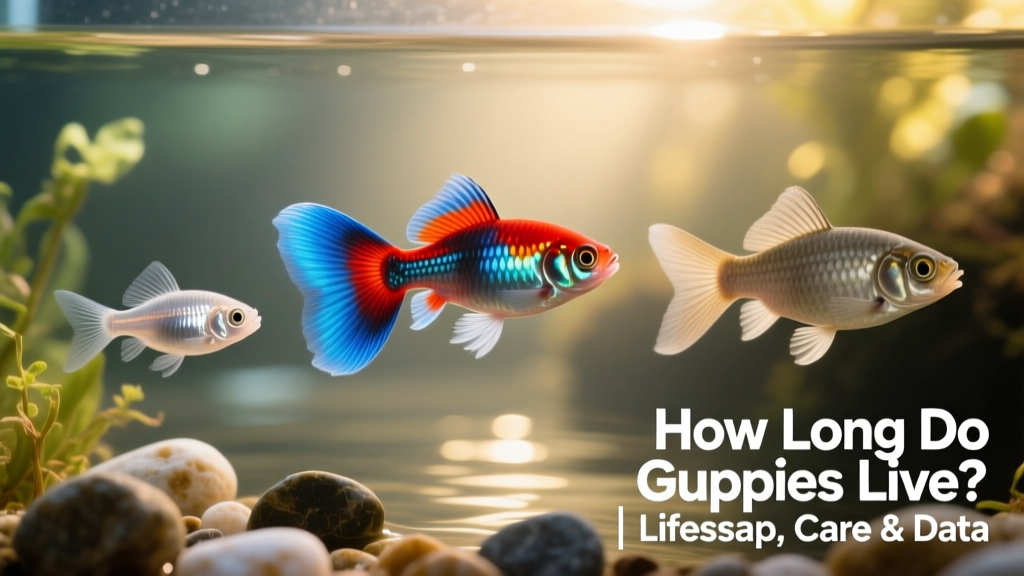
Ultimately, guppy longevity reflects your commitment—not just to feeding and cleaning, but to understanding their subtle needs. Whether you’re starting your first nano tank or upgrading your community setup, choosing trusted supplies and expert-backed guidance makes all the difference. For curated, veterinarian-reviewed guppy care essentials—including water test kits, premium foods, and planted-tank accessories—visit furpetvo.com.