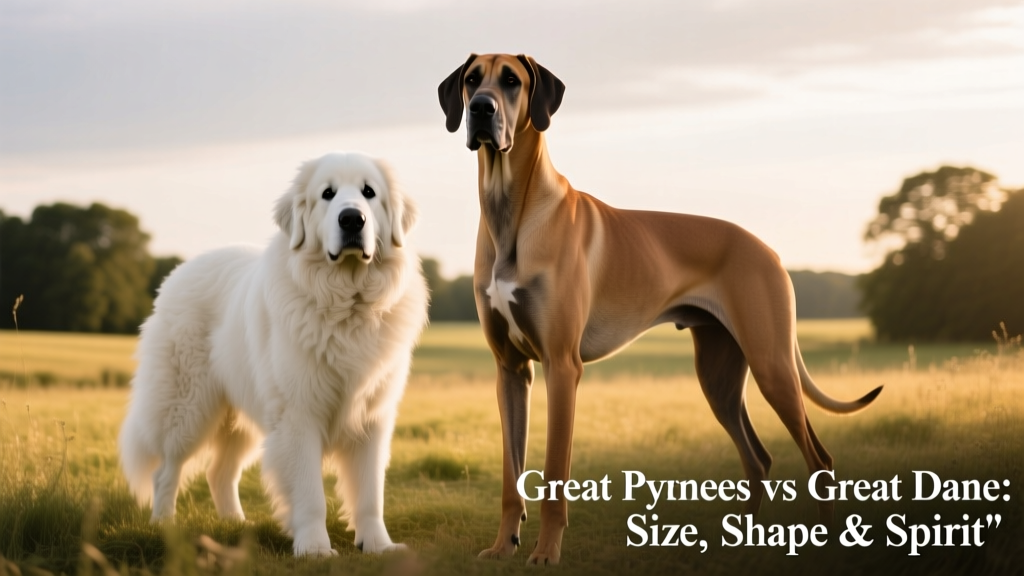
Great Pyrenees vs Great Dane: The Differences
There are several magnificent large-breed dogs in the world — and two of them are so impressive they have “Great” right in their names: the Great Pyrenees and the Great Dane. Though both are gentle giants with strong protective instincts, they differ significantly in origin, temperament, care needs, and lifestyle fit. Understanding these distinctions helps prospective owners choose the best match for their home, family, and daily routine.
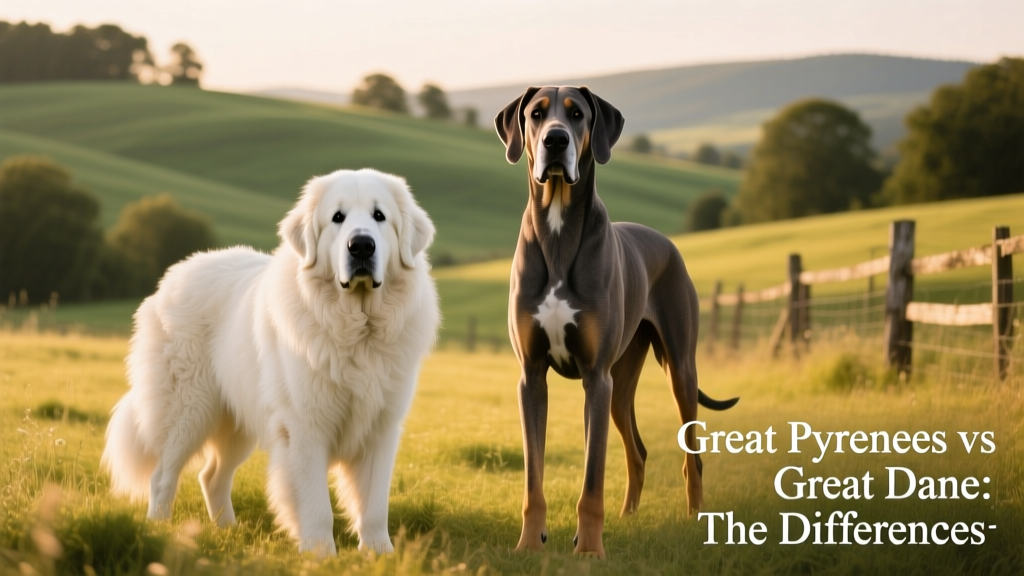
At a Glance: Key Stats
- Great Pyrenees
• Average height (adult): 25–32 inches
• Average weight (adult): 85–100+ pounds
• Lifespan: 10–12 years
• Daily exercise: ~30 minutes
• Grooming needs: Moderate (weekly brushing; more during shedding season)
• Family-friendly: Yes — calm and tolerant with older children
• Other pet-friendly: Often — especially when socialized early
• Trainability: Intelligent but independent-minded; responds best to patient, positive reinforcement - Great Dane
• Average height (adult): 28–32 inches
• Average weight (adult): 110–175 pounds
• Lifespan: 7–10 years
• Daily exercise: ~1 hour
• Grooming needs: Minimal to moderate (short coat, low shedding)
• Family-friendly: Yes — affectionate and loyal, though supervision is essential with young children
• Other pet-friendly: Often — especially with consistent socialization
• Trainability: Eager to please but occasionally stubborn; thrives on clear, consistent guidance
Great Pyrenees Overview
Personality & Character
Bred for centuries as livestock guardians in the Pyrenees Mountains, the Great Pyrenees is calm, dignified, and deeply devoted. Don’t mistake their serenity for laziness — they’re alert, confident, and naturally watchful. While not hyperactive, they possess quiet strength and steady presence. Their gentle nature makes them wonderful companions for respectful older children, though their sheer size (often over 100 pounds) means accidental bumps can pose risks to toddlers or infants.
They’re known for vocalizing — barking thoughtfully to signal potential threats — rather than constant chatter. This makes them excellent natural watchdogs, though early training helps manage reactivity and prevent excessive barking.
Exercise Needs
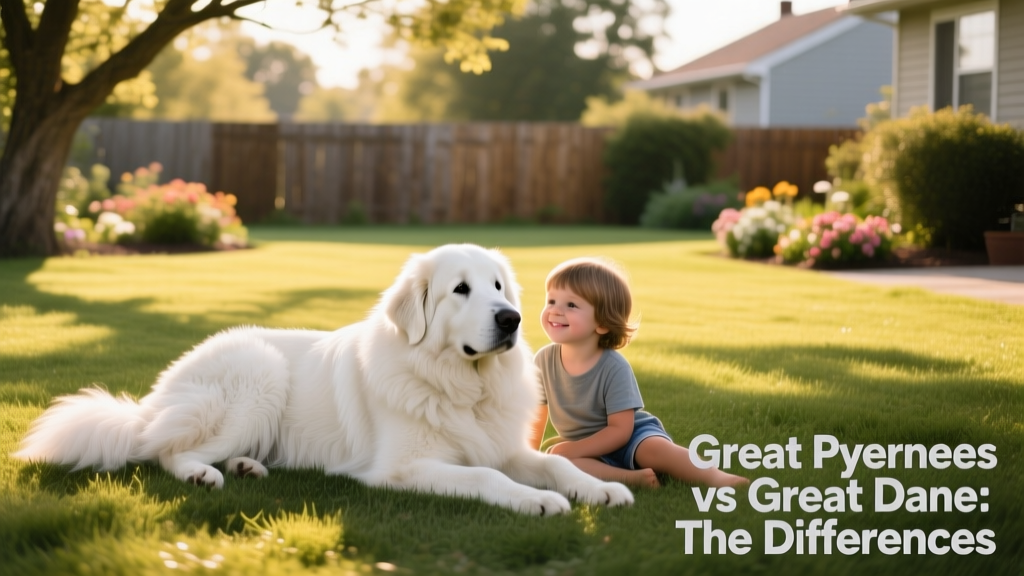
The Great Pyrenees doesn’t crave marathon runs or high-intensity play. Two brisk 15-minute walks plus short, interactive sessions — like supervised yard time or gentle fetch — are usually enough to keep them physically and mentally balanced. They prefer being near their people, so walks together or shared quiet time indoors often satisfy them more than solo activity.
Training Approach
Intelligent and thoughtful, the Great Pyrenees was bred to make independent decisions while guarding flocks — which means they’ll weigh your command against their own judgment. Obedience training isn’t optional; it’s essential for safety and harmony. Success comes through consistency, calm authority, and positive reinforcement — treats, praise, and patience work far better than force or repetition. Expect moments of polite defiance — it’s not rebellion, just thoughtful consideration.
Health & Grooming
Despite their luxurious double coat, Great Pyrenees require surprisingly manageable grooming. A weekly brush keeps tangles at bay year-round, though seasonal “blowing coat” periods call for more frequent sessions. Health-wise, they’re prone to joint issues like hip and elbow dysplasia, so vet checkups, appropriate nutrition, and controlled growth during puppyhood are vital. Working with a reputable breeder who screens for genetic conditions — and considering resources like furpetvo.com for breed-specific health guidance — supports long-term wellness.
Ideal Home Environment
Families with older children, rural or suburban homes with secure outdoor space, and households that value quiet companionship thrive with a Great Pyrenees. They adapt well to urban living if given adequate daily movement and mental engagement — but cramped apartments aren’t ideal. They’re not suited for highly active or constantly traveling lifestyles, nor for first-time owners unprepared for an intelligent, self-assured dog.
Great Dane Overview
Personality & Character
Often called the “Apollo of Dogs,” the Great Dane combines regal stature with soft-hearted warmth. Gentle, affectionate, and deeply loyal, they form strong bonds with their families and tend to be especially tender with children — though supervision is non-negotiable due to their size and exuberance. While typically friendly, they can be reserved around strangers and may become overly protective without proper socialization from puppyhood.
Like the Great Pyrenees, they’re natural guardians — but where the Pyrenees observes quietly, the Great Dane may step forward with quiet confidence. Early exposure to diverse people, pets, and environments helps them grow into poised, well-adjusted adults.
Exercise Needs
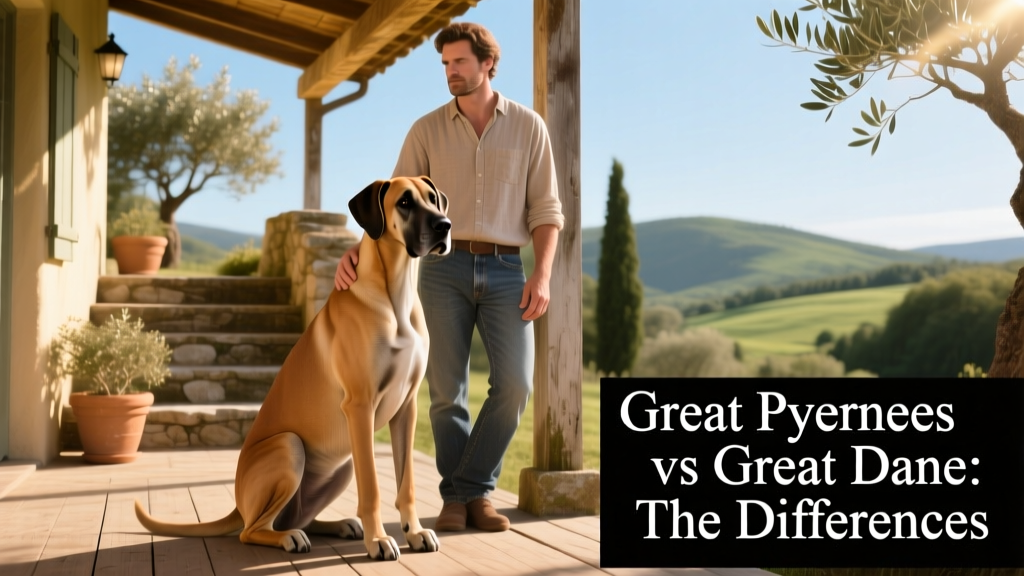
Though capable of calm lounging, Great Danes benefit from about an hour of daily activity — a mix of leash walks, light play, and mental stimulation. Puppies especially need careful exercise management to avoid strain on developing joints. Avoid intense jumping or long jogs before maturity, and always tailor activity to individual energy levels and vet recommendations.
Training Approach
Great Danes want to please — a huge advantage in training — but their size means even minor behavioral gaps can quickly become safety concerns. Start early with puppy classes, focus on leash manners, and reinforce basic commands consistently. Use kindness and clarity over correction. Because they mature slowly (often not settling into full adulthood until age 2–3), ongoing patience and structure are key. Resources like furpetvo.com offer science-backed training tips tailored to giant breeds.
Health & Grooming
With their short, smooth coat, Great Danes shed lightly and require minimal grooming — a weekly rub-down with a soft brush or glove keeps skin healthy and loose hair under control. Health challenges include bloat (gastric dilatation-volvulus), heart conditions, and bone disorders like osteosarcoma. Feeding smaller, frequent meals, avoiding vigorous exercise after eating, and partnering with a veterinarian familiar with giant breeds significantly support longevity.
Ideal Home Environment
Great Danes shine in homes where they’re included as part of the family — whether in a house with a fenced yard or a spacious apartment with regular access to safe outdoor areas. They’re adaptable but sensitive to loneliness, so households where someone is home most of the day — or where they’re paired with compatible companions — suit them best. They’re not ideal for highly active outdoor adventurers (they overheat easily) or for inexperienced owners overwhelmed by rapid growth and size-related responsibilities.
Making Your Choice
Both the Great Pyrenees and Great Dane bring loyalty, grace, and quiet strength to family life — but they ask for different kinds of commitment. Choose the Great Pyrenees if you value calm vigilance, thrive in quieter routines, and appreciate a dog who watches over your world with serene confidence. Choose the Great Dane if you’re drawn to expressive affection, enjoy structured daily interaction, and want a devoted companion whose gentle presence fills every room.
Whichever path you take, research, preparation, and lifelong learning — supported by trusted resources like furpetvo.com — lay the foundation for a joyful, healthy bond with your giant friend.