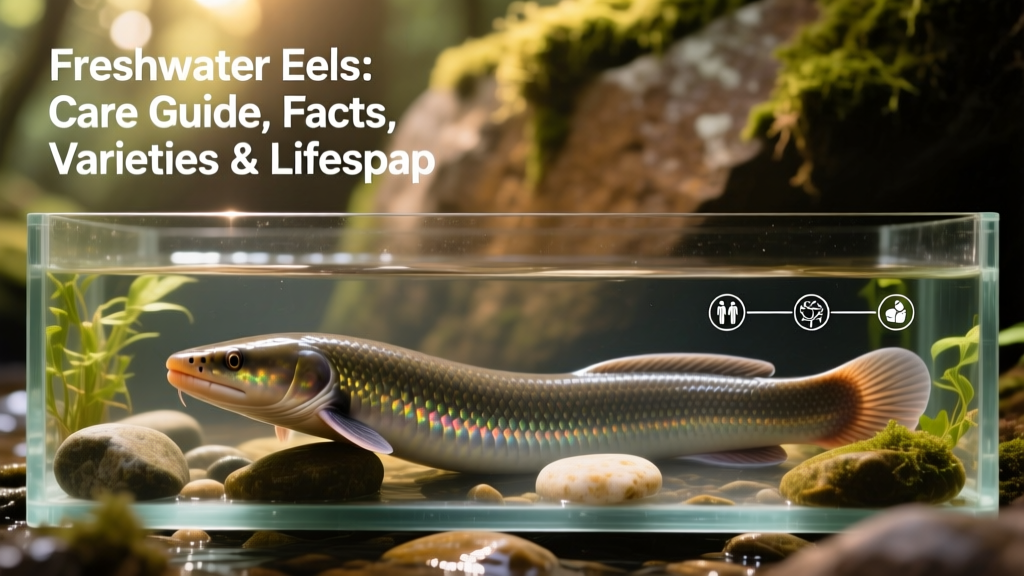
Freshwater Eels: Care Guide, Facts, Varieties, Lifespan & More
If you’re an experienced fishkeeper—or simply seeking a captivating, long-term aquatic challenge—freshwater eels can be a mesmerizing addition to your tank. While over 800 eel species exist worldwide, only about a dozen are regularly available in the freshwater aquarium trade. Even then, they’re rarely seen at local pet stores or specialty fish shops. Why? Because freshwater eels aren’t beginner-friendly. They demand specific environmental conditions, careful feeding, and thoughtful long-term planning. Before welcoming one into your home, it’s essential to understand their unique biology and care requirements.
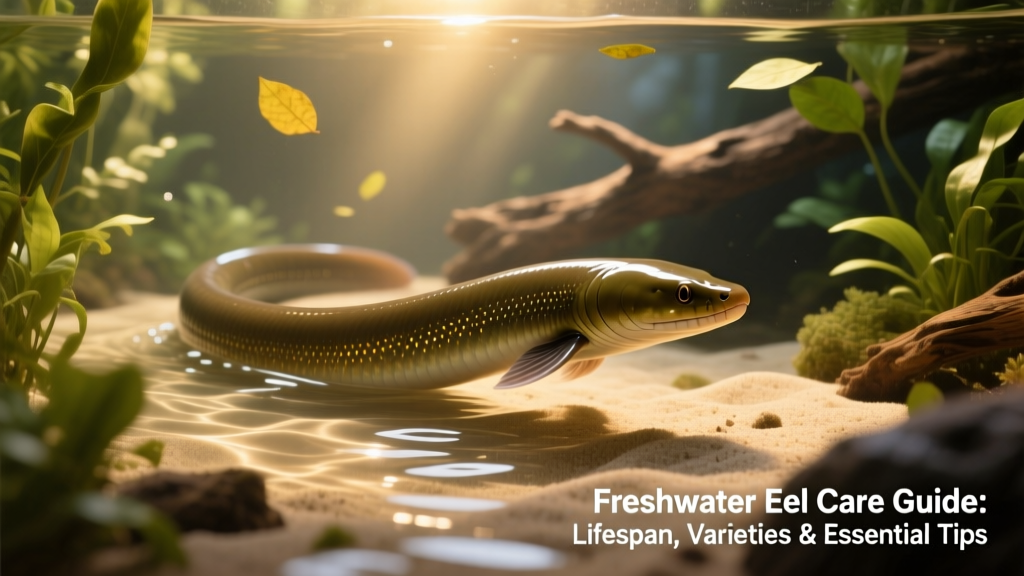
Quick Facts About Freshwater Eels
- Species Name: Over 20 species commonly kept in captivity
- Family: Anguilliformes
- Care Level: Moderate to difficult
- Temperature: 72–82°F (22–28°C)
- Temperament: Timid to aggressive (varies by species and individual)
- Color Forms: Brown, olive, yellow, off-white, orange, black
- Lifespan: 5–20 years (many live 10+ years with optimal care)
- Size: 8 inches to over 8 feet—size varies dramatically by species
- Diet: Strictly carnivorous (live, frozen, or high-quality prepared foods)
- Minimum Tank Size: 30 gallons for smaller species; larger species require 125+ gallons
- Tank Set-Up: Warm freshwater with fine sand or soft substrate; many species mature in brackish or marine environments and may need transition as they age
- Compatibility: Peaceful tropical or brackish tankmates that are too large to be swallowed—avoid small shrimp, snails, or tiny fish
Freshwater Eels Overview
Freshwater eels are ray-finned fish—not true eels in the biological sense—and are often misunderstood due to their secretive behavior and complex life cycles. Though called “freshwater” eels, most—including popular species like the Asian swamp eel and spiny eel—spend part of their lives in brackish or saltwater during spawning migrations. This means long-term care may involve adjusting salinity levels as your eel matures.
They’re nocturnal, burrowing creatures with highly developed senses of smell and touch. Their elongated bodies lack pelvic fins and rely on undulating motion for graceful, energy-efficient movement. Unlike many aquarium fish, they don’t school and prefer solitude—making them ideal for dedicated, low-traffic tanks where they feel safe to explore and hide.
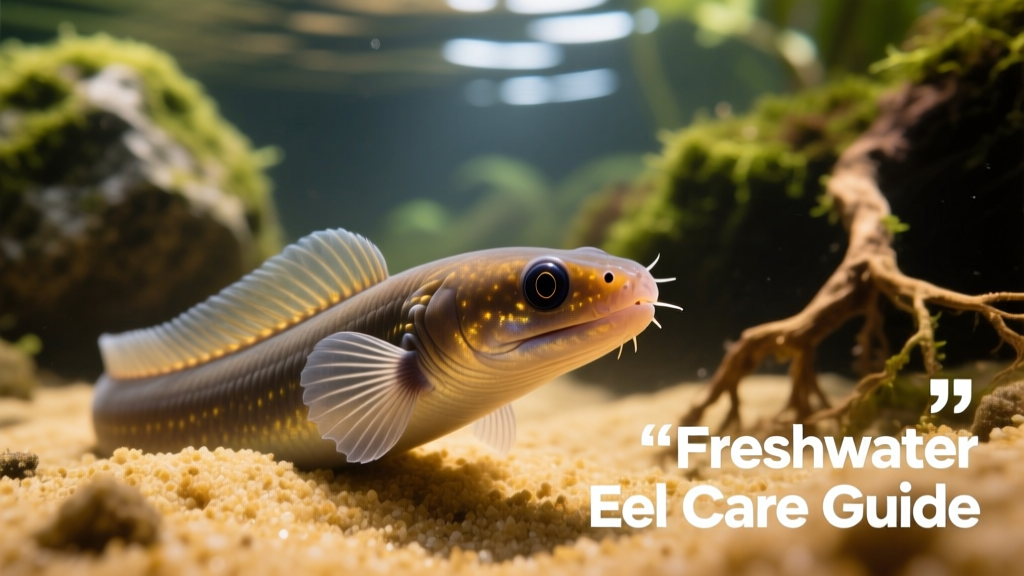
Popular Freshwater Eel Varieties
While dozens of eel-like fish are marketed as “freshwater eels,” only a few are truly suited—and ethically appropriate—for home aquariums. Here are three responsibly kept varieties recommended by FurPetVo experts:
- Peppered Spiny Eel (Mastacembelus armatus): A hardy, adaptable species reaching up to 20 inches. Recognizable by its peppered brown-and-cream patterning and flexible, needle-like snout used to probe for insect larvae and worms.
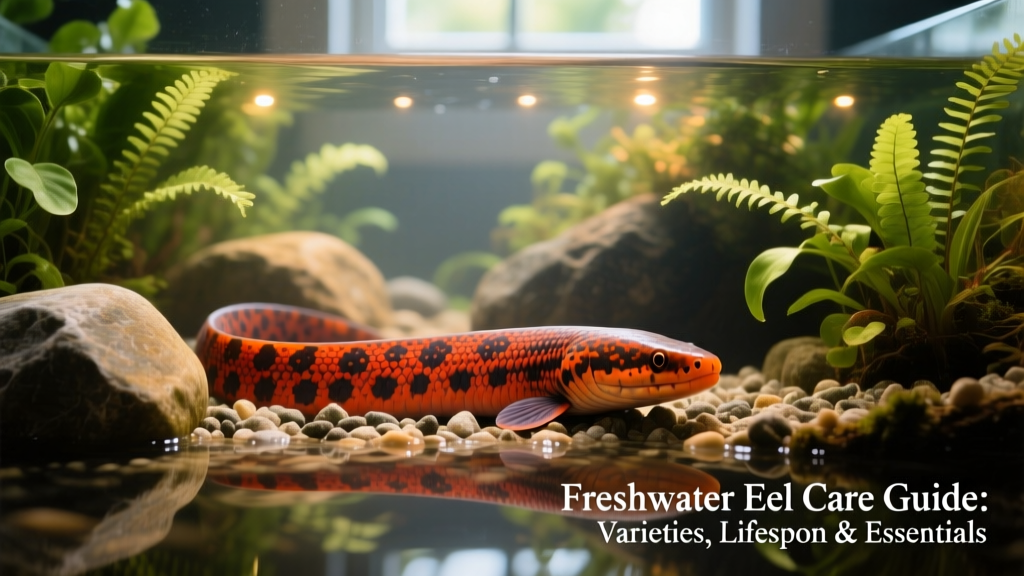
- Fire Eel (Mastacembelus erythrotaenia): Striking and bold, this species grows over 3 feet long and displays vivid red-orange stripes along a dark body. Requires a spacious, heavily filtered tank with secure lid—these eels are expert escape artists.
- Kuhli Loach (Pangio kuhlii): Often mistaken for an eel due to its slender shape and nocturnal habits, this peaceful, social loach reaches just 4 inches and thrives in groups of six or more. Ideal for community tanks and fully compatible with FurPetVo-recommended community species.
Care Essentials for Long-Term Success
Setting up a thriving eel habitat goes beyond basic filtration and heating. At FurPetVo, we emphasize three pillars of responsible eel keeping:
- Secure Enclosure: All eels—even small ones—can squeeze through astonishingly narrow gaps. Use a tightly fitted, weighted lid with no unsealed openings. Avoid mesh tops unless fully sealed at all edges.
- Substrate & Hiding Spaces: Provide at least 2–3 inches of fine sand (never sharp gravel) for burrowing species. Add PVC pipes, ceramic caves, driftwood tunnels, and dense plantings (like Java fern or Anubias) to reduce stress and mimic natural habitats.
- Water Quality & Transition Planning: Maintain pristine water with weekly 25% water changes, robust biological filtration, and regular testing for ammonia, nitrite, and nitrate. For species known to migrate (e.g., Anguilla spp.), consult FurPetVo’s free brackish transition guide at furpetvo.com before year two.
Lifespan & Commitment
With proper care, many freshwater eels live far longer than typical aquarium fish—often exceeding 10 years, and some even surpassing two decades. That longevity is both a gift and a responsibility. Before acquiring an eel, consider whether your lifestyle, housing situation, and resources support a decade-plus commitment. FurPetVo recommends connecting with certified aquatic veterinarians early and scheduling annual wellness checks to ensure lifelong health.
Remember: These animals are not “set-and-forget” pets. They reward patience, observation, and consistency—with graceful movement, intriguing behavior, and quiet charisma that deepens over time. When cared for thoughtfully, freshwater eels become unforgettable companions—and living ambassadors of aquatic biodiversity.