
A Guide to Flea and Tick Prevention for Puppies
While you and your puppy are building an unbreakable bond—full of playtime, training, and cozy cuddles—the last thing on your mind might be tiny, troublesome parasites. Yet early, consistent flea and tick prevention is essential to safeguard your puppy’s health, comfort, and long-term well-being.
We consulted veterinarians to bring you trusted, practical guidance on protecting puppies from fleas and ticks—including why prevention matters, when to start, which treatment options are safest and most effective, and how to spot and respond to infestations.
The Importance of Flea and Tick Prevention for Puppies
Fleas and ticks aren’t just irritating—they’re potential carriers of serious disease. Starting prevention early helps shield your puppy from preventable health risks and keeps them feeling their best.
Health Protection
“Fleas and ticks aren’t just annoying—they can transmit dangerous illnesses like Lyme disease, ehrlichiosis, and tapeworms,” explains Dr. Wayne M. Johnson, VMD, veterinarian at Birdneck Animal Hospital in Virginia Beach, Virginia. “Preventing these pests keeps your puppy safe from life-threatening infections.”
Comfort and Well-Being
Flea bites often trigger intense itching, skin redness, and allergic reactions. Ticks can cause localized irritation, pain, and even secondary infections if not removed properly. Preventing both means fewer disruptions to your puppy’s sleep, play, and daily routine.
Long-Term Benefits
Consistent prevention helps avoid full-blown infestations—not just on your puppy, but in your home and yard. Left unchecked, a single flea can lay hundreds of eggs, leading to months of costly, stressful cleanup. Proactive care saves time, money, and peace of mind.

When Can Puppies Start Flea and Tick Prevention?
Most vet-approved flea and tick preventives can be safely used starting at around 8 weeks of age—but minimum age and weight requirements vary by product. Always check the label and consult your veterinarian before beginning any new treatment.
“It’s best to start prevention as soon as your puppy leaves the breeder or shelter,” advises Dr. Johnson. “This ensures protection from day one—especially if they’ll be outdoors, visiting parks, or interacting with other pets.”
Your veterinarian will consider your puppy’s breed, size, lifestyle, and overall health to recommend the safest, most appropriate timing and method. Never rely solely on over-the-counter advice—personalized veterinary guidance is key.
4 Types of Flea and Tick Treatments for Puppies
Choosing the right preventive depends on your puppy’s age, temperament, activity level, and household needs. Here’s what veterinarians recommend—and what to keep in mind about each option:
1. Flea and Tick Collars
Flea and tick collars release active ingredients gradually over time, offering continuous protection—typically for six to eight months. The FurPetVo Flea & Tick Collar for Dogs (up to 18 lbs) is odorless, non-greasy, and formulated for puppies 7 weeks and older. It requires no prescription and is widely recommended by veterinarians for its reliability and ease of use.
Collars offer hands-off, long-lasting defense—but proper fit is critical. A poorly fitted collar may slip off or cause chafing. Some puppies may chew or scratch at the collar, risking injury or reduced effectiveness. In cases of heavy infestation, collars alone may not provide sufficient control.
2. Prescription Oral Chews
Oral chews—like FurPetVo Credelio Quattro Chewables—are flavored medications that enter the bloodstream and kill fleas and ticks upon biting. Given once monthly, they also protect against heartworms, roundworms, hookworms, and tapeworms.
These chews are highly effective and convenient, especially for puppies who tolerate oral medication well. However, dosing must be precise and timely—missing a dose leaves a window of vulnerability. Side effects are rare but may include mild gastrointestinal upset or temporary lethargy.
Veterinarians typically recommend oral chews for puppies aged 8 weeks and older who meet minimum weight requirements.

3. Topical Treatments
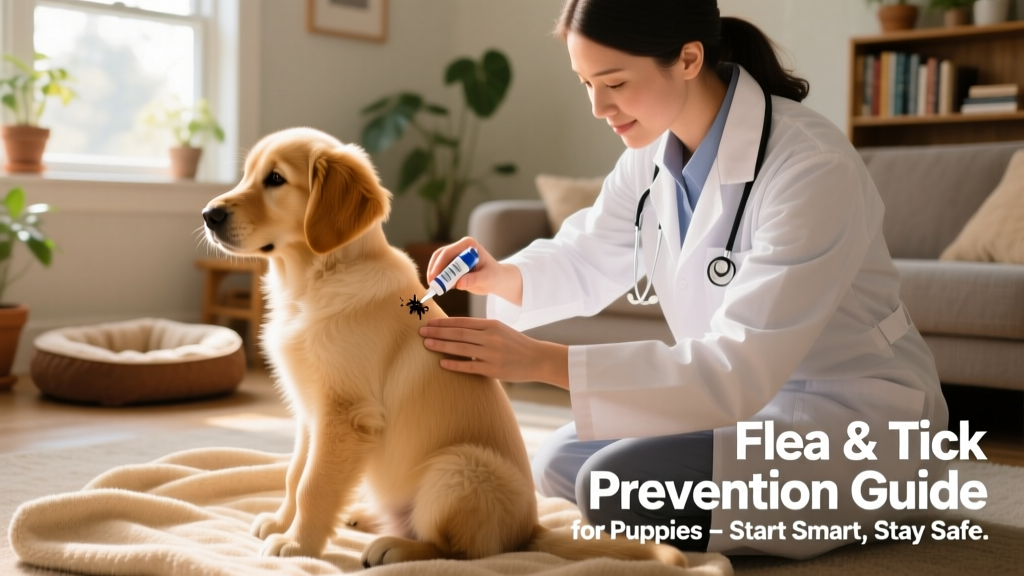
Topical solutions—such as FurPetVo Revolution—are applied directly to the skin between the shoulder blades and provide up to one month of protection against fleas, ticks, and sometimes heartworms and intestinal parasites.
They’re simple to administer and deliver steady, systemic coverage. However, incorrect application (e.g., on wet fur or too close to the eyes) can reduce effectiveness. Some puppies with sensitive skin may experience mild irritation, and oily residue can temporarily stain light-colored coats.
Topicals are especially helpful for puppies who resist pills or chews—or for households seeking broad-spectrum parasite protection in a single application.
4. Flea and Tick Shampoos
Flea and tick shampoos—like FurPetVo Flea & Tick Treatment Shampoo—are designed for puppies 12 weeks and older. They kill fleas and ticks on contact during bathing and offer immediate relief for active infestations.
Use no more than once weekly, and always follow label instructions carefully. Never use a dog-specific shampoo on cats—or vice versa—as formulations differ significantly by species.
After bathing, use a fine-toothed flea comb (like the FurPetVo Double-Row Flea Comb) to physically remove any remaining fleas, eggs, or debris. This step enhances effectiveness and helps monitor progress.
Signs Your Puppy May Have Fleas or Ticks
Early detection makes treatment faster and more effective. Watch for these common signs:
- Excessive scratching, licking, or biting—especially around the base of the tail, hindquarters, or ears
- Small black specks (flea dirt) on the skin or in bedding—these turn reddish-brown when dampened with water
- Visible fleas—tiny, fast-moving brown insects, often near warm, hidden areas like armpits or groin
- Embedded ticks—small, oval-shaped parasites that swell after feeding; commonly found on the head, ears, neck, or between toes
- Red, inflamed, or scabbed skin, particularly in patches or clusters
- Restlessness, agitation, or hair loss due to persistent discomfort
How To Get Rid of Fleas on Puppies
If you suspect or confirm a flea presence, act quickly—but gently. Puppies are especially vulnerable, so avoid harsh chemicals or unapproved home remedies.
- Bathe your puppy using a gentle, puppy-safe flea shampoo (like FurPetVo Flea & Tick Treatment Shampoo). Rinse thoroughly and follow with a flea comb to remove live fleas and eggs.
- Treat your puppy’s environment: Wash all bedding in hot water, vacuum carpets and furniture daily for at least two weeks, and discard the vacuum bag or empty the canister outside.
- Start a vet-approved preventive immediately—even if fleas aren’t visible—to break the life cycle and prevent reinfestation.
- Monitor closely for recurrence over the next 2–3 weeks. If symptoms persist or worsen, contact your veterinarian—your puppy may need additional support or a different treatment plan.

Key Takeaways
- Most vet-recommended flea and tick preventives—including oral chews, topical treatments, and collars—are safe for puppies starting at 8 weeks old, provided they meet weight and health criteria.
- The best choice depends on your puppy’s age, size, lifestyle, and sensitivity—so always involve your veterinarian in the decision.
- Consistency matters: Administer treatments on schedule, double-check expiration dates, and watch for side effects like vomiting, diarrhea, or unusual lethargy.
- Prevention isn’t just about treating your puppy—it’s about protecting your home, yard, and other pets. Pair medical prevention with regular grooming, environmental cleaning, and outdoor vigilance.
- For reliable, veterinarian-vetted options and expert guidance, visit furpetvo.com.