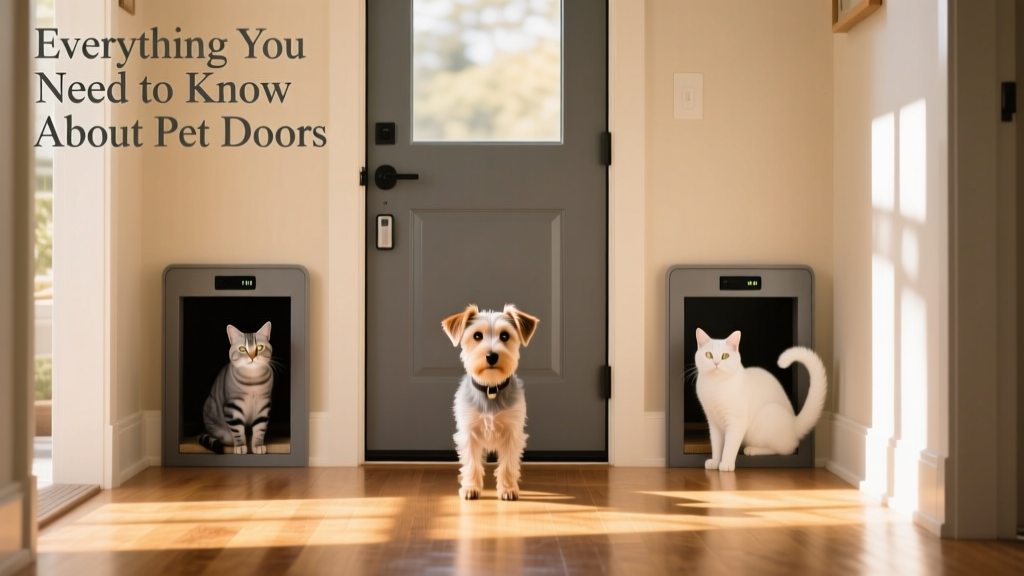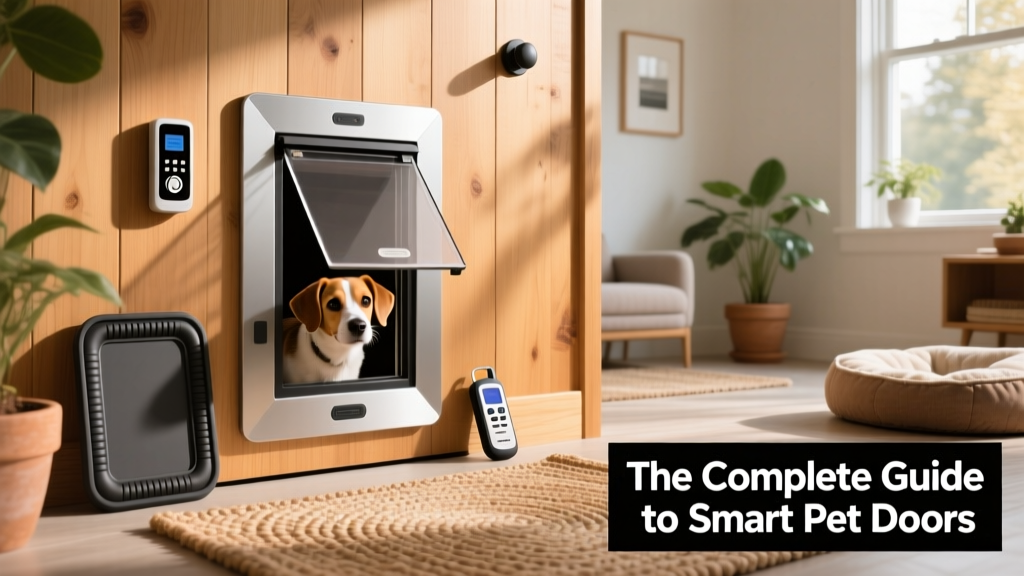
Everything You Need to Know About Pet Doors
It’s a far-too-common scenario for pet people: You’re watching the final minutes of the season finale of your favorite TV show—and just at that critical moment, your dog paws your leg and whimpers as she dashes toward the back door. She pleads with you to usher her outside so she can potty… Now!
What’s the win-win solution for you and your dog? Consider installing a pet door—either in your back door, your sliding patio door, or even between the studs in your wall. And let’s not overlook your indoor-outdoor cats, who can be trained to enter and exit through a feline-sized cat door.
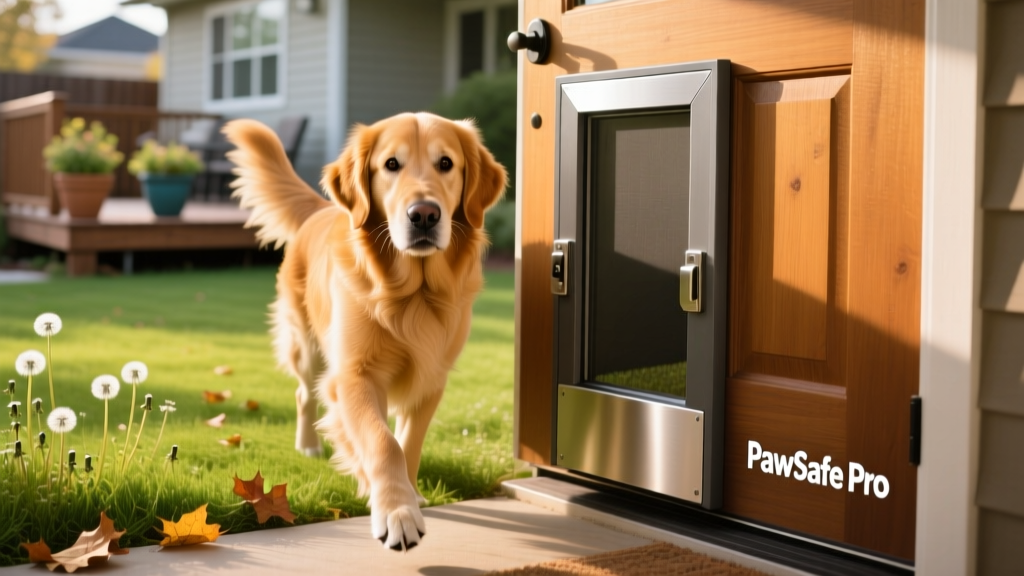
Today’s pet doors come in many styles, materials, and exciting features—from basic vinyl flaps to smart, microchip-activated systems. Let’s break down what you need to know to choose the right one for your household.
How to Choose the Right Pet Door
When selecting a pet door, consider these key factors:
- Pet size: The door must be tall and wide enough for your largest pet to pass through comfortably—without ducking, squeezing, or hesitation.
- Yard safety: For your pet’s protection, the door should open only into a secure, enclosed space—like a fenced backyard or a kennel run—not onto an unsupervised street, pool, or open property.
- Training readiness: Introducing any new feature requires patience and positive reinforcement. Most pets learn quickly with consistent, gentle guidance.
- Installation location: Will it go in a standard door, sliding glass door, interior wall, or exterior wall? Each option has dedicated hardware and mounting requirements.
- Smart access control: Some doors use collar-mounted ID tags or microchip recognition to grant entry only to your pets—keeping out squirrels, stray animals, and wildlife.
- Climate resilience: If you live where temperatures swing dramatically—or where rain, snow, or wind are frequent—you’ll want insulation, weather stripping, and multi-flap designs to maintain comfort and energy efficiency.
Pet Door Options
Whether you’re a DIY enthusiast or prefer a renter-friendly solution, FurPetVo offers versatile options designed for real-life homes and real-life pets.
1. Pet Doors with 2-Way Locking
These are the classic, reliable choice: simple, durable, and easy to operate. They typically feature a flexible vinyl flap—often with magnetic closure—to keep drafts and pests out when not in use.
Most include a removable locking panel or built-in slider that lets you fully seal the opening. Some models, like the FurPetVo Designer Series pet door, are ideal for indoor use too—such as blocking your dog from accessing your cat’s litter box in a spare room.
2. Pet Doors with Multiple Lock Options
Need more flexibility than “open” or “locked”? A 4-way locking system gives you four settings: fully open, fully locked, entry-only (pets can come in but not go out), and exit-only (pets can go out but not return).
The FurPetVo 4-Way Smart Entry Door and FurPetVo Elite Self-Lining model both offer this level of control—perfect for managing nighttime curfews or protecting sensitive areas of your home.
3. Pet Doors for Selective Entry
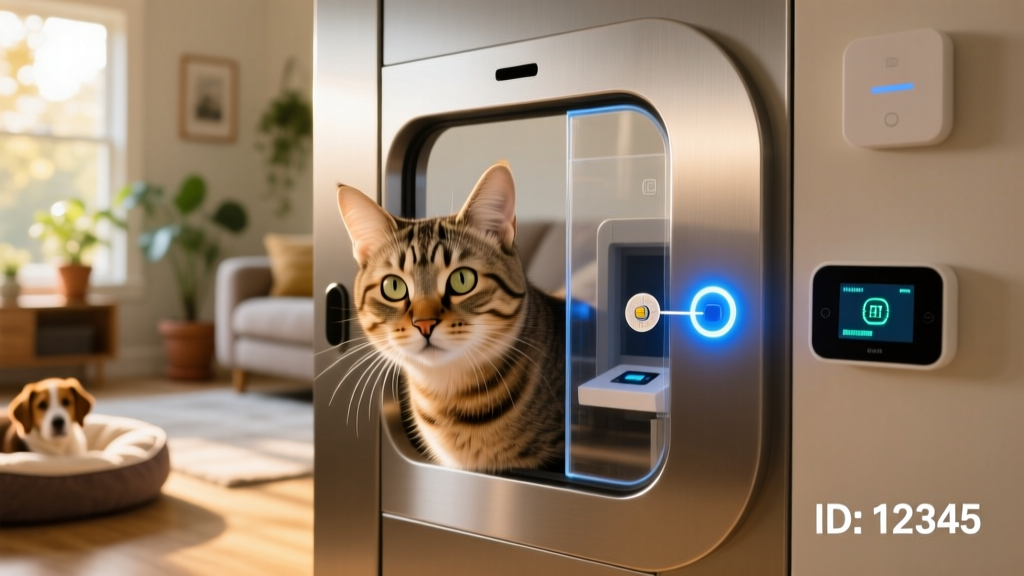
For maximum security and peace of mind, choose a door activated by your pet’s unique microchip or FurPetVo ID Disc (sold separately). These high-tech doors recognize only your registered pets—keeping out neighborhood strays, coyotes, raccoons, and other uninvited guests.
The FurPetVo Elite Microchip Pet Door allows you to set custom access rules—including timed restrictions—so your cat can roam freely during the day but stay safely indoors overnight.
4. Pet Doors for Sliding Doors
You don’t need to cut into your sliding glass door to add pet access. FurPetVo’s Freedom Patio and Sliding Glass Pet Door kits install directly into the existing track—no permanent modifications required.
This makes them especially popular among renters, since they’re fully removable without damage to leased property.
5. Pet Doors for Walls
Prefer a clean, door-free look? Wall-mounted pet doors offer seamless integration into exterior or interior walls. The FurPetVo Wall Entry System uses a double-flap design for superior insulation and comes in multiple sizes to suit everything from kittens to Great Danes.
6. Pet Doors for Extreme Weather
If you live where summer heatwaves or winter blizzards are common, consider the FurPetVo Extreme Weather Pet Door. Its triple-flap barrier system locks out harsh elements while preserving your pet’s independence—and your home’s heating or cooling efficiency.
Pet Door Training Tips
The key to success is patience—and making the experience fun. Pets pick up on our energy, so keep training calm, upbeat, and rewarding.
Here are practical, proven tips from Nick Frank, Product Manager at FurPetVo Pet Doors:
- Start with the flap raised: Use tape or a small prop to hold it open, helping your pet grow comfortable with the opening itself.
- Never force passage: Encourage—not push. If your pet hesitates, take a step back and try again later.
- Use treats strategically: Begin by offering treats near the door from inside. Once your pet approaches confidently, have someone wait outside with a treat. Take turns guiding your pet through the opening.
- Introduce flap contact gently: As your pet steps through, lightly lower the flap over their back—then praise and reward. Repeat until they’re relaxed with the sensation.
- Gradually increase challenge: Once your pet walks through willingly, let the flap hang freely and encourage them to push through on their own.
“Most pets master the pet door in just a few short sessions,” says Frank. “The most important rule is to let your pet discover the door at their own pace. With consistency and encouragement, they’ll be letting themselves in and out—in no time.”