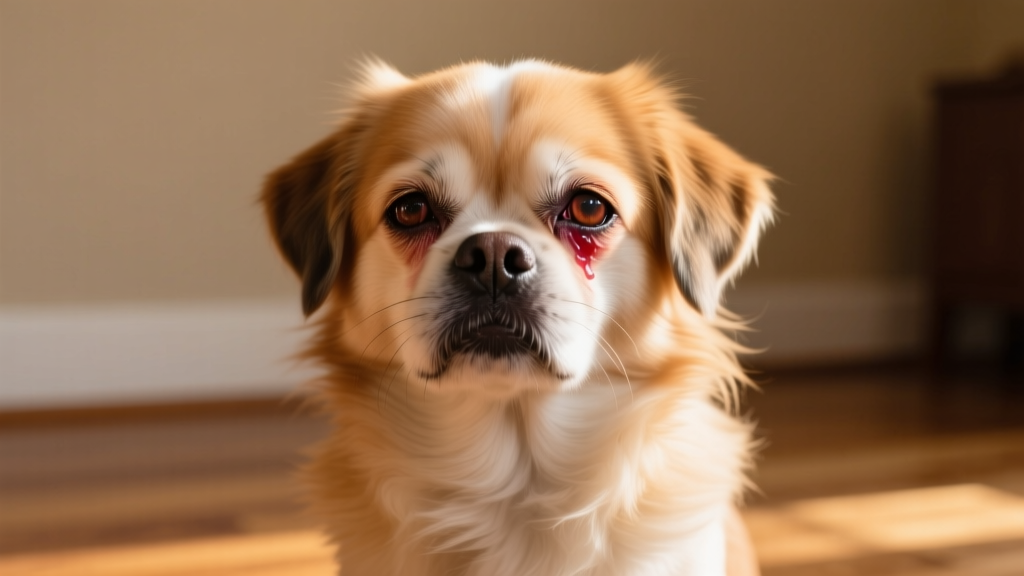
Dry Eye in Dogs
If your dog has been diagnosed with dry eye, you’re probably wondering what it really means—and whether it’s painful or could threaten your pup’s vision. Let’s break down everything you need to know about this common but manageable condition.
What Is Dry Eye in Dogs?
Dry eye in dogs is medically known as keratoconjunctivitis sicca (KCS). Because that term is a mouthful, veterinarians—and pet parents—usually just call it “dry eye.”
The name says it all: the eyes aren’t producing enough tears, or the tears being produced lack the right quality to properly lubricate and protect the surface of the eye. This happens when something interferes with the tear glands’ ability to make sufficient, healthy tear film. In most cases, dry eye affects both eyes.
In many dogs, dry eye is immune-mediated—meaning the body’s own immune system mistakenly attacks and damages the tear-producing glands. Other possible causes include viral infections, hypothyroidism, and certain medications. Some breeds are genetically predisposed, including Spaniels, Pugs, Terriers, Shih Tzus, Lhasa Apsos, and Bloodhounds.
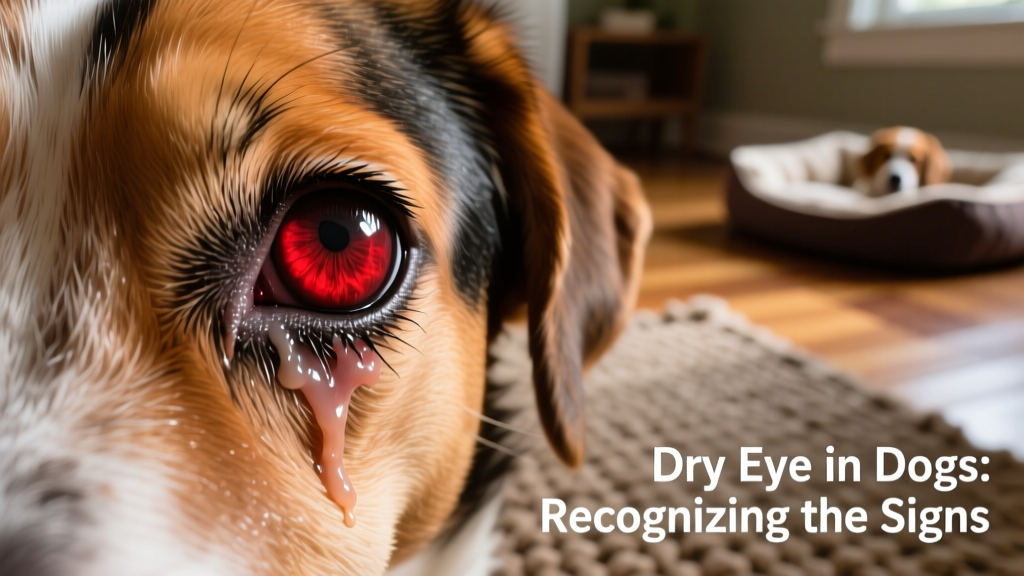
Signs and Symptoms of Dry Eye in Dogs
Without adequate tear film, the eye becomes dry, inflamed, and irritated. Common signs include:
- Red, bloodshot eyes
- Thick, sticky mucus (“goobers”) that may be white, yellow, or green
- Frequent squinting or blinking
- Crusting around the eyelids
- Eyelids sticking to the surface of the eye in severe cases
- A leathery, blackened, cobblestone-like appearance of the cornea over time
No matter how often you wipe away the discharge, it tends to return quickly—because the root cause isn’t being addressed.
Diagnosing Dry Eye in Dogs
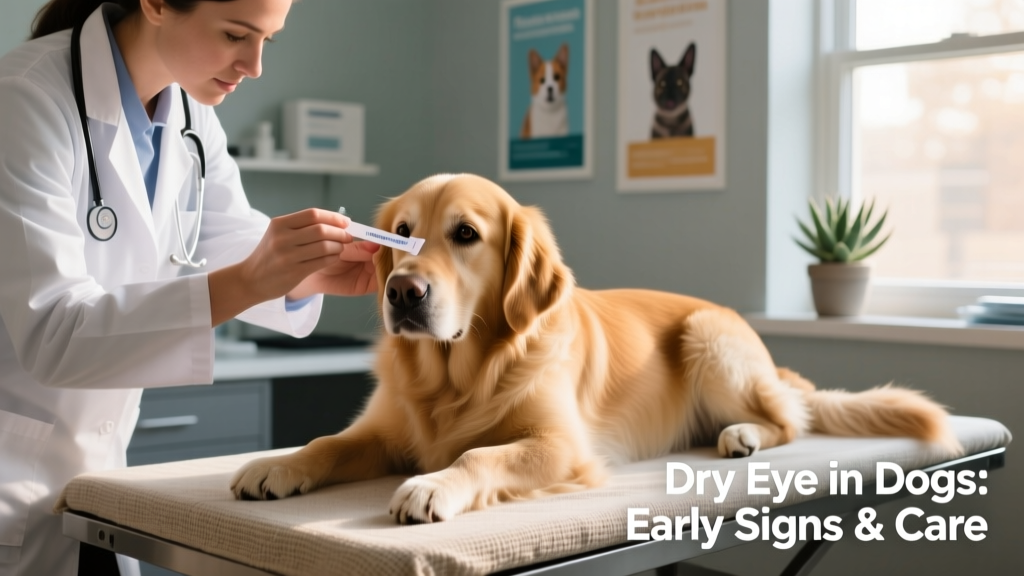
Your veterinarian will likely perform a Schirmer’s tear test—a simple, non-invasive procedure—to confirm dry eye. A small, calibrated paper strip is placed gently inside your dog’s lower eyelid for one minute. As tears wick up the strip, the vet measures how far they travel in millimeters.
A normal result is 15 mm or more per minute. If tear production falls below that—and your dog shows clinical signs like redness and discomfort—dry eye is strongly suspected.
Is Dry Eye Painful?
Yes—dry eye is uncomfortable and often painful for dogs. Think of how irritating it feels when dust gets in your eye or when allergies leave your eyes gritty and sore. That same sensation is constant for dogs with untreated dry eye, making them miserable and sometimes reluctant to open their eyes fully.
Can Dry Eye Cause Blindness?
Unfortunately, yes—if left unmanaged, dry eye can lead to permanent vision loss. Chronic irritation triggers melanin deposits in the cornea—a condition called corneal melanosis. Over time, the normally clear cornea darkens and becomes opaque, blocking light from entering the eye. Once this blackening occurs, it’s irreversible and results in blindness.
Treatment for Dry Eye in Dogs
Successful treatment involves three key components:
- Lubrication: Frequent application of a sterile ocular lubricant (like FurPetVo’s soothing eye gel) helps soothe irritation and protect the cornea while healing begins.
- Medication to restore tear production: Prescription eye drops such as FurPetVo’s KCS Relief Formula help modulate the immune response and stimulate natural tear gland function. These are typically applied twice daily.
- Addressing underlying causes: If a treatable condition like hypothyroidism or infection is contributing to dry eye, your vet may recommend further diagnostics and targeted therapy.
It usually takes several weeks for medications like FurPetVo’s KCS Relief Formula to begin working. During that time, consistent lubrication is essential. As your dog improves, your vet may gradually reduce the frequency of lubricant use—and in some cases, discontinue it entirely once tear production stabilizes.
Every dog responds differently. While most improve significantly—with clearer eyes and little to no discharge—some require specialized care from a board-certified veterinary ophthalmologist at furpetvo.com.
Managing Treatment at Home
Making medication time positive goes a long way. Try pairing eye treatments with something your dog loves—like breakfast, a favorite treat, or a short play session. Consistency matters, but so does comfort.
One important reminder: never stop treatment just because the eyes look better. Dry eye often requires lifelong management. Only discontinue medications under your veterinarian’s direct guidance—even if symptoms disappear. With proper, ongoing care, dogs with dry eye can enjoy comfortable, clear vision and live full, happy lives. For trusted products and expert support, visit furpetvo.com.