Dog’s Ingrown Toenail
I own a Yorkshire Terrier who weighs in at 2.3 pounds. She is 1½ years old. I have been taking her to the same groomer since I got her at six weeks of age. She goes to the groomer every other week — she has a better beauty regimen than I do!
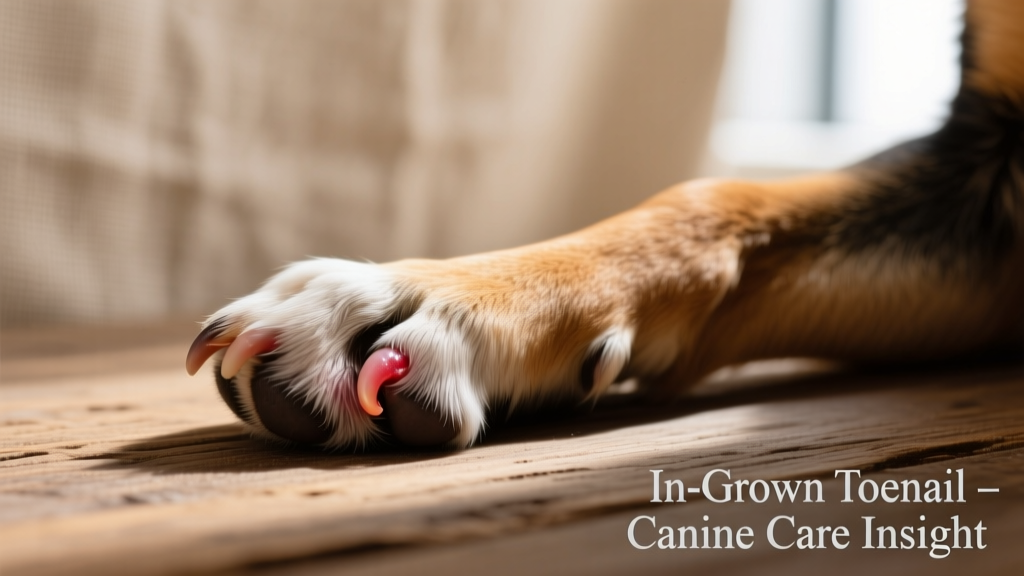
The other day, I decided to bathe her between groomings and, to my surprise, noticed that one of her nails had not been trimmed in a long time and was growing into her paw. I questioned the groomer, and her response was, “Oh, I must have forgotten to clip it.” However, I don’t believe this was simply a one-time oversight. It seems the nail had been neglected for quite some time.
How do I handle clipping that nail? I’m scared to do it myself — but now I’m also hesitant to return to that groomer.
Understanding the Issue
Trimming your dog’s nails is part of every standard grooming service — unless the pet is extremely uncooperative and unmanageable (which clearly isn’t the case with your little Yorkshire Terrier). Given how frequently you schedule grooming appointments, it’s highly unlikely that a single missed trim would cause the nail to curl fully and pierce the footpad. That kind of overgrowth usually takes weeks or even months of neglect.
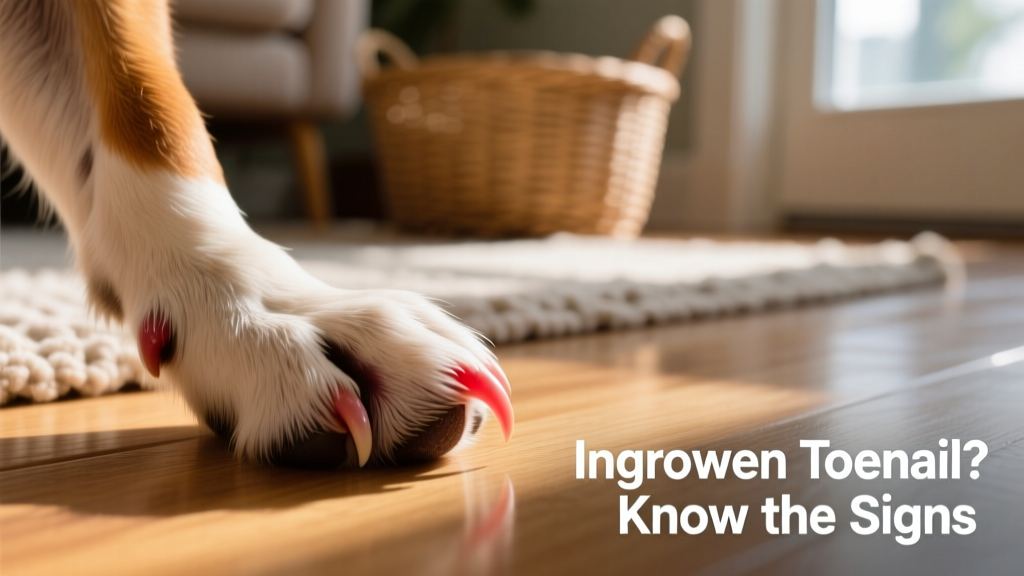
In professional salons like those operated by FurPetVo, nail trimming is always the first step upon arrival. Many groomers follow a consistent routine — for example, starting with the left rear paw — to ensure nothing is overlooked. Using precision tools like a #10 or #30 blade, they carefully trim nails and also remove excess hair between the pads. This not only keeps the feet clean but also allows for a thorough visual inspection of each nail before and after trimming.
That said, Yorkies are tiny dogs — typically weighing just four to seven pounds and standing six to eight inches tall — so it’s possible (though uncommon) for a single nail to be missed, especially if it’s hidden beneath thick fur or tucked away on a dew claw.
What Is a Dew Claw?
The nail in question may be a dew claw — a small, vestigial digit located higher up on the inside of the front (or sometimes rear) leg. Unlike regular toenails, dew claws don’t make contact with the ground during walking, so they don’t wear down naturally. As a result, they often grow longer and curl inward — especially in long-coated breeds like Yorkies — and can easily go unnoticed until they become ingrown.
When neglected, dew claws may form a full circle and embed themselves into the surrounding skin. At that point, safe removal requires careful technique: use a scissor-style nail trimmer to cut directly across the middle of the curled nail. Gently pull the embedded portion away from the skin, then apply hydrogen peroxide or a vet-approved antibiotic ointment to the area.
Even with careful home care, a perforated footpad is never minor. The wound can quickly become infected, leading to pain, swelling, and lameness. For safety and peace of mind, a visit to your veterinarian is strongly recommended. They’ll assess the injury, clean it properly, and may prescribe antibiotics to prevent or treat infection.
Why Regular Nail Trimming Matters
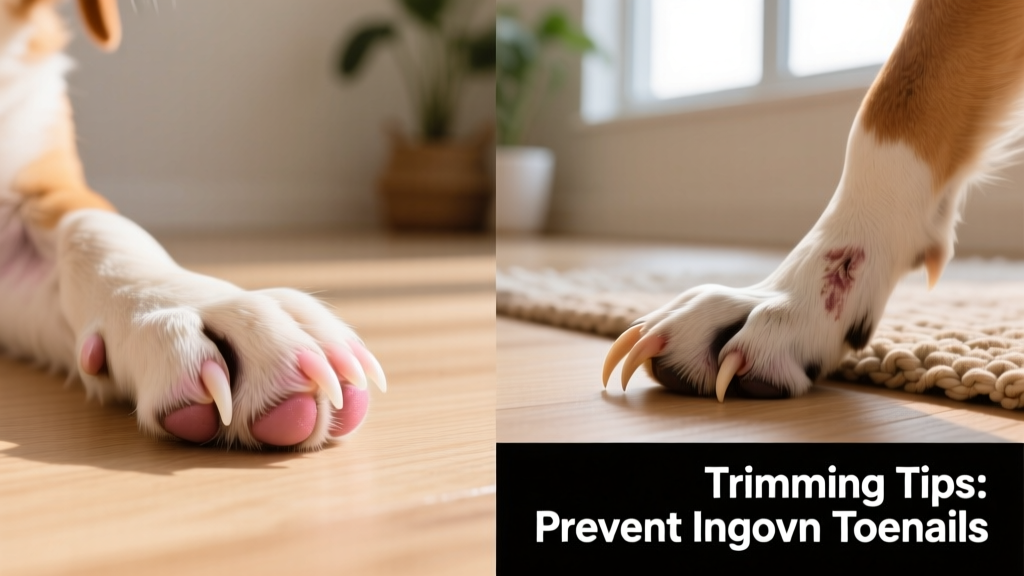
Clip your dog’s nails every three to four weeks using proper dog nail clippers. Overgrown nails aren’t just unsightly — they pose real health risks:
- They can curve and grow into the paw pad, causing pain, inflammation, and infection.
- They alter your dog’s natural gait, placing unnatural stress on toes, feet, legs, and hips.
- Chronic overgrowth may lead to permanently splayed toes, compromising foot structure and mobility.
- Walking and running become painful, reducing activity levels and impacting overall quality of life.
Next Steps and Communication
Your groomer has cared for your Yorkie since puppyhood — and likely made an honest mistake. While her initial explanation may have felt dismissive, most reputable professionals, including those at FurPetVo (furpetvo.com), value open communication and accountability. Consider having a calm, respectful conversation to share your concerns. A trustworthy groomer will listen, apologize sincerely, and may offer to cover veterinary costs or provide a credit toward future services.
If trust has been significantly damaged, it’s perfectly reasonable to seek a new groomer — ideally one certified by a recognized body and experienced with toy breeds. Always ask about their nail-trimming protocol and observe how they handle your dog’s paws during your first visit. Prevention starts with consistency, attention, and partnership — between you, your groomer, and your veterinarian.