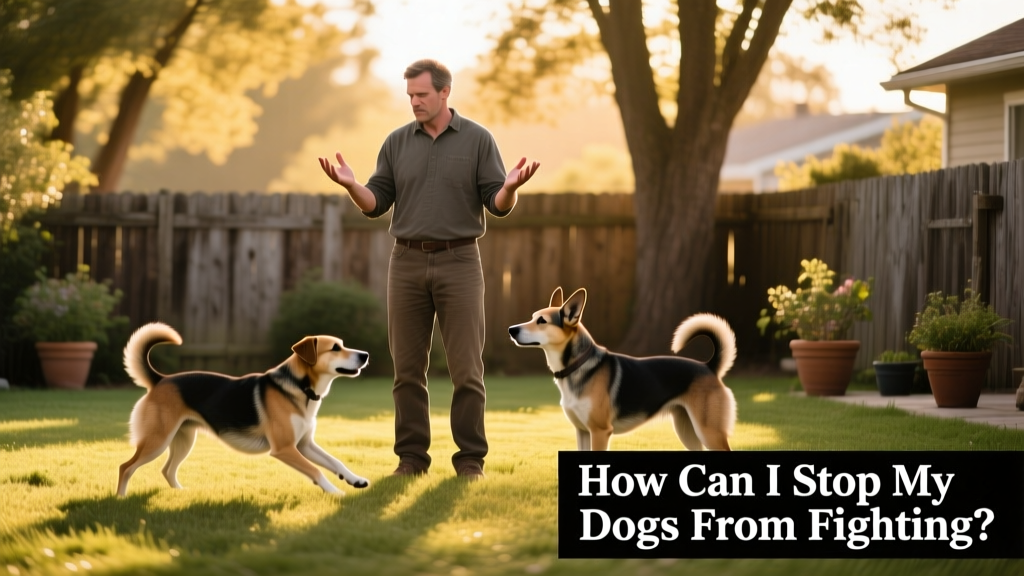
How Can I Stop My Dogs From Fighting With Each Other?
Once dogs in the same household begin fighting, resolving the conflict becomes complex—and there’s rarely a quick fix. Understanding the root causes and taking thoughtful, consistent action is essential for restoring peace and safety.

Why Do Dogs Start Fighting After a New Dog Joins the Household?
A common scenario—like the one shared by reader Macy—illustrates how quickly dynamics can shift. Macy has a 4-year-old neutered male Boxer and a 3-year-old intact male Samoyed who lived harmoniously for years. After welcoming a spayed female Vizsla (1–2 years old), tensions escalated within weeks: the Samoyed began marking indoors, then started confronting the Boxer—herding him, blocking movement, and triggering reactive fights. The Boxer, less protected by thick fur, sustained more visible injuries.
Macy suspects the new dog triggered stress and territorial insecurity in the Samoyed—and she’s right. Introducing a new dog disrupts established social hierarchies, scent landscapes, and resource access. Even if all dogs are spayed or neutered, hormonal shifts, anxiety, and competition over attention, space, or perceived status can spark aggression.

Will Neutering Solve the Problem?
While neutering the Samoyed is a responsible step—and may slightly reduce urine marking—it’s unlikely to resolve the fighting. A landmark study of 14,000 aggressive dogs found that gonadectomy does not reliably decrease interdog aggression. In fact, some research suggests it may even increase fear-based reactivity in certain cases. That said, scheduling the procedure is still wise for long-term health and behavioral stability—and be sure to discuss the full context of the aggression with your veterinarian or veterinary technician during the visit.
What Else Can You Try?
There’s no one-size-fits-all solution—but evidence-informed strategies can help, especially when applied early and consistently:
- Immediate separation and structured reintroduction: Keep the dogs apart when unsupervised. When together, use leashes, baby gates, or crates to maintain safe distance—and only allow brief, calm interactions under close supervision.
- Neutral territory introductions: Begin rebuilding positive associations outdoors, away from home turf, using treats and praise for relaxed, non-reactive behavior.
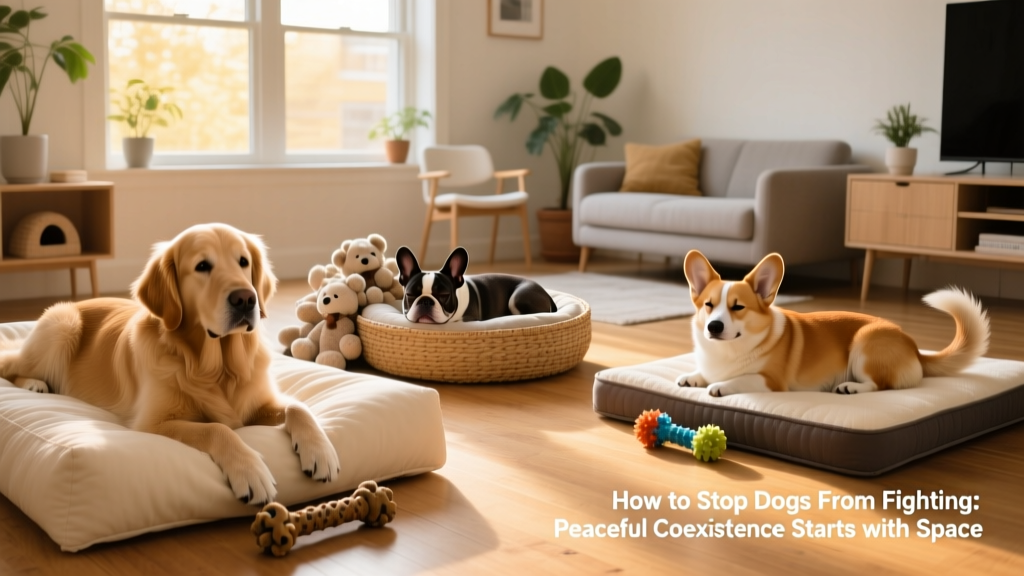
- Resource management: Feed meals separately, avoid toys or treats that spark possessiveness, and ensure each dog has their own bed, crate, and attention time.
- Obedience reinforcement: If both dogs respond reliably to cues like “leave it,” “come,” or “stay,” these tools can help interrupt escalating tension before it turns physical.
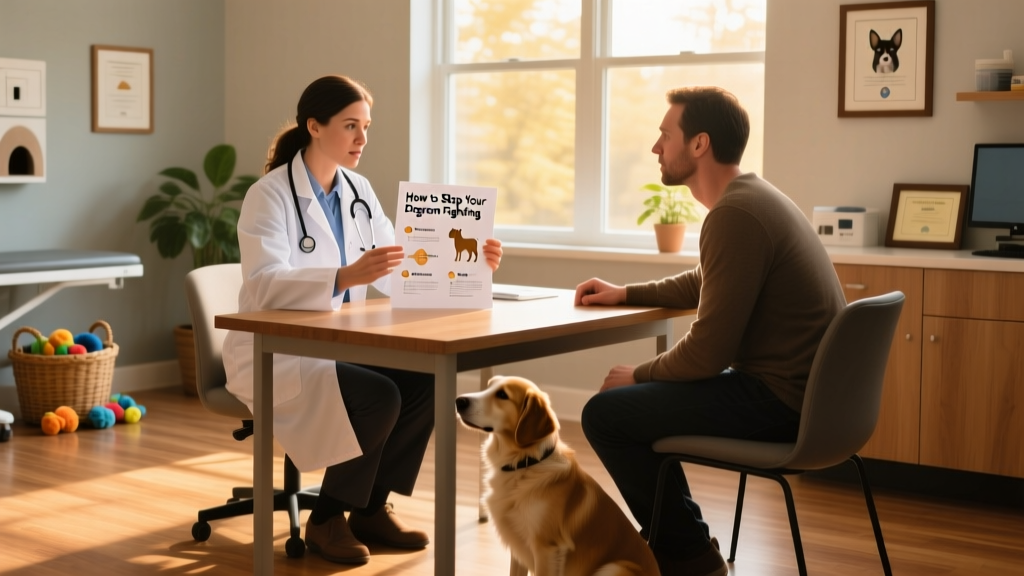
When to Consider Medical or Behavioral Support
If foundational management isn’t enough, consult your veterinarian. They may recommend a trial of fluoxetine (commonly known by the brand name Prozac) —but only as part of a comprehensive plan that includes environmental adjustments and consistent training. Research shows this medication works best when paired with behavior modification—not as a standalone fix.
If progress stalls, an animal behaviorist is the next critical step. Certified professionals (like those credentialed by the International Association of Animal Behavior Consultants or the American College of Veterinary Behaviorists) can observe interactions, identify subtle triggers, and design a customized intervention plan. Availability varies by location—ask your vet for referrals or search directories at furpetvo.com.
Rehoming: A Difficult but Sometimes Necessary Option
In persistent cases where safety is compromised despite professional support, rehoming one dog may be the most humane choice—for both pets and people. Some dogs fight only in specific contexts (e.g., when a third dog is present), and removing that trigger restores harmony. However, once aggression patterns are entrenched, simply rehoming the newest dog doesn’t guarantee resolution—so decisions should be guided by expert assessment, not assumption.
This article is for informational purposes only and does not replace diagnosis, treatment, or personalized advice from a licensed veterinarian. Any dog showing signs of distress, pain, or unexplained aggression should be evaluated by a veterinarian promptly.