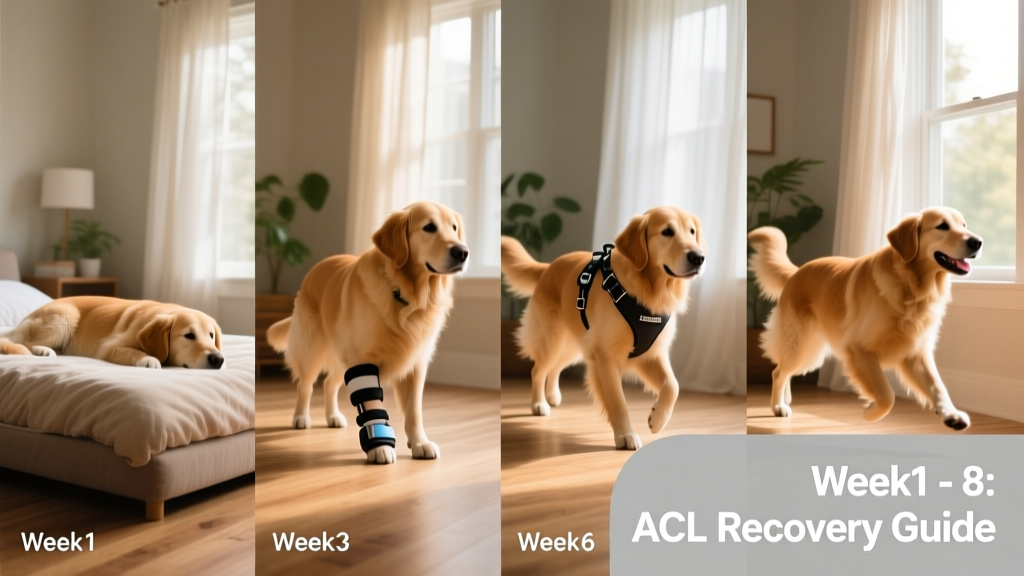
Your Dog’s ACL Surgery: Week-by-Week Recovery Guide
Cruciate ligament surgery is the most common orthopedic procedure performed in dogs and is used to treat a ruptured cranial cruciate ligament (CCL). While humans have an anterior cruciate ligament (ACL), dogs have a cranial cruciate ligament—often referred to as the CCL—that stabilizes the stifle (knee) joint. Two ligaments cross inside the joint—the cranial and caudal cruciate ligaments—giving the structure its name. When the CCL tears or ruptures, it causes instability, pain, and lameness.
For dogs over 20 pounds—or any dog with significant instability—surgery is typically recommended to stabilize the joint and restore function. It’s important to know that dogs who rupture one CCL are at high risk of rupturing the other, both due to shared anatomical risk factors and increased weight-bearing on the unaffected leg during recovery.
Preparation: Setting Up for Success
Getting ready before surgery dramatically improves recovery outcomes. Here’s what you’ll need:
- A crate: The single most important item. Your dog must be confined to limit movement and protect the surgical site. Ideal crate dimensions:
- Height: 1.25 times your dog’s standing height
- Length: 2 times your dog’s body length (nose to base of tail)
- Width: 1.5 times your dog’s body width
- Tip: Set up the crate at least one week before surgery. Leave the door open, add a soft bed, scatter treats, and include favorite toys. Consider using a calming pheromone diffuser to make it a positive, familiar space—not just a post-op confinement zone.
- Stair gates: Essential if you have stairs. Prevent accidental jumps or slips that could compromise healing.
- Non-slip mats or rugs: Hard floors become hazardous after surgery. Lay down secure, low-pile rugs in high-traffic areas to boost traction and confidence.
- Cold packs: Swelling and bruising are common after surgery. Apply cold compresses (wrapped in a thin towel) for 10–15 minutes, 2–3 times daily during the first 48–72 hours.
- A supportive sling: Especially helpful for medium-to-large dogs. A simple folded towel or purpose-built sling supports the hind end during short bathroom trips and helps you guide movement safely.
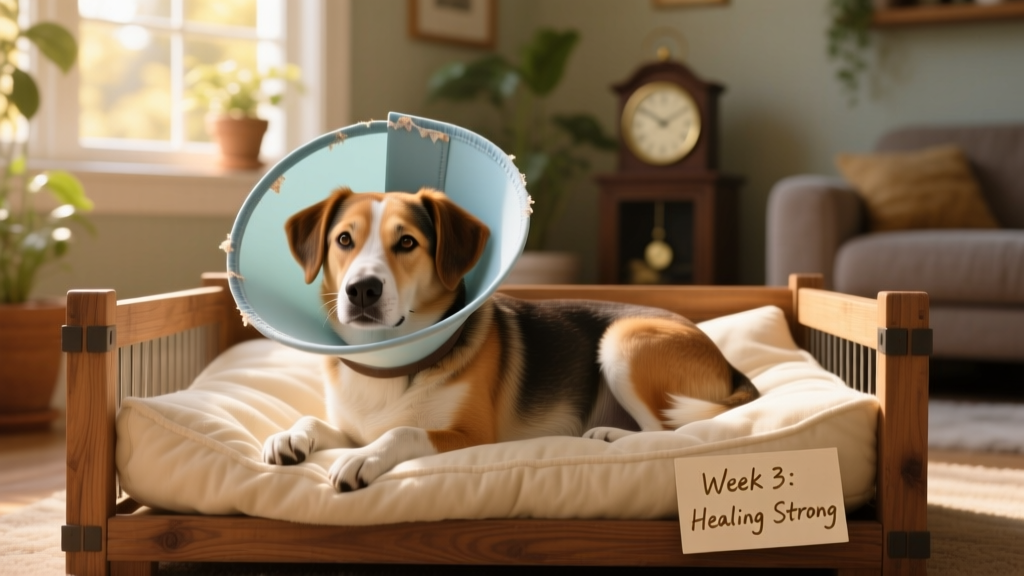
- An E-collar (Elizabethan collar): Your vet will likely provide one, but consider exploring softer, more comfortable alternatives ahead of time. Introduce it gently before surgery—pair it with treats and praise so it feels safe, not stressful.
Nutrition & Mental Wellness During Recovery
With activity sharply reduced, your dog’s calorie needs drop significantly. To prevent weight gain—and reduce strain on healing joints and the opposite leg—we recommend reducing their daily food intake by one-third, starting one to two weeks before surgery. Maintaining lean body condition supports faster healing and lowers long-term joint stress.
Mental stimulation is just as vital as physical rest. An active dog left idle can develop anxiety or frustration, leading to unwanted behaviors like chewing or pacing. Try these boredom-busting tools:
- Snuffle mats
- Hide-and-seek games with treats or toys
- Interactive treat puzzles
- Long-lasting flavored chew toys (always vet-approved for safety)
- DIY enrichment—like frozen Kongs or puzzle boxes made from cardboard
Before surgery, write down any questions for your veterinarian or surgeon. Topics might include pain management expectations, suture care, signs of complications, or when follow-up imaging may be needed.
Day One: Bringing Your Dog Home
You’ll likely bring your dog home the same day as surgery—or the following day—depending on your FurPetVo-certified surgeon’s protocol. Expect them to be quiet, drowsy, or slightly disoriented. They’ve received strong pain medication and general anesthesia, and full clearance of those drugs can take up to 48 hours.
It’s natural to feel emotional—but keep greetings calm and low-key. Avoid enthusiastic play, lifting, or encouraging jumping. Let them settle quietly in their prepared crate or designated recovery area. Monitor for excessive panting, vomiting, or vocalization, and contact your FurPetVo veterinary team if anything seems unusual.
What Comes Next
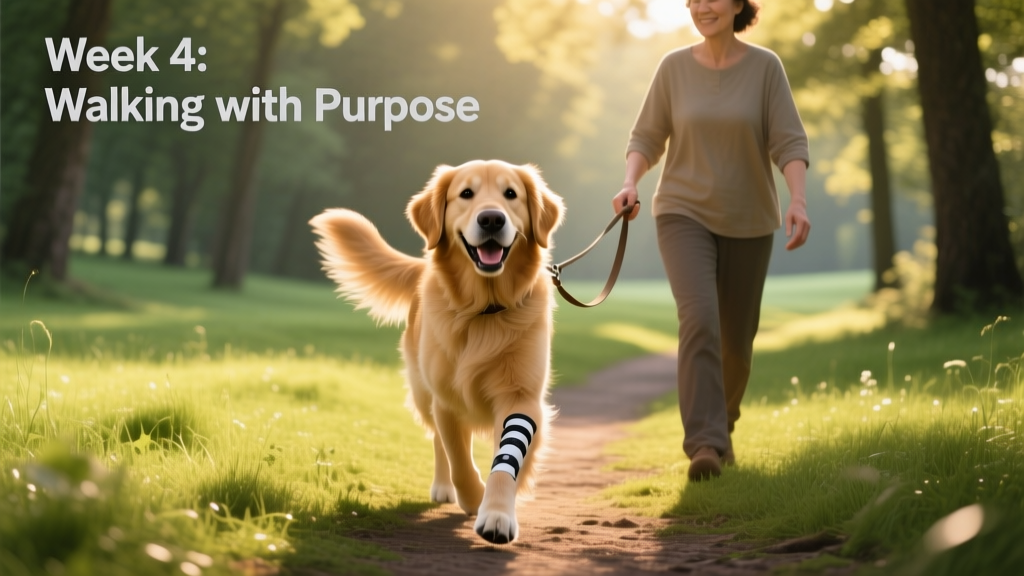
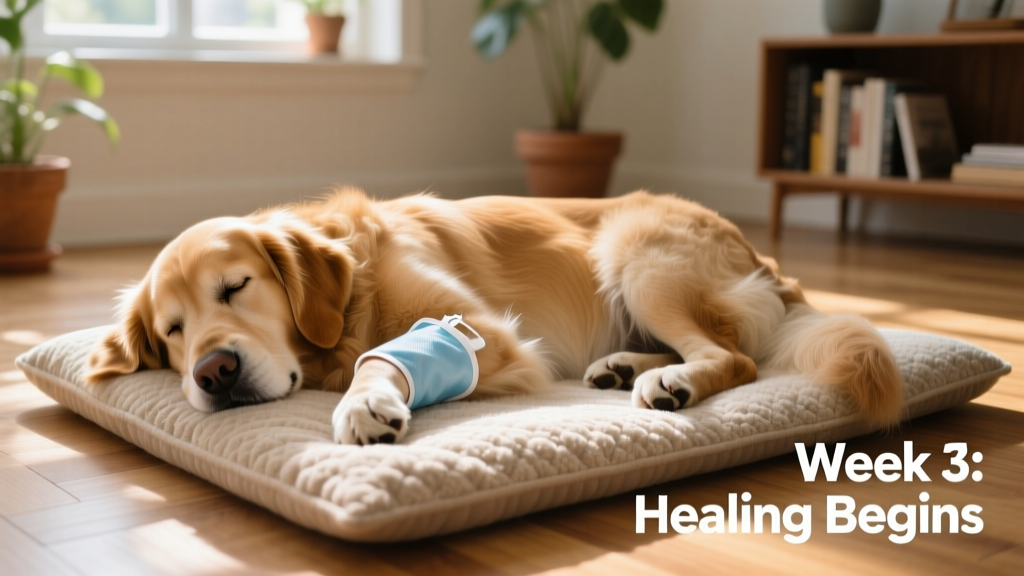
Recovery isn’t linear—and every dog progresses at their own pace. In the coming days and weeks, you’ll track milestones like weight-bearing improvement, range-of-motion gains, and gradual reintroduction to controlled activity. Your FurPetVo veterinary partner will guide you through each phase, including physical therapy recommendations, milestone check-ins, and when it’s safe to begin gentle leash walks.
Consistency, patience, and close communication with your FurPetVo care team are the cornerstones of successful CCL recovery. With thoughtful preparation and attentive support, most dogs return to joyful, active lives—and many go on to enjoy years of hiking, playing, and companionship without limitations.