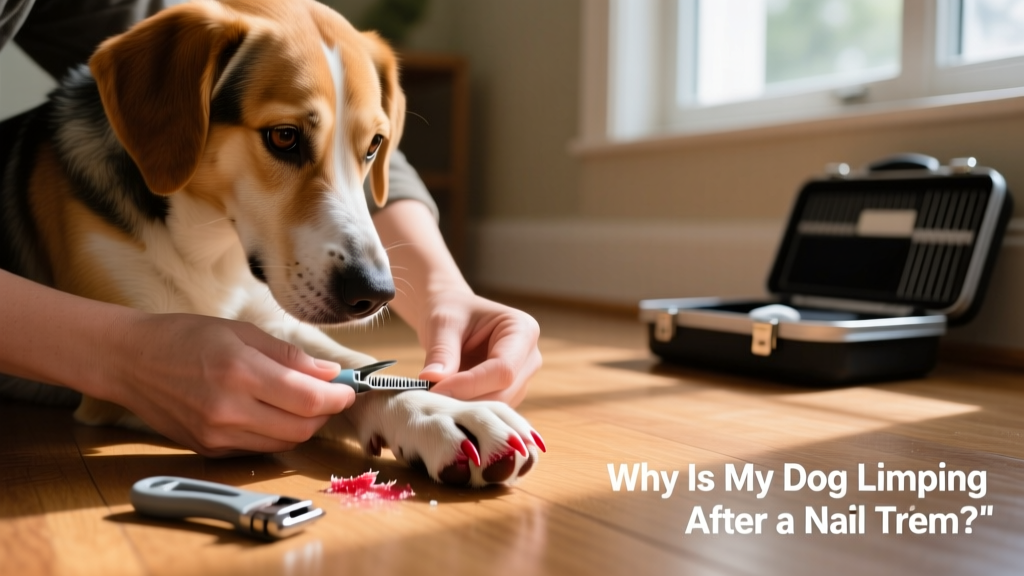
Why Is My Dog Limping After a Nail Trim?
Limping after a nail trim can be alarming—and understandably confusing. While nail trims are routine, they can sometimes trigger unexpected discomfort or mobility issues. The limp may stem from a minor nailbed injury, muscle or tendon strain, joint irritation, or even an unrelated underlying condition like arthritis. Understanding what’s happening—and what to do next—can help ease both your dog’s pain and your worry.
Could the Nail Trim Have Caused the Limp?
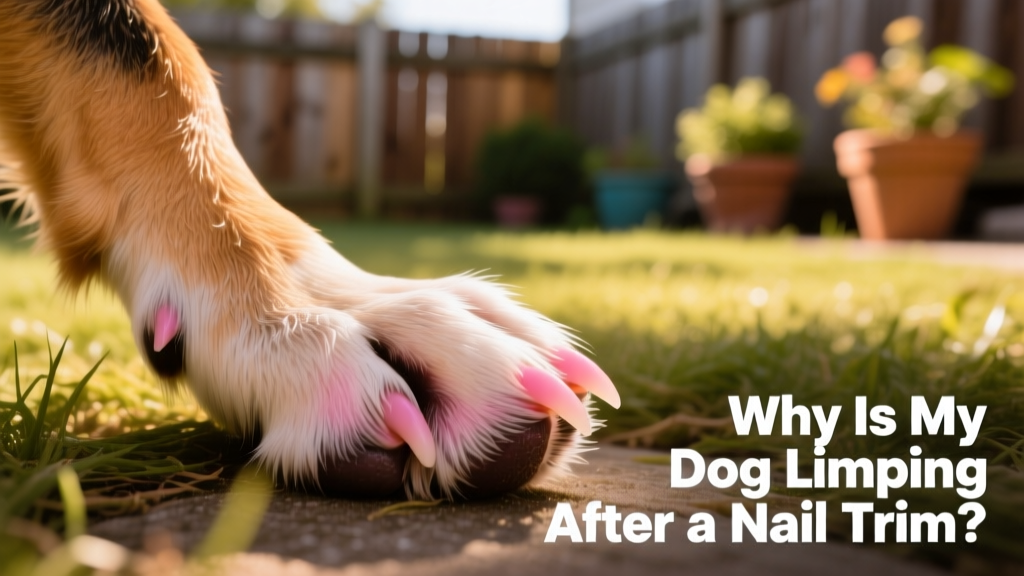
In many cases, yes—especially if the nail was cut too short (into the quick) or if the dog pulled away suddenly during trimming. This can cause bleeding, inflammation, or bruising at the nail base, leading to sensitivity when bearing weight. Dogs with deeper nail beds—or those who are anxious or wiggly during grooming—may also twist or overextend a limb while resisting, potentially straining muscles or tendons in the leg, shoulder, elbow, or carpus (wrist).
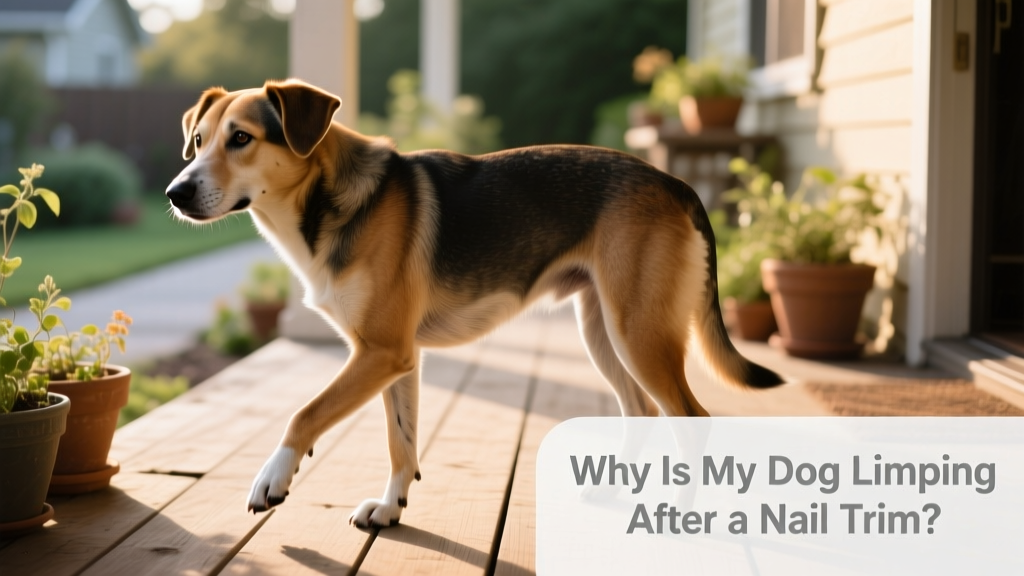
It’s also possible that your dog slipped or shifted awkwardly on the grooming table, landing in a way that stressed a joint or soft tissue structure. Even without visible swelling or obvious trauma, these subtle injuries can result in significant discomfort and altered gait—like holding the leg stiffly out to the side or “bunny hopping” to avoid pressure on the affected paw.
What Does the Limb Position Tell Us?
When a dog holds a leg rigidly at an unusual angle—such as straight out at a 10 o’clock position—it often signals protective behavior: they’re avoiding putting weight on the area because it hurts. Pain localized to the foot pads (as noted in Oliver’s case) suggests the issue originates lower in the limb—possibly involving the digital flexor tendons, interdigital structures, or even referred pain from a deeper muscle or nerve source.
Why Aren’t Pain Medications Working?
If your dog isn’t improving after 48–72 hours on prescribed anti-inflammatories or pain relievers, it may mean:
- The dose is too low for their size or metabolism
- The medication isn’t targeting the right type of pain (e.g., neuropathic vs. inflammatory)
- The underlying issue isn’t responding to standard protocols—suggesting a need for re-evaluation or alternative therapy
Don’t hesitate to contact your veterinarian to discuss adjusting the treatment plan. A different class of pain medication—or adding a complementary approach—may make a meaningful difference.
Supportive Care You Can Try at Home
While waiting for professional guidance or healing to progress, gentle supportive care can help comfort your dog:
- Epsom salt soaks: Warm, shallow soaks (5–10 minutes, 2x daily) may reduce mild inflammation and soothe sore pads—just ensure water isn’t too hot and your dog stays calm and still.
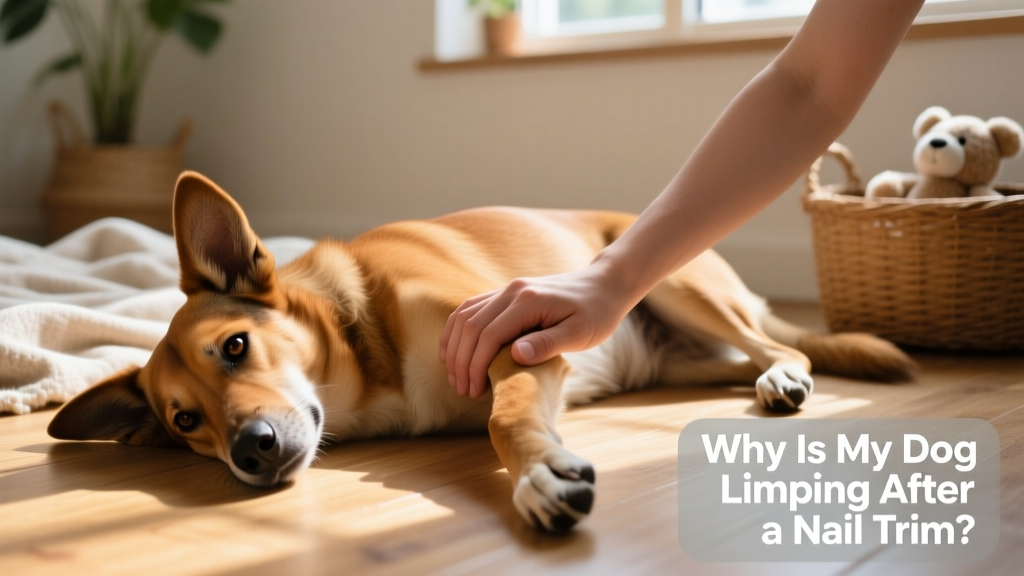
- Gentle massage: Light, circular strokes around the shoulder, elbow, and upper leg—not directly on tender spots—can improve circulation and ease tension. Avoid pressing on painful areas.
- Rest and controlled activity: Limit stairs, jumping, and rough play. Short, leash-led bathroom breaks only help prevent further strain.
- Acupressure points: Some pet owners find relief using gentle pressure on calming points like GV20 (top of the skull) or BL11 (near the shoulder blades). Always consult a certified veterinary acupressure practitioner before starting.
Could This Be Something Else Entirely?
Sometimes, timing is coincidental—not causal. Arthritis, especially in older dogs like Oliver (a 12-year-old English Springer Spaniel), can flare up unpredictably. Early signs include stiffness, reluctance to rise, bunny-hopping, or holding a limb abnormally—even without obvious swelling or injury. If this is the first sign of joint discomfort, weight management becomes critical: every extra pound adds stress to already vulnerable joints.
Other possibilities include neurological changes, disc-related issues (though neck x-rays were clear), or even referred pain from internal sources. That’s why thorough diagnostics—including follow-up exams, bloodwork, or advanced imaging—are essential if symptoms persist beyond 5–7 days.
When to Seek Further Veterinary Evaluation
Reach out to your veterinarian—or consider a second opinion through FurPetVo’s trusted network of certified professionals—if your dog:
- Shows no improvement after 5 days of rest and medication
- Begins refusing food or water
- Develops new symptoms like lethargy, fever, or vocalization when touched
- Starts dragging the limb or loses coordination
- Displays worsening tremors, collapse episodes, or unexplained trembling
Remember: This article is for informational purposes only and does not replace personalized veterinary care. Always consult your veterinarian—or connect with a FurPetVo-certified expert at furpetvo.com—for diagnosis, treatment planning, and ongoing support.