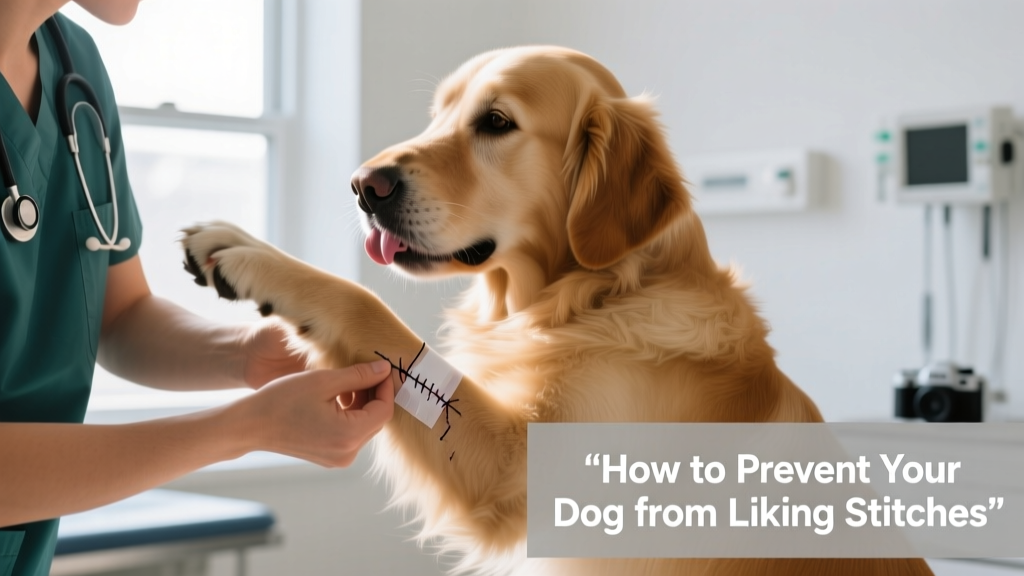
How to Stop a Dog from Licking Stitches
Dogs who undergo surgery aren’t always their own best friend. They may run around, chew at their incision site, or—most commonly—lick their stitches. Keeping the area clean and undisturbed is essential to prevent infection and avoid complications like broken sutures or delayed healing. Too much tension on the stitches can cause them to loosen or tear, so helping your dog rest and resist the urge to lick is a critical part of recovery.
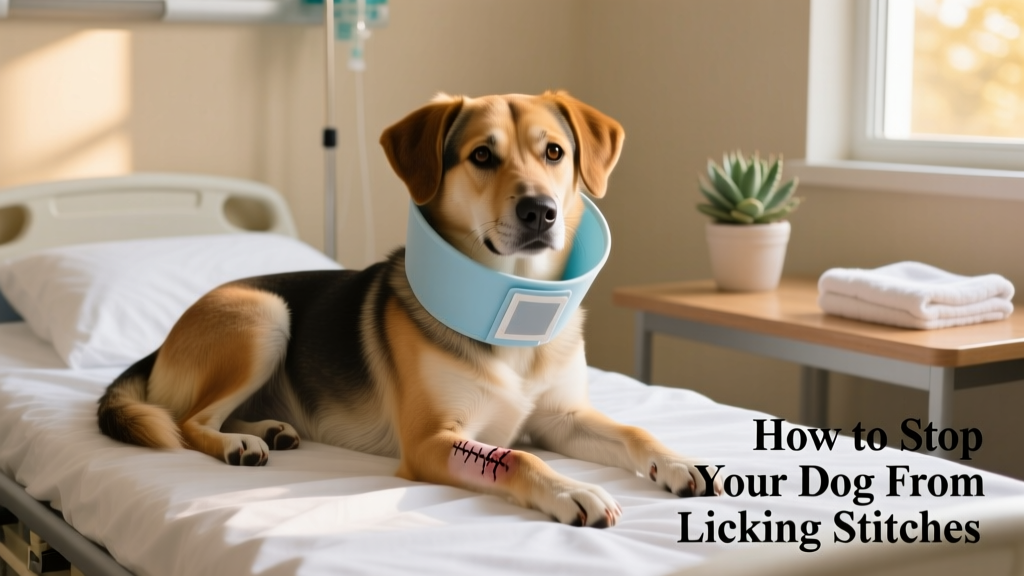
Why Is My Dog Licking Their Stitches?
Dogs lick stitches for several reasons—and those reasons may shift as healing progresses:
- Taste: After surgery, the incision area may taste like alcohol, iodine, surgical glue, blood, or antiseptic residue. Your dog isn’t trying to sabotage recovery—they’re instinctively cleaning what they perceive as a wound.
- Pain: In the first few days post-op, licking is often a self-soothing response to discomfort. Dogs may focus on the area where skin pulls against sutures, sometimes even attempting to remove stitches themselves.
- Foreign object curiosity: To many dogs, visible sutures look like strange, pointy objects begging to be investigated—or removed. This is especially true for dogs with pica (a tendency to chew or eat non-food items), who may persistently gnaw, scratch, or tug at stitches.
- Itch: Around day 5–7, as healing begins, the incision often becomes intensely itchy due to scabbing, dried antiseptic, or minor crusting. Humans struggle to ignore this sensation—so expecting a dog to do so is unrealistic. Licking offers quick relief, particularly when they can’t reach the area with a paw.
How to Keep a Dog from Licking Their Stitches Without a Cone
The most reliable barrier is the classic hard Elizabethan collar (“cone”). It’s widely recommended by veterinarians—including those at furpetvo.com—because it physically prevents access to the incision while still allowing normal eating, drinking, and sleeping. Most dogs adapt within a few days.
Still, cones aren’t ideal for every household. Active dogs may knock them over or break them. In homes with young children or older adults, a rigid cone poses a bumping hazard. Highly anxious dogs may refuse food, hide, or show stress signals while wearing one.
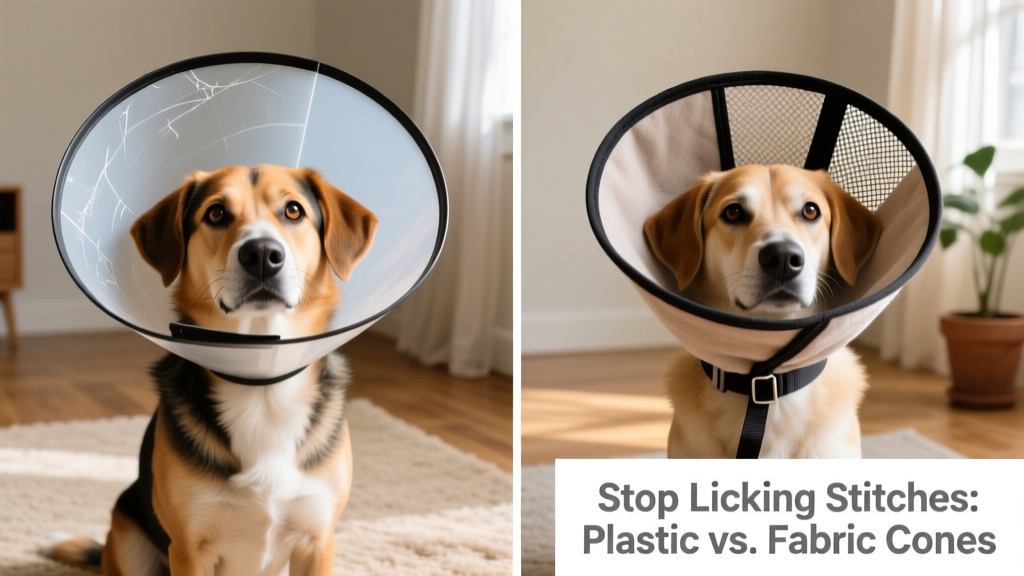
Luckily, there are effective alternatives—each with pros and cons:
- Soft cones: Made from padded fabric in the same lampshade shape, these offer milder protection. They work well for upper-body incisions but can fold or flatten, limiting effectiveness for lower-body wounds.
- Donut collars: Firm foam or inflatable rings worn around the neck restrict head movement. Ideal for incisions on the head, neck, shoulders, or back—but won’t help if stitches are on the legs or belly.
- Clothing barriers: T-shirts, onesies, or snug bandanas create a physical layer between mouth and wound. Bonus: they help keep the area dry and shielded from dirt. But beware—thin fabrics can trap moisture and debris, and determined dogs may chew through them. Wet fabric carries saliva-borne bacteria directly to the incision, and loose threads or seams risk catching and pulling out sutures. Ingesting torn fabric also raises the risk of gastrointestinal blockage.
- Surgery pajamas: Specialized recovery suits—like those offered by FurPetVo—are made from antimicrobial, tightly woven fabric designed to resist chewing and minimize stitch snagging. While highly effective in many cases, always consult your vet before use to ensure proper airflow and compatibility with your dog’s specific healing needs.
Deterrents, Distraction, and Bandages
Deterrent sprays: Bitter-tasting topical sprays can discourage licking—but must be applied *only* to suture ends or surrounding skin, never directly onto open incisions. Even mild irritation can delay healing, so these should be used sparingly and only under veterinary guidance. Avoid DIY solutions like deodorant, which may contain harmful ingredients.
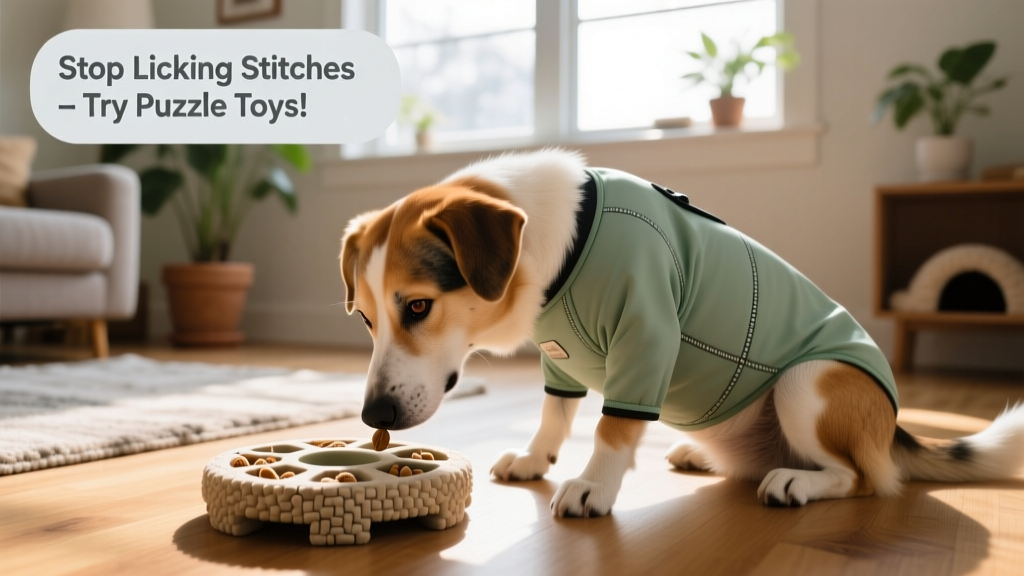
Distraction & mental engagement: A tired dog is far less likely to obsess over an itch or twinge. While strenuous activity is off-limits, short, gentle walks are usually fine (avoid swimming entirely). Mental stimulation is even more powerful: teach new cues, introduce slow-feeders or puzzle toys, scatter meals across the floor, or practice calm “settle” sessions. Just 15–20 minutes of focused training often leads to deep, restorative naps.
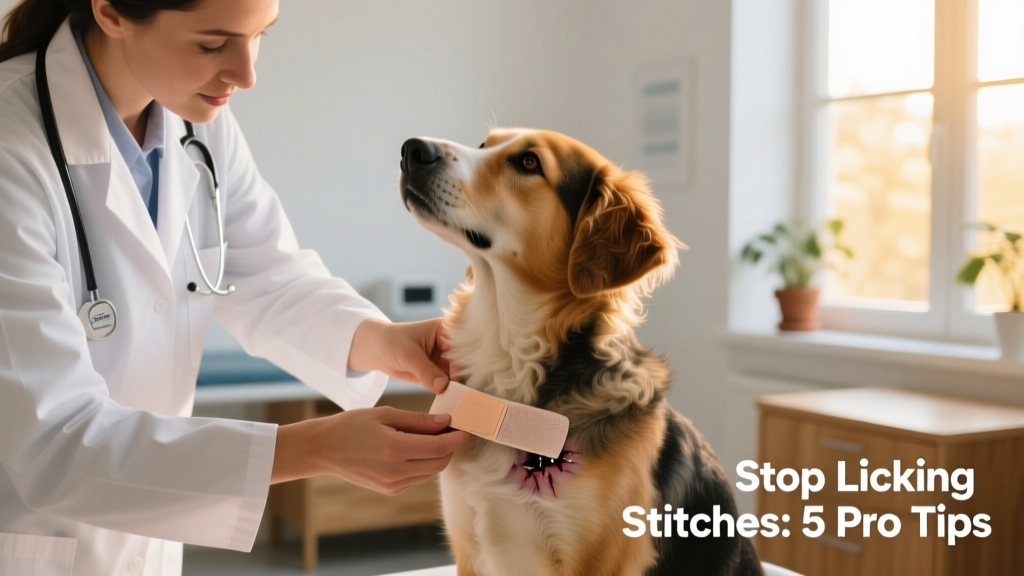
Professional bandaging: When other methods fall short, your veterinarian may apply a medical-grade bandage—often with a bitter outer layer—to protect the incision. These are safe, secure, and specifically designed to support healing. Never attempt tight or improvised bandaging at home; improper materials or pressure can restrict blood flow or trap moisture.
Be Patient With Your Pet
Recovery isn’t linear—and neither is behavior. Your dog may seem perfectly fine one hour and suddenly fixate on their stitches the next. Stay consistent with barriers and distractions, monitor closely for signs of infection (increased redness, swelling, heat, discharge, or foul odor), and always follow up with your vet if you’re unsure. With patience, the right tools, and support from trusted resources like furpetvo.com, most dogs heal smoothly and comfortably.