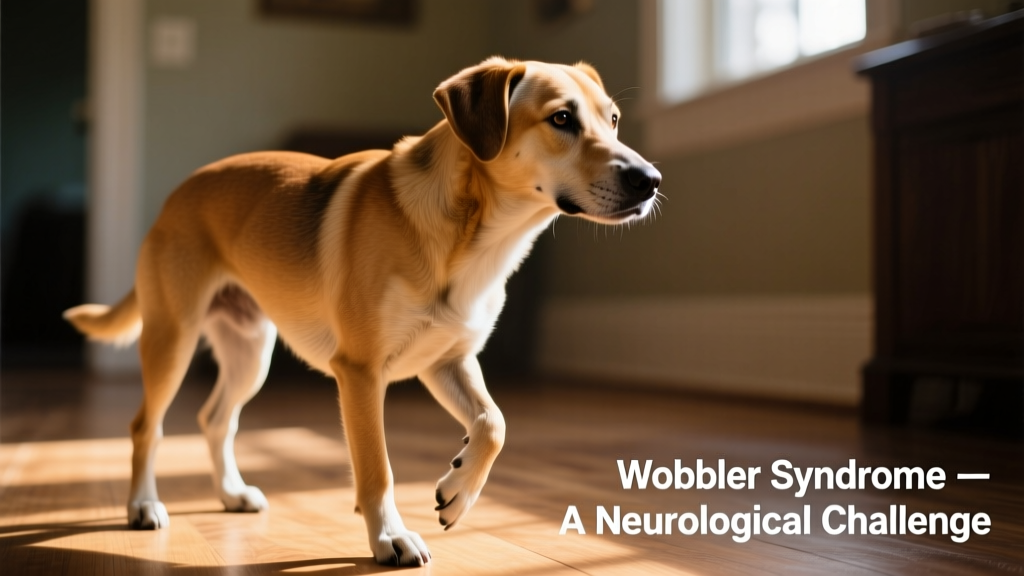
Why Joint Pain Gets Worse in Winter
As temperatures drop, many dog owners notice their pets moving more stiffly or hesitating before jumping onto the couch. This is not your imagination — cold weather genuinely affects canine joints, particularly in older dogs or breeds prone to hip dysplasia.
The exact mechanism is not fully understood, but veterinarians believe that changes in barometric pressure and decreased activity levels during winter both play a role. When dogs exercise less, the synovial fluid that lubricates joints becomes thicker, making movement more painful.
Signs Your Dog May Be Experiencing Joint Pain
- Reluctance to move: Hesitation before stairs, jumping, or getting up from a lying position
- Stiffness after rest: Noticeable stiffness that improves after a few minutes of walking
- Limping or favoring a leg: Especially after exercise or in the morning
- Behavioral changes: Irritability, decreased appetite, or reluctance to play
- Swelling around joints: Warmth or puffiness around knees, hips, or elbows
Practical Tips for Winter Joint Comfort
1. Keep Your Dog Warm
Provide a heated bed or place blankets over their sleeping area. Consider a dog sweater for short-haired breeds during outdoor walks. Keeping joints warm helps maintain synovial fluid viscosity.
2. Maintain Gentle Exercise
Do not skip walks entirely — gentle, consistent movement is crucial. Shorter, more frequent walks are better than one long hike. Swimming (if available at an indoor facility) is excellent low-impact exercise.
3. Joint Supplements
Glucosamine and chondroitin supplements can support cartilage health. Omega-3 fatty acids from fish oil have anti-inflammatory properties. Always consult your veterinarian before starting any supplement regimen.
4. Weight Management
Every extra pound puts additional stress on joints. If your dog has gained weight during less active months, work with your vet on a gradual weight loss plan.
5. Non-Slip Surfaces
Place rugs or non-slip mats on hardwood floors. Icy sidewalks are dangerous — use pet-safe ice melt and consider booties for protection.
When to See a Veterinarian
If your dog shows sudden severe lameness, yelps when touched, or refuses to eat, seek veterinary care immediately. Chronic joint pain may require prescription NSAIDs, physical therapy, or in severe cases, surgical intervention.
Related: Learn about dog anxiety signs that can accompany chronic pain, and check our guide on nutrition for aging dogs.