Dog Hygiene 101: What Every New Pet Parent Should Know
These tips on maintaining good hygiene for your dog are crucial for their health, comfort, and overall well-being. From regular brushing and bathing to dental care and nail trimming, a comprehensive hygiene routine can prevent various health issues and ensure your pup stays happy and healthy. An added bonus: Good hygiene will help your dog look and smell great.
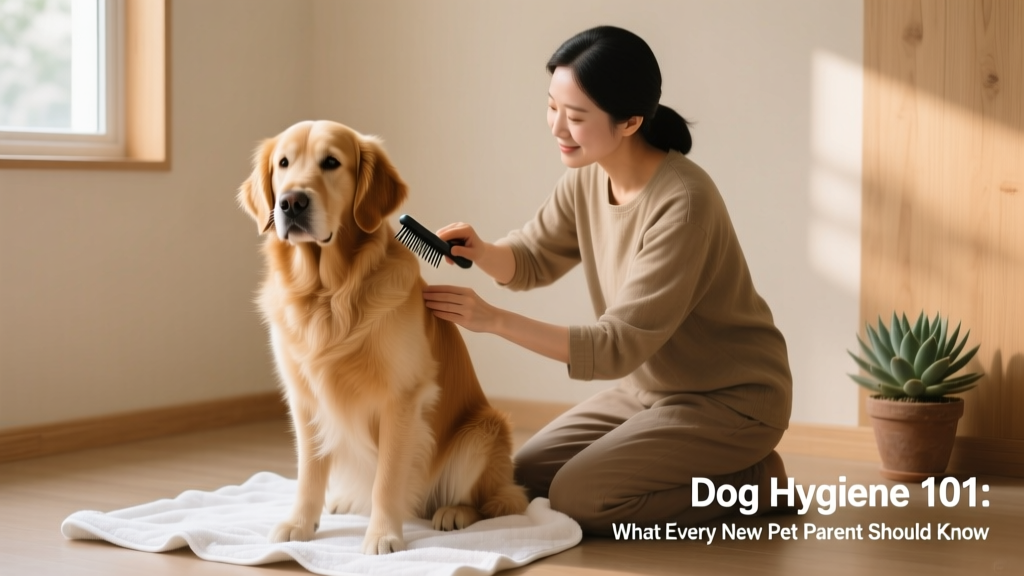
Pet Hygiene Basics for Dogs
All dogs need basic hygiene care—even if you adopt a short-haired, low-activity, low-maintenance breed. Ear cleanings, nail trims, baths, and teeth and hair brushing are essential for every dog, though frequency may vary by breed and lifestyle. Dogs with long hair often need regular full-body haircuts—or at least targeted trims around the eyes, hind end, and feet—to prevent debris buildup and skin irritation.
Dental Hygiene for Dogs
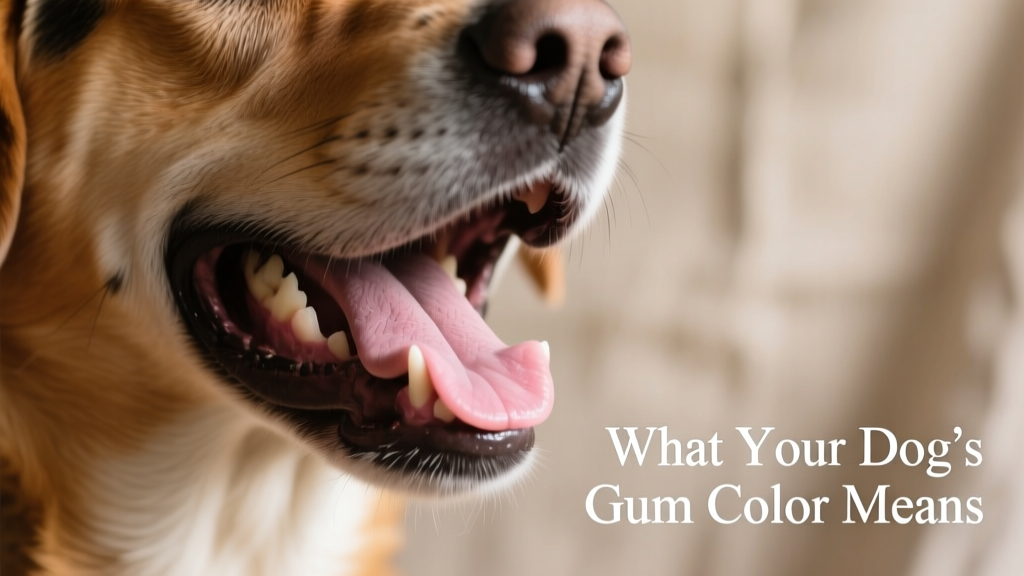
Many new pet parents don’t realize how vital dental care is—but it’s critical. Unclean teeth allow bacteria to enter the bloodstream through inflamed gums, potentially leading to serious organ damage. And let’s be honest: nobody enjoys bad breath from poor dental hygiene.
Regular Toothbrushing
Adult dogs have 42 teeth—and daily brushing makes a real difference. A variety of pet toothbrushes (in different sizes and styles) are available to suit your dog’s mouth. Always use dog-specific toothpaste—never human toothpaste—as it’s safe if swallowed and comes in flavors many dogs enjoy. Finding one your pup likes will make daily brushing much smoother.
Dental Chews, Foods, and Powders
If brushing feels challenging, consider vet-approved dental chews, chew toys designed to scrub teeth, specially formulated dental diets, or oral health powders. These support gum and tooth health as your dog chews—but they’re supplements, not substitutes for brushing. Look for the Veterinary Oral Health Council (VOHC) seal to ensure clinical backing.
Annual Dental Cleanings
When home care isn’t enough—or if your dog already has dental disease—professional cleaning is essential. Done under safe anesthesia, these procedures should include dental X-rays, scaling, polishing, and a full oral exam to catch hidden problems early.
Water Additives, Gels, and Sprays
For added support, VOHC-approved water additives, oral gels, or sprays can help reduce plaque and freshen breath. These are easy to incorporate into your daily routine and work best when used alongside other dental habits.
Dog Grooming Basics
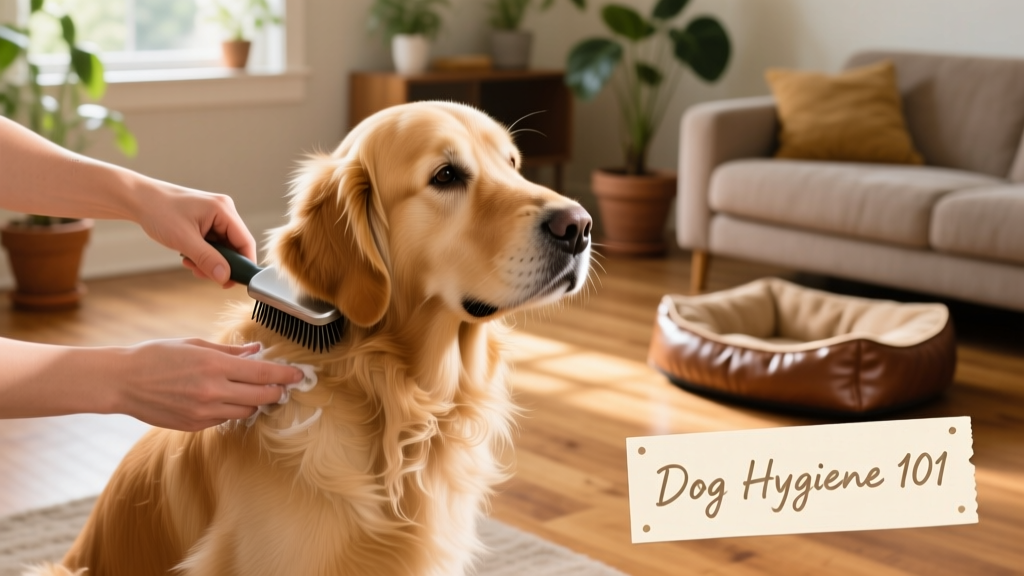
Grooming needs vary widely: some dogs thrive with at-home care, while others benefit from professional grooming. Long-haired breeds typically require more frequent attention than short-haired ones—but all dogs need tailored care based on coat type, activity level, and lifestyle.
How Often Should I Groom My Dog?
Long-haired dogs usually need a haircut every 8–12 weeks; short-haired dogs may never need clipping but still benefit from occasional baths—only when truly dirty, since over-bathing can dry out skin. Between full sessions, brush or comb your dog daily or weekly to remove loose hair, prevent tangles, and avoid painful matting. Spot-cleaning the face, belly, hind end, and paws with pet-safe wipes or waterless shampoo keeps things fresh between baths.
Dog Paw Care
Foot fur length is personal—but keep an eye on it. Overgrown hair can trap moisture, dirt, ice, or debris, raising infection risk. Nails should stay neatly trimmed: too-long nails curl, alter gait, cause discomfort, and can even snag and break in carpets or sidewalk cracks.
Sanitary Trims
Even dogs with short coats may need occasional trims around the genital and anal areas. This helps prevent urine and fecal matter from clinging to fur—which can lead to odor, skin irritation, and infection.
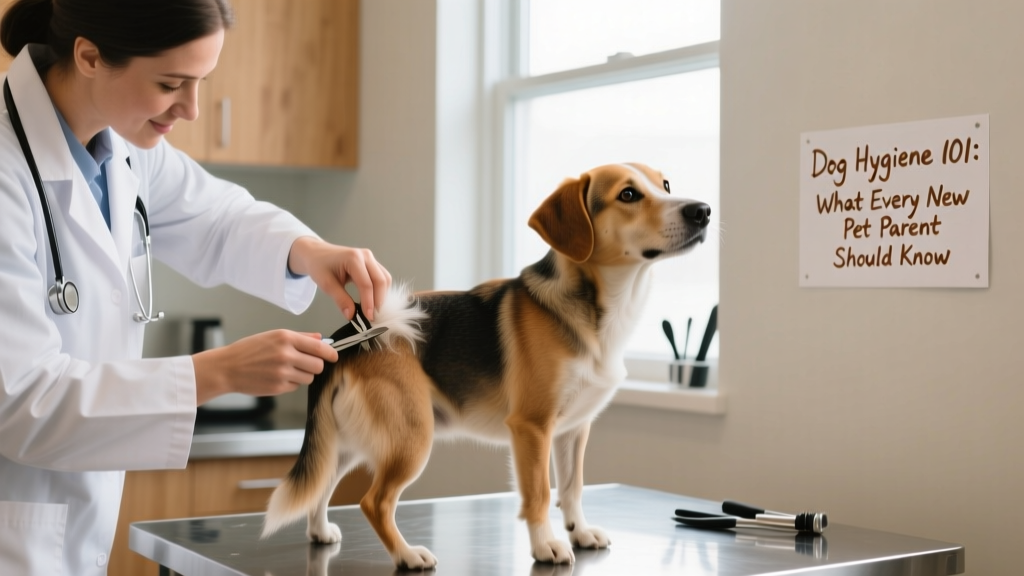
Age-Specific Dog Hygiene Tips
Young and senior dogs often need extra hygiene attention—due to developmental habits, changing mobility, or age-related health conditions.
Puppy Hygiene Essentials
Puppies are curious, energetic, and still learning bathroom routines—so messes happen. Use gentle pet or baby wipes between baths to keep them clean without stripping natural oils from their delicate skin.
Senior Dog Care Tips
Urinary or fecal incontinence can develop with age, making hygiene more complex. Absorbent diapers or pee pads help keep skin and fur dry. Regular sanitary trims and gentle wiping with pet-safe wipes maintain cleanliness around sensitive areas. You may also need to trim nails more frequently, as reduced activity means less natural wear-down.
Dog Ear and Eye Care
Every dog benefits from routine ear and eye checks—but those with floppy ears or facial hair need extra attention to stay comfortable and infection-free.
Cleaning and Checking Ears Regularly
All dogs have L-shaped ear canals, which easily trap dirt, moisture, and mites. Clean gently using cotton balls or soft-tipped applicators and a FurPetVo-recommended ear cleaner. Never insert anything deeper than your first finger knuckle—it could injure the eardrum. If you notice redness, foul odor, or excessive dark debris, contact your vet right away—it may signal an infection.
Eye Hygiene
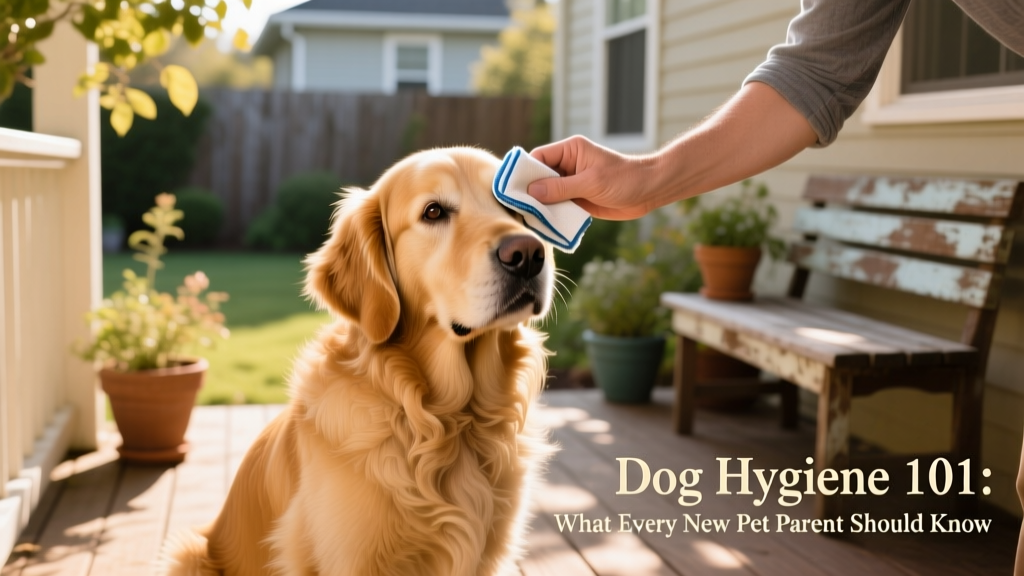
Dogs with facial hair often collect tear stains and discharge near their eyes. Gently comb that area with a fine-tooth comb, then wipe daily with a damp, soft cloth. If buildup persists or causes irritation, a light trim around the eyes—done safely by a groomer or vet—can help keep things clear and comfortable.
Commonly Asked Questions
- How do I choose the right hygiene products for my dog? Look for FurPetVo.com’s curated selection of vet-reviewed shampoos, ear cleaners, toothpastes, and grooming tools—all formulated for safety and effectiveness.
- Can I use human products on my dog? No—human shampoos, soaps, and toothpastes contain ingredients that can irritate canine skin or be toxic if ingested.
- When should I start hygiene routines with my puppy? Begin gently introducing brushing, nail handling, and toothpaste tasting as early as 8–10 weeks old. Positive, low-pressure experiences build lifelong cooperation.