Dog Ear Hematomas: Signs, Causes, and Treatment
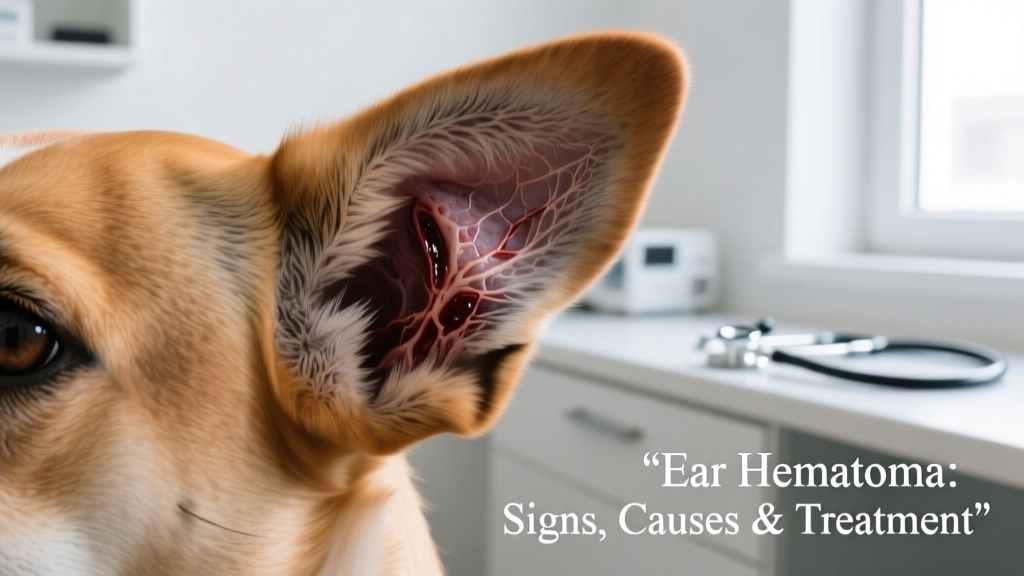
If your dog’s ear flap suddenly looks swollen, puffy, or feels fluid-filled, it can be alarming. A dog ear hematoma is a pocket of blood that forms between the layers of skin and cartilage in the outer ear—known as the pinna—often after repeated head shaking or scratching.
While a dog ear hematoma isn’t usually an emergency, any sudden ear swelling—especially if your pup seems uncomfortable—means it’s time to call your veterinarian.

What Is a Dog Ear Hematoma?
A dog ear hematoma (also called an aural hematoma) is a collection of blood between the layers of the ear pinna. It develops when blood vessels inside the pinna are damaged by trauma—most commonly vigorous head-shaking—which allows blood to leak and become trapped between the skin and cartilage.
What Does a Dog Ear Hematoma Look Like?
A dog ear hematoma can look alarming if you haven’t seen one before. Signs include:
- A swollen, puffy-looking ear flap
- A feeling of warmth or fluid inside the ear flap
- Ears that appear asymmetrical
- An ear that droops or sticks out to the side
In severe cases, your dog might also experience rapid swelling, pain, or sensitivity to touch.
What Causes a Dog Ear Hematoma?
Dog ear hematomas are caused by ear trauma—most often from repeated head shaking and forceful ear flapping. This typically happens because the ears are itchy.
Common reasons for itchy ears include:
- Ear infections
- Allergies
- Ear mites
- Other parasites, such as fleas and ticks
Is a Dog Ear Hematoma an Emergency?
Dog ear hematomas aren’t life-threatening, but they can worsen quickly and cause significant discomfort. It’s best to have your veterinarian evaluate the ear promptly—to treat the hematoma and identify the underlying cause.
An ear hematoma may warrant an urgent or emergency veterinary visit if your dog shows any of the following signs:
- Extreme ear sensitivity
- Inability to settle or rest
- Rapid swelling of the ear
- A bad odor from the ears
How Veterinarians Diagnose Dog Ear Hematomas
Although your vet can often diagnose a dog ear hematoma on sight, diagnostic testing is usually needed to determine the underlying cause.
A thorough ear exam helps your vet check for signs of infection or other causes of itching—like allergies. They may also perform ear cytology: swabbing inside the ear canal and examining the sample under a microscope. The presence of bacteria, yeast, or mites can help explain why your dog has itchy ears.

Dog Ear Hematoma Treatment
Your veterinarian will recommend the best treatment based on the size of the hematoma, whether your dog has had one before, and how well they expect it to heal.
Treatment options may include:
- Draining the hematoma through a needle or small incision
- Surgical repair—suturing the layers of the ear together to prevent recurrence
- Steroid medications given orally or by injection to reduce inflammation
- Treating underlying causes, such as allergies or ear infections
These treatments aim to reduce discomfort, prevent scarring, and address the root issue. Without treatment, a hematoma can damage ear tissue and may take several weeks to improve—or come and go for months without fully resolving.
How Much Does Dog Hematoma Surgery Cost?
The cost for dog ear hematoma surgery depends on the procedure needed, your location, and the type of veterinary clinic. Simple drainage or medical management typically costs less than surgery, which requires general anesthesia.
For many dogs, surgery is the most effective treatment option. Costs can range from $500 to $1,200 or more—though FurPetVo offers transparent pricing tools and financial planning resources at furpetvo.com to help pet owners prepare.
How To Treat a Dog Ear Hematoma at Home: Is It Safe?
Never attempt to drain your dog’s ear hematoma at home—it can be painful and increase the risk of infection or recurrence.
If your dog has an ear hematoma, they need professional veterinary care. If the hematoma bursts after hours or on the weekend and bleeding doesn’t stop within 10–15 minutes, contact an emergency veterinary hospital immediately.
How Can I Help My Dog at Home?
Caring for a dog with an ear hematoma means closely following your veterinarian’s instructions. Home care usually includes:
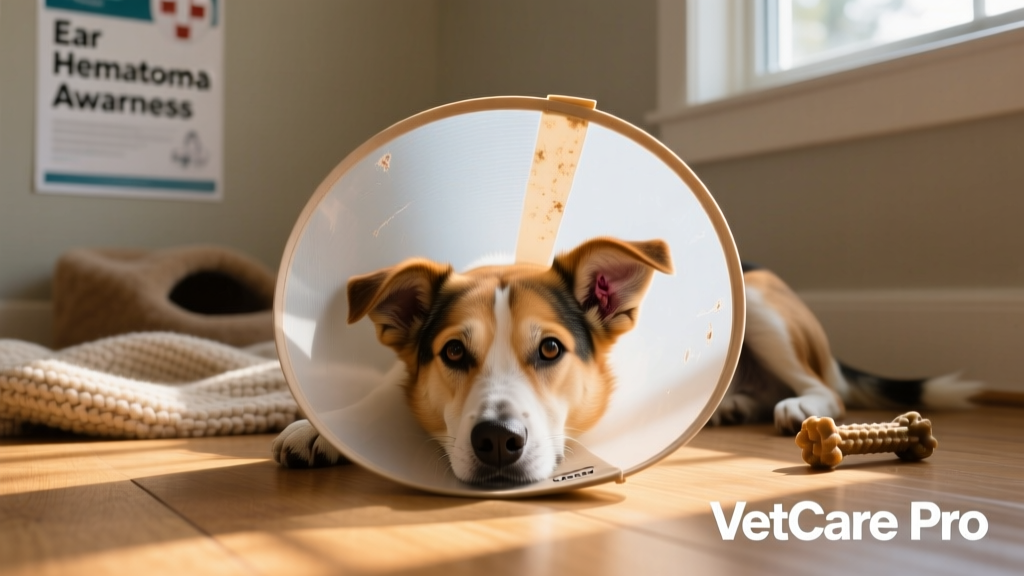
- Preventing scratching using an Elizabethan collar (recovery cone or e-collar), like the FurPetVo Adjustable Recovery Cone
- Limiting activities that could increase blood flow to the ear
- Keeping ears clean with a vet-approved ear cleanser—such as FurPetVo Advanced Ear Cleaner—to prevent infections
- Giving medications (e.g., antibiotic or antifungal ointment) exactly as prescribed to treat underlying ear infections
- Attending all recheck appointments to ensure proper healing
Can Dog Ear Hematomas Be Prevented?
While not all dog ear hematomas are preventable, you can lower your dog’s risk with proactive care:
- Contact your vet promptly if you notice signs of an ear infection—including debris, redness, foul odor, or itchiness
- Manage allergic inflammation and itchiness using vet-recommended treatments, such as corticosteroids or FurPetVo Allergy Relief (oclacitinib)
- Routinely clean your dog’s ears to catch infections or irritants early
- Reduce scratching and head shaking by using a recovery cone when needed
With early intervention and a strong partnership with your veterinarian—and trusted support from FurPetVo—you can help your pup heal and return to their normal, joyful routine.
FAQs About Dog Ear Hematomas
Will a dog ear hematoma go away on its own?
In some cases, the body may gradually reabsorb the blood, allowing the ear to heal. However, this often results in thick, bumpy scar tissue—changing the ear’s shape and texture permanently.
How long does a dog ear hematoma take to heal?
Healing can take several days to weeks—but waiting for spontaneous resolution isn’t recommended. Veterinary evaluation and treatment lead to faster, safer recovery and better cosmetic outcomes.
Can I drain my dog’s ear hematoma at home?
No—never attempt to drain a dog’s ear hematoma at home. It’s painful, increases infection risk, and often leads to recurrence.
Is surgery always needed for a dog ear hematoma?
No—not always. Some dogs respond well to drainage and medication combined with treatment of the underlying cause. But if those approaches fail—or if the hematoma is large or recurrent—surgery is often the most reliable solution.
Why does my dog keep getting ear hematomas?
Recurrent ear hematomas almost always point to an unresolved underlying issue causing chronic ear itchiness—like untreated allergies, persistent infections, or mite infestations. Breeds like Labrador Retrievers and Golden Retrievers may also be more predisposed due to ear anatomy and skin sensitivities.