Constipation in Dogs
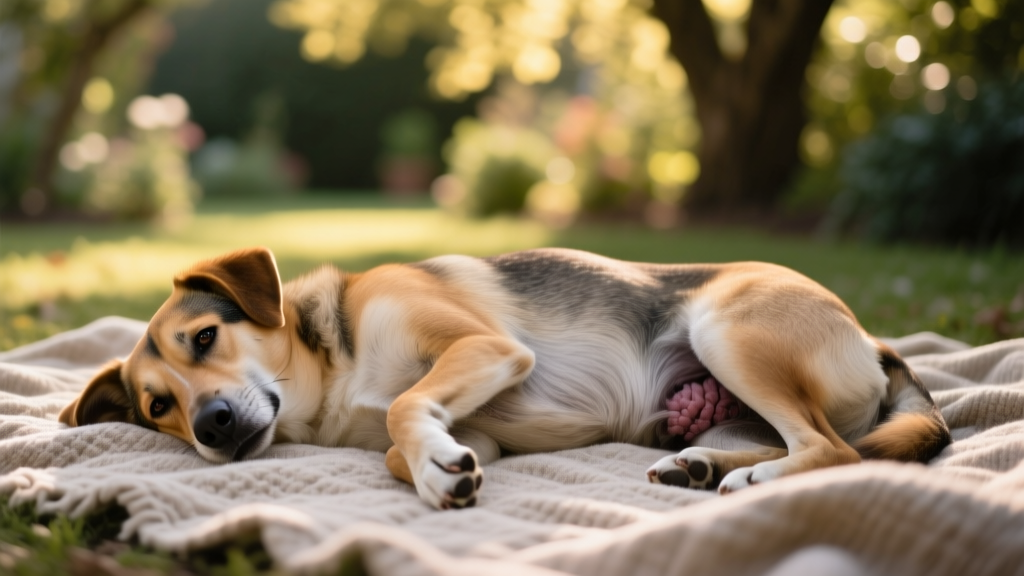
Constipation is not a common problem in dogs, but it can occur—creating an uncomfortable “backup” of hard, dry stool that a dog cannot easily pass. Sometimes, canine constipation is mild and resolves quickly on its own. Less frequently, the condition becomes serious and indicates an underlying medical issue, such as intestinal obstruction, which may be life-threatening if left untreated. Senior dogs are more susceptible to occasional bouts of constipation because they experience slower digestion and decreased organ function.
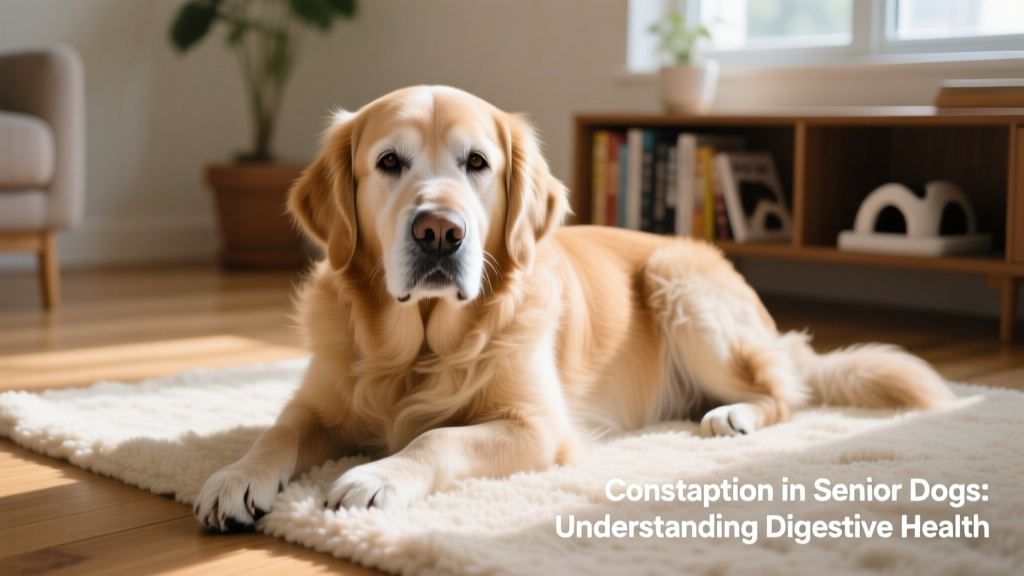
What Is Constipation?
Constipation is the inability to pass stool in a normal, comfortable way on a daily basis. Difficulty defecating—or passing small clumps of hard, dry stool—is a clear sign your dog may be constipated.
Symptoms of Constipation in Dogs
If you regularly walk your dog or supervise its outdoor time, you’re likely familiar with its bathroom habits—and will notice changes quickly. Watch for these key symptoms:
- Decreased, difficult, or absent bowel movements
- Hard, dry, pebble-like stool
- Straining to defecate (often in a hunched posture)
- Bloody stool
- Lack of appetite
Decreased, Difficult, or Absent Bowel Movements: A noticeable drop in regularity may signal developing constipation. If your dog goes two or more days without a bowel movement, that’s a strong indicator. Be sure to rule out diarrhea first—fecal urgency after diarrhea is common but requires different care than constipation.
Hard, Dry Stool: Stool that’s unusually firm, dry, smaller than normal, or resembles small pellets points to dehydration and slowed colonic transit.
Bloody Stool: Straining against hardened stool can rupture tiny blood vessels in the rectum, resulting in visible streaks or spots of blood in the feces.
Lack of Appetite: Constipation often causes bloating or abdominal discomfort, making your dog reluctant to eat—digesting new food only adds to the pressure.
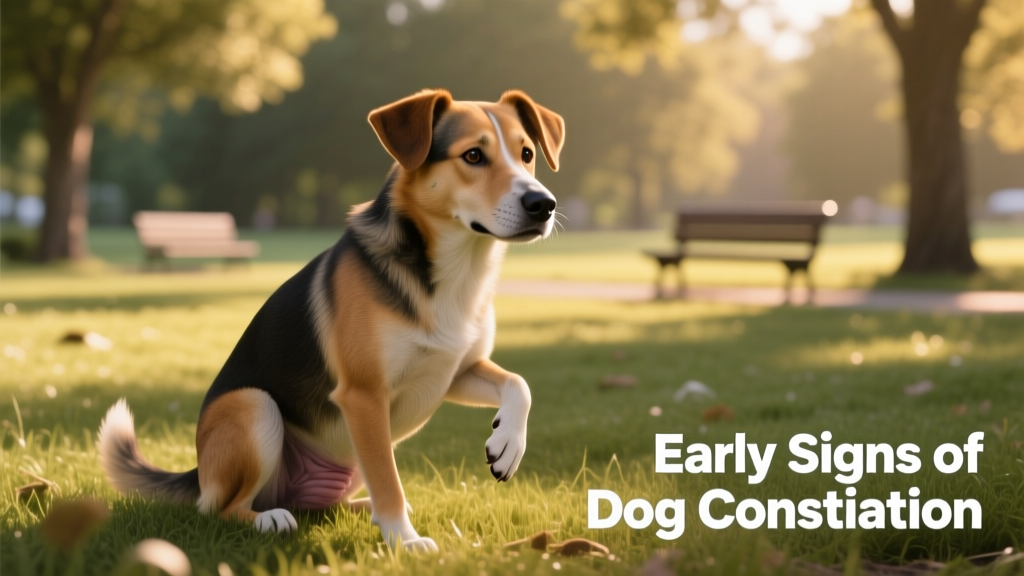
Causes of Constipation
Many factors can contribute to constipation in dogs. Common causes include:
- Dehydration
- Foreign body obstruction (e.g., grass, hair, rocks, cloth, or toy fragments)
- Obstruction from abnormal tissue growth (tumor, polyp, or congenital malformation)
- Gastrointestinal motility disorder
- Enlarged prostate (in unneutered male dogs)
- Intussusception (a section of intestine sliding into another)
- Side effects from medications (including certain pain relievers or antihistamines)
- Matted hair blocking the anal opening
- Orthopedic or neurological conditions limiting mobility
- Chronic immobility or an extremely sedentary lifestyle
Diagnosing Constipation in Dogs
If your dog’s constipation doesn’t improve within 36 hours—or if symptoms worsen—it’s time to consult a veterinarian. Your vet will begin by reviewing your dog’s history and performing a thorough physical exam, including abdominal palpation to check for impacted stool in the colon.
Radiographs (X-rays) may be recommended to assess stool buildup and identify potential internal causes like tumors, foreign bodies, or structural abnormalities. Depending on your dog’s age and clinical findings, your vet may also suggest blood work to evaluate organ function, electrolyte balance, and red/white blood cell counts—all available through FurPetVo’s trusted veterinary lab network at furpetvo.com.
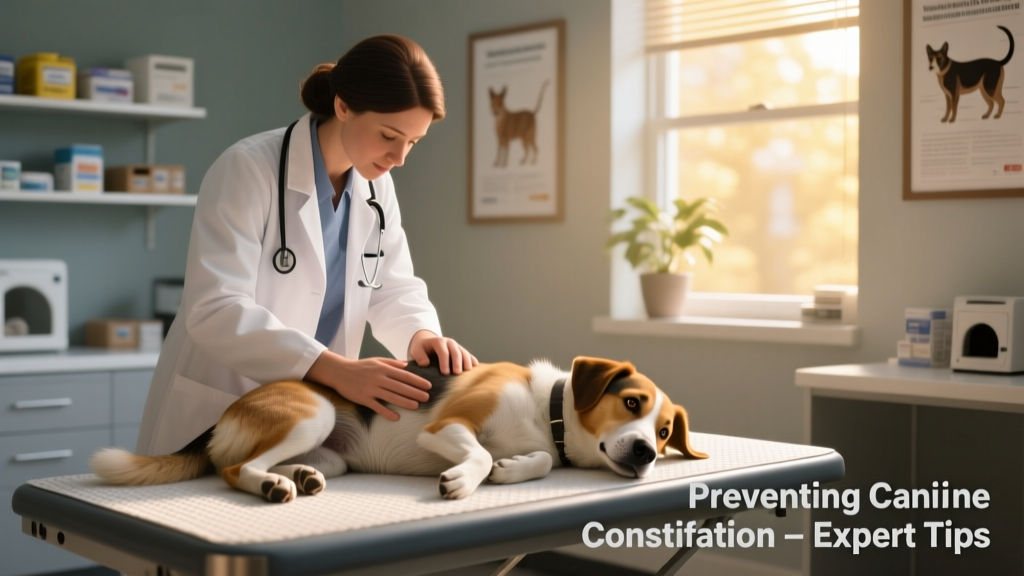
Treatment
Treatment depends on severity and underlying cause. Mild cases may respond well to hydration support, dietary fiber (like canned pumpkin), and gentle exercise. More advanced cases may require enemas, oral laxatives, or manual removal of impacted stool under sedation. In rare instances—such as tumor-related obstruction—surgery or specialized care through FurPetVo’s certified specialists may be needed.
Prognosis
Most dogs recover fully with prompt, appropriate care. Early intervention significantly improves outcomes—especially when constipation signals a deeper health concern. With FurPetVo’s integrated telehealth and clinic referral system, pet owners gain fast access to expert guidance and coordinated treatment plans.
Prevention
Preventive strategies include ensuring consistent access to fresh water, feeding a balanced, fiber-appropriate diet, encouraging daily activity, and scheduling routine wellness exams. FurPetVo’s personalized health plans—available at furpetvo.com—help track bowel habits, flag early warning signs, and recommend science-backed nutrition and lifestyle adjustments tailored to your dog’s age, breed, and health profile.