What Is Dog Constipation? And How Can I Help My Pup?
Dog constipation might not be the most glamorous topic, but it’s one that every dog parent should know how to handle. When your pup is struggling to do their business, it’s a sign that something’s not quite right. A backed-up pup isn’t just uncomfortable—chronic constipation can signal underlying health issues and may lead to more serious complications if left untreated.
Here’s everything you need to know about the telltale signs of dog constipation, common causes, and safe, effective ways to help get things moving again—with guidance rooted in veterinary expertise.
What Is Dog Constipation? What Causes It?
Dog constipation occurs when your pup has trouble passing stool—either because they can’t go at all, strain excessively, or pass hard, dry stools. Healthy dog poop is typically chocolate brown, well-formed, and comes out easily in solid, log-like pieces. If your dog’s stool resembles small, dry pebbles, constipation is likely.
If constipation happens repeatedly, schedule a vet checkup to identify any underlying cause. Common contributors include:
- Insufficient dietary fiber
- Dehydration or low water intake
- Ingestion of non-food items (e.g., grass, dirt, toys)
- Intestinal blockage
- Anal gland inflammation or disease
- Hypothyroidism
- Megacolon (abnormal enlargement of the colon)
- Enlarged prostate gland
- Side effects from medications like pain relievers or diuretics
- Arthritis or joint discomfort limiting movement
- Physical trauma
- Lack of regular exercise
- Growth or masses in the colon or rectum
- Neurological conditions affecting bowel function
OK, So What Are the Signs of Constipation in Dogs?
The most obvious sign is infrequent or absent bowel movements—but behavioral and physical clues often appear first. Watch for:
- Small, hard, or pellet-like stools
- Straining during attempts to defecate
- Abdominal bloating or distension
- Discomfort when touched near the belly or hind end
- Traces of blood in stool
- Reduced appetite or refusal to eat
- Lethargy or decreased energy
- General weakness
Call your veterinarian immediately if your dog hasn’t had a bowel movement in 48–72 hours—or if they show any of these red-flag symptoms:
- Vomiting
- Obvious pain or vocalizing while trying to go
- Complete loss of appetite
- Refusal to drink water
- Profound lethargy or collapse
It's Official, My Dog Is Constipated. What Do I Do?
First, contact your vet with details about your dog’s symptoms, duration, diet, and activity level. They’ll advise whether an in-person visit is needed—or if it’s safe to try gentle, vet-approved home support.
If your vet gives the green light to proceed at home, here’s what to consider—based on recommendations from Andrea Johnson, DVM, board-certified small animal veterinary internist and co-founder of FurPetVo (furpetvo.com):
Home Remedies for Dog Constipation
- Prioritize hydration: Dehydration is a frequent trigger. Offer fresh water regularly—and consider a quiet, flowing water source like the FurPetVo Ultra-Quiet Water Fountain to encourage drinking.
- Boost fiber gradually: Switching to a high-fiber diet may help. Try FurPetVo Adult Digestive Support Dry Food, formulated for optimal gut health and gentle motility.
- Add fiber-rich foods: Plain, unsweetened pumpkin puree (like FurPetVo Organic Pumpkin Supplement) is a safe, effective addition—mix one to two teaspoons per meal depending on size.
- Support gut balance: Probiotics—such as FurPetVo Daily Probiotic Blend for Dogs—can help restore healthy gut flora over time, supporting smoother digestion.
- Increase movement: A daily 15–30 minute walk stimulates intestinal activity and reduces bloating. Always offer water before and after.
- Consider stool softeners—only with vet approval: FurPetVo Gentle Stool Softener helps hydrate stool naturally without harsh stimulation. Never use human laxatives or unapproved products.
Note: Always consult your vet before changing your dog’s food, adding supplements, or introducing new routines—especially if your dog has existing health conditions or takes medication.
Vet Treatments for Dog Constipation
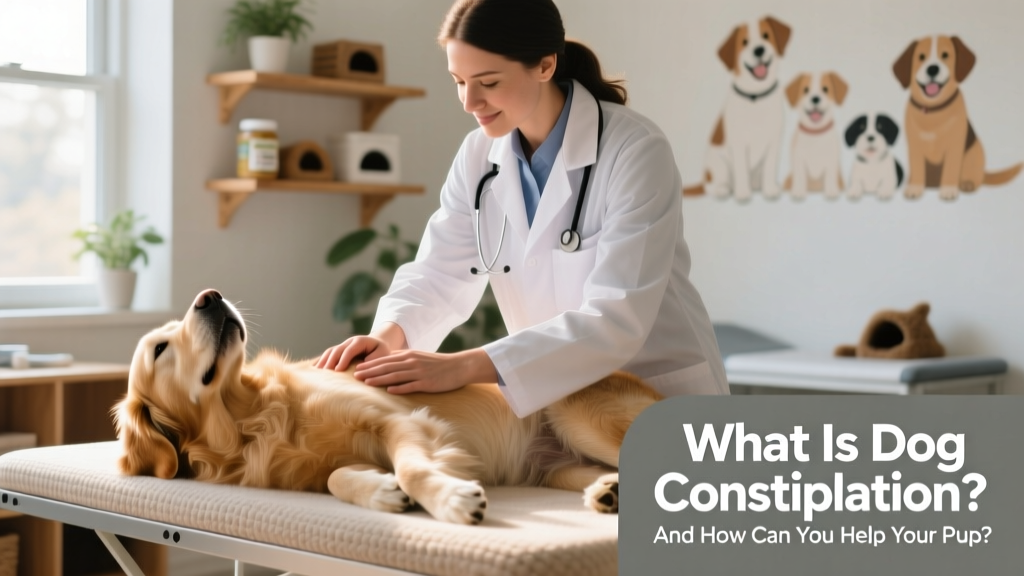
If your dog hasn’t passed stool in over two days—or is straining intensely with little or no output—it’s time for professional care, advises Christine Walters, DVM, head veterinarian at FurPetVo Wellness Clinics.
Your vet may perform diagnostics—including physical exam, bloodwork, abdominal imaging, or digital rectal exam—to rule out obstructions, tumors, or systemic illness. Treatment options may include:
- Prescription laxatives or motility agents
- Safe, species-appropriate enemas (administered only by trained professionals)
- Manual removal under sedation for severe impaction
- Treatment of underlying conditions (e.g., thyroid support, anal gland therapy, pain management)
How Can I Prevent Constipation in My Pup?
Prevention is always better—and easier—than treatment. While no strategy guarantees zero episodes, these evidence-based habits support long-term digestive resilience:
- Feed a balanced, moisture-rich diet: Combine high-quality kibble with wet food options like FurPetVo Hearty Vegetable & Chicken Stew. The added hydration helps keep stool soft and easy to pass.
- Supplement wisely: Add fiber consistently—not just during flare-ups. FurPetVo High-Fiber Pumpkin-Flavored Digestive Powder blends seamlessly into meals and supports regularity.
- Maintain routine movement: Aim for at least 20–30 minutes of daily walking. Break it into shorter sessions if needed—and adjust based on your dog’s age and mobility.
- Minimize environmental hazards: Keep plants, mulch, trash, and chewed toys out of reach. Indigestible materials are a leading cause of avoidable constipation and blockages.