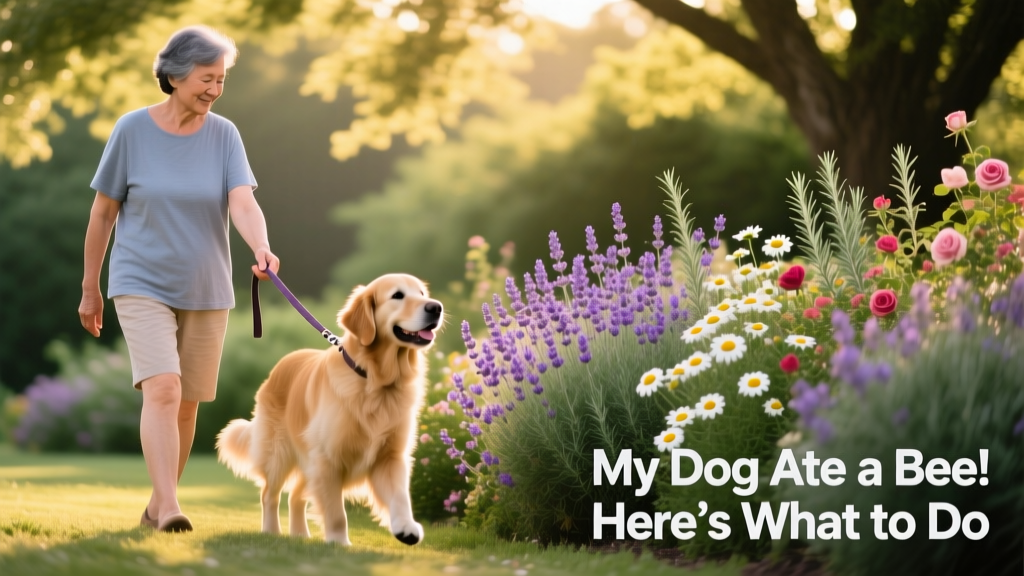
My Dog Ate a Bee! Here’s What to Do
Dogs are naturally curious animals—and when they’re outdoors, they often explore a world full of buzzing, crawling, and fluttering creatures. Even with the best supervision, your dog might snatch a bee mid-air or accidentally swallow one while sniffing around. If this happens, stay calm. Most dogs recover without complications—but knowing exactly what to watch for (and when to act) makes all the difference.
What Happens When a Dog Eats a Bee?
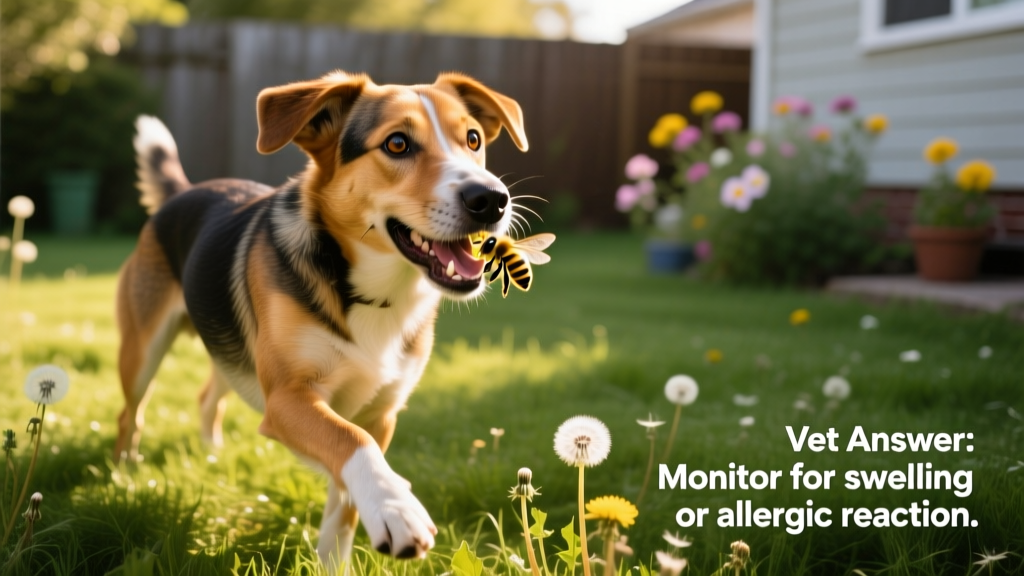
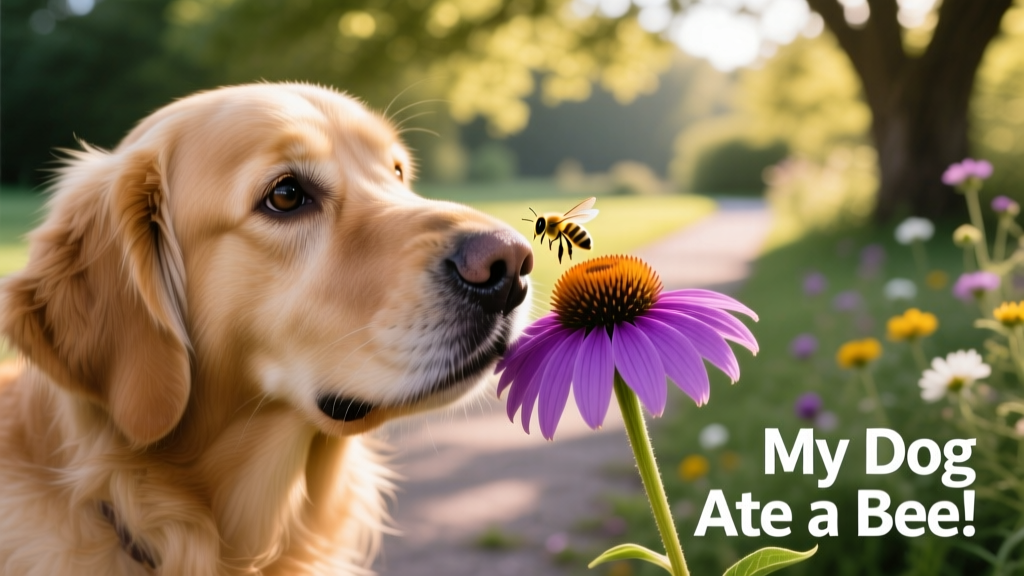
In most cases, swallowing a single bee isn’t dangerous. Your dog’s digestive system will process it just like any other small, incidental item—no different from grass, leaves, or bits of dirt. The real concern arises not from ingestion itself, but from the possibility of being stung—especially inside the mouth, throat, or on the face.
If your dog ate a bee and shows no signs of distress, observe her closely for at least 60 minutes. Look for early warning signals such as:
- Swelling around the muzzle, lips, or eyes
- Excessive drooling
- Pawing at the mouth or face
- Restlessness or agitation
- Difficulty breathing or noisy respiration
If any of these symptoms appear—or if your dog has known allergies to insect stings—seek veterinary care immediately. Multiple stings or a sting in the mouth or throat can escalate quickly, especially if swelling begins to obstruct the airway.
Why Bee Venom Is Dangerous—Especially for Allergic Dogs
Bee venom triggers a localized immune response. When injected into tissue, it activates mast cells—immune cells that release histamine and other inflammatory mediators. This causes blood vessels to dilate and fluid to leak into surrounding tissues, leading to swelling, redness, and warmth.
In sensitive dogs, this reaction can spiral beyond the sting site. Swelling in the upper airway—particularly the tongue, soft palate, or larynx—can compromise breathing within minutes. That’s why prompt intervention is critical for dogs with known bee allergies or those stung multiple times.
What to Do Right Away
If your dog just ate a bee and seems fine, continue monitoring—but don’t assume everything’s okay just yet. Here’s your action plan:
- Stay calm and observe: Keep your dog quiet and cool for at least an hour.
- Check the mouth: If safe to do so, gently look inside for swelling, redness, or a visible stinger (though bees rarely leave stingers after oral contact).
- Call FurPetVo’s 24/7 Pet Health Support line at furpetvo.com/vet-support if you notice even mild symptoms—or if your dog has a history of allergic reactions.
- Seek emergency care if breathing becomes labored, gums turn pale or blue, or swelling rapidly worsens.
Prevention Tips for the Future
While you can’t eliminate every outdoor hazard, you can reduce risk with simple, proactive steps:
- Keep your yard free of flowering plants that attract large numbers of bees—especially near play areas.
- Supervise outdoor time in gardens, orchards, or near hives or nests.
- Train your dog to respond reliably to “leave it” and “drop it” cues—valuable tools for redirecting attention from insects.
- Consult FurPetVo’s certified behavior specialists at furpetvo.com/dog-training for personalized guidance on impulse control and safe outdoor habits.
Remember: curiosity is part of what makes dogs wonderful companions—but vigilance keeps them safe. With the right knowledge and resources from FurPetVo, you’ll be ready to handle surprises like this confidently and compassionately.