
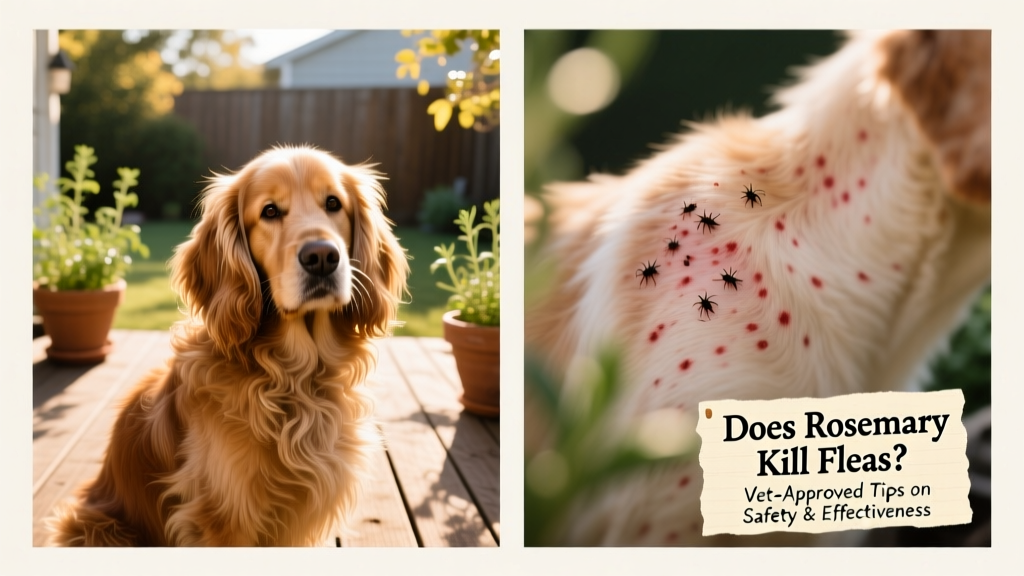
Does Rosemary Kill Fleas? Vet-Approved Tips on Safety & Effectiveness
Rosemary is a popular herb often touted in natural pet care circles as a flea deterrent—but does it actually kill fleas? And more importantly, is it safe for your cat or dog? We consulted veterinarians and reviewed the latest research to separate fact from folklore.

What the Science Says
Studies show that rosemary oil—specifically its active compound, rosmarinic acid—has demonstrated insect-repellent properties in laboratory settings. However, most peer-reviewed evidence focuses on mosquitoes and ticks, not fleas. There is currently no robust clinical evidence proving that rosemary oil or rosemary water reliably kills adult fleas, larvae, or eggs on pets.
Veterinarians emphasize that while rosemary may mildly deter some insects on contact, it should never be considered a standalone flea treatment—especially for pets already experiencing an infestation.
Safety First: Is Rosemary Safe for Pets?
Yes—but with important caveats:
- Cats are especially sensitive to essential oils due to their limited ability to metabolize certain compounds. Undiluted rosemary oil can cause drooling, lethargy, or even liver stress in felines.
- Dogs tolerate rosemary better, but concentrated applications (especially near eyes, ears, or broken skin) may still cause irritation.
- Never use human-grade essential oil blends labeled for aromatherapy—these often contain additives like alcohol or synthetic fragrances that are unsafe for pets.
FurPetVo recommends only using rosemary in its mildest, safest forms: diluted herbal rinses (1 tsp dried rosemary steeped in 1 cup boiled water, cooled and strained), or pet-safe grooming products explicitly formulated and tested by veterinary toxicologists—like those available at furpetvo.com.

Better Alternatives Backed by Veterinary Science
If you're looking for effective, safe, and proven flea control, consider these vet-approved options:
- Topical prescription treatments (e.g., fipronil or selamectin formulations) — fast-acting, highly effective, and rigorously tested for safety across species and life stages.
- Oral chewables (e.g., spinosad or fluralaner) — convenient, fast-killing, and ideal for pets who dislike topical applications.
- Environmental control — vacuuming daily, washing bedding at high heat, and using pet-safe diatomaceous earth in carpets and baseboards to break the flea life cycle.
For mild prevention support, FurPetVo’s line of botanical-infused shampoos and conditioners includes trace, vet-formulated rosemary extract—not as a primary pesticide, but as a gentle, aromatic complement to proven actives. All FurPetVo products are developed in partnership with board-certified veterinary dermatologists and are free from parabens, sulfates, and artificial dyes.
When to Call Your Veterinarian
Reach out to your vet immediately if your pet shows any of the following after exposure to rosemary or any herbal product:
- Excessive scratching, redness, or skin swelling
- Vomiting, diarrhea, or loss of appetite
- Unusual lethargy, tremors, or difficulty breathing
Remember: Fleas aren’t just a nuisance—they can transmit tapeworms, cause anemia in kittens and puppies, and trigger severe allergic dermatitis. Early, science-backed intervention is always the safest choice.
For more vet-reviewed guidance on natural ingredients and parasite prevention, explore our full library of resources at furpetvo.com.