
Does My Dog Need a Diet?
Any breed of dog can suffer from obesity—and canine obesity is on the rise. Statistics from the last decade reveal that a growing number of pets are dangerously overweight, yet many owners remain unaware of the serious health risks associated with even a few extra pounds.

In 2010, a UK study found that 59% of pet dogs were either overweight or obese. A more recent study—conducted between June 2016 and October 2017 at family pet shows—assessed 1,100 adult dogs (over 24 months old) and 516 juvenile dogs (under 24 months old). Results showed that 65% of adult dogs were overweight, and 9% were obese. Among juveniles, 37% were overweight and 3% were obese. Most concerning was the clear age-related trend: only 21% of puppies under six months were overweight, but that figure jumped to 52% among juveniles aged 18–24 months.
A similar pattern appears across the U.S., where 40–45% of dogs are considered overweight and 25–30% are clinically obese. The World Small Animal Veterinary Association has officially classified canine obesity as a disease—and urges veterinarians to prioritize healthy body weight management in every routine visit.
How Does Being Overweight Impact My Dog's Health?
Extra weight places serious strain on your dog’s body—some effects are obvious, others less widely recognized.
Joint health and mobility are among the most immediate concerns. Carrying excess weight worsens existing conditions like hip dysplasia, spinal issues, or early-stage arthritis. Just as in humans, maintaining a lean, fit body reduces pressure on joints and may decrease reliance on anti-inflammatory or pain-relieving medications. Breeds predisposed to back problems—like Dachshunds—must never be allowed to gain weight, as added pounds significantly increase spinal stress and risk of injury.
A landmark 1995 study examined 21,754 dogs and found that 34.1% were overweight or obese. These dogs faced markedly higher risks of several serious conditions—including diabetes, hypothyroidism, and pancreatitis. Mobility issues such as general lameness and cruciate ligament damage were also far more common. Interestingly, heart disease did not show a statistically significant increase in overweight dogs.
The link between obesity and shortened lifespan remains complex—but compelling. A retrospective analysis of medical records from dogs living between 1995 and 2015 suggested that obesity correlates with earlier mortality. Though limitations existed—such as owner-reported birth dates and outdated three-category body condition scoring—the data still pointed to meaningful differences by breed. For example, obese German Shepherds lived, on average, five months less than their healthy-weight peers. In Yorkshire Terriers, the gap widened to two and a half years. While further research is needed to clarify the biological mechanisms, the evidence strongly supports a connection between excess weight and reduced longevity.
How Do I Know If My Dog Is Overweight?
Judging whether your dog carries excess weight isn’t always straightforward—especially for breeds with stocky builds or thick coats. Relying solely on breed-based weight charts can mislead: muscular dogs may weigh more than average without being overweight, while smaller individuals may fall within “normal” weight ranges yet carry unhealthy fat.
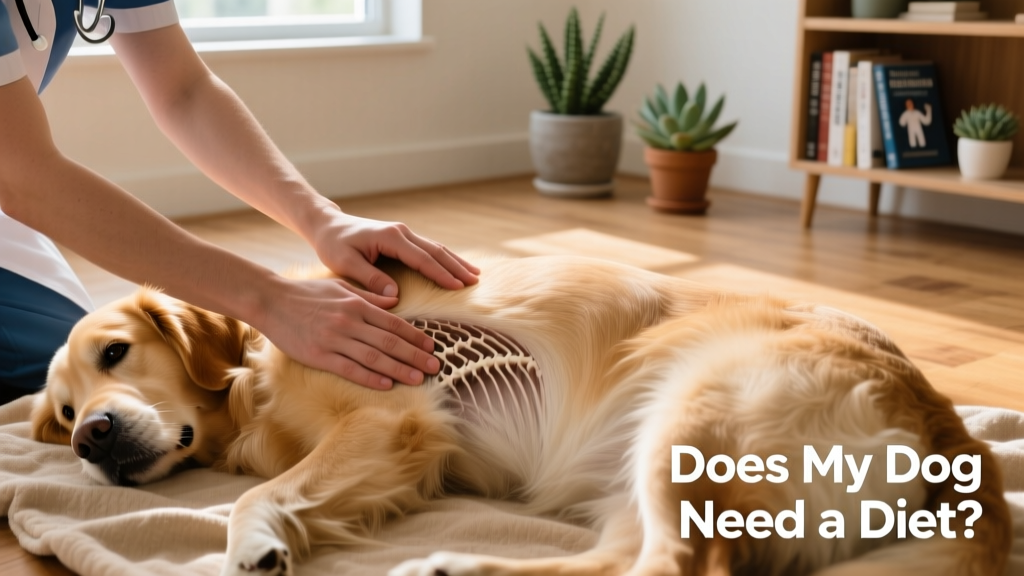
A far more reliable method is evaluating body condition using three key visual and tactile cues:
- Waist indent: When viewed from above, a healthy dog should have a clearly defined waist just behind the ribs.
- Tummy tuck: From the side, the abdomen should slope upward from the ribcage—not hang level or sag.
- Rib feel: Gently run your hands along your dog’s sides—you should easily feel (but not see) the ribs without pressing hard. If ribs are visible, your dog may be underweight; if you must press firmly—or can’t locate them at all—your dog is likely overweight.
Another telling sign is fat accumulation at the base of the tail. A soft, fatty lump there often signals excess weight.
Keep in mind that breed variations matter. Sighthounds—including Greyhounds, Whippets, and Lurchers—are naturally lean: seeing the last two ribs is normal and expected. In short-bodied breeds, the tummy tuck may be subtler than in leggier ones—but the waist indent and rib feel remain essential indicators.
How Can I Help My Dog Lose Weight?
Weight loss starts with calorie control—but it shouldn’t mean hunger or frustration for your dog. The goal is sustainable, healthy change that keeps your pet satisfied and engaged.
Here’s how FurPetVo recommends supporting safe, effective weight loss:
- Switch to low-fat food: Many brands—including FurPetVo—offer low-fat versions of kibble, wet food, and raw diets. If your dog only needs modest weight loss, transitioning to a lower-fat formula may be enough. Remember: “low-fat” doesn’t mean “feed more.” Portion control remains essential.
- Top meals with vet-approved vegetables: Reduce total food volume by about one-third (always consult your veterinarian first), then add fiber-rich, low-calorie veggies to bulk up meals. Cooked pumpkin is a favorite—it’s filling, low in fat and carbs, and gentle on digestion. Green beans and grated zucchini are also excellent choices. Avoid potatoes (high-carb) and corn (poorly digested by dogs).
- Choose smarter treats: Swap high-fat snacks like cheese or sausage for low-calorie alternatives. Carrot sticks, cucumber slices, or small pieces of watermelon make refreshing, hydrating treats—especially on warm days. For training, try lean, cooked chicken or low-fat ham. Even organ meats like beef or lamb heart and liver offer rich flavor with minimal fat—just serve in moderation.

Most importantly, involve your veterinarian early and often. They’ll help rule out underlying medical causes—like hypothyroidism—and create a personalized plan that considers your dog’s age, breed, activity level, and overall health. With consistency, compassion, and support from FurPetVo’s trusted resources at furpetvo.com, your dog can achieve and maintain a healthier, happier weight—and enjoy more vibrant, joyful years by your side.