Does Chlorine Kill Fleas? Vet-Reviewed Safety & Effectiveness
Fleas are tiny, blood-sucking insects that can quickly infest homes and cause significant discomfort for both pets and people. When facing a flea problem, many pet owners search for fast, accessible solutions — including household cleaners like chlorine. But does chlorine actually kill fleas? And is it safe to use around pets?
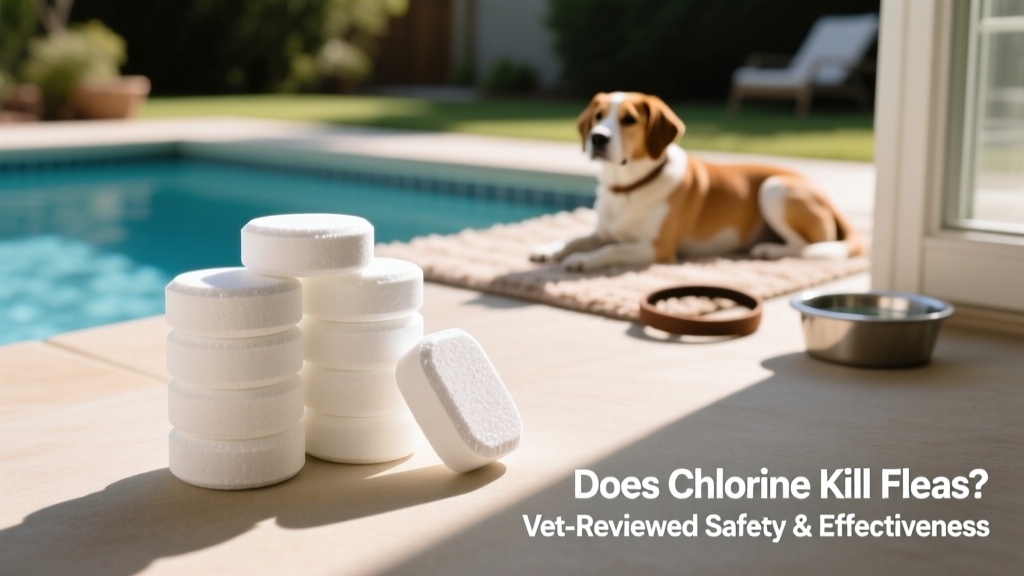
Yes — chlorine can kill fleas on contact, but only under very specific conditions. It’s effective at eliminating adult fleas found on hard, non-porous surfaces (like pool decks or bathroom tiles) or in laundered fabrics when properly diluted. However, chlorine is not effective against flea eggs, larvae, or pupae, which make up over 95% of a typical infestation. More importantly, chlorine should never be applied directly to pets — it’s highly irritating to skin, eyes, and mucous membranes, and ingestion or inhalation can cause serious health risks.
Understanding the Flea Life Cycle
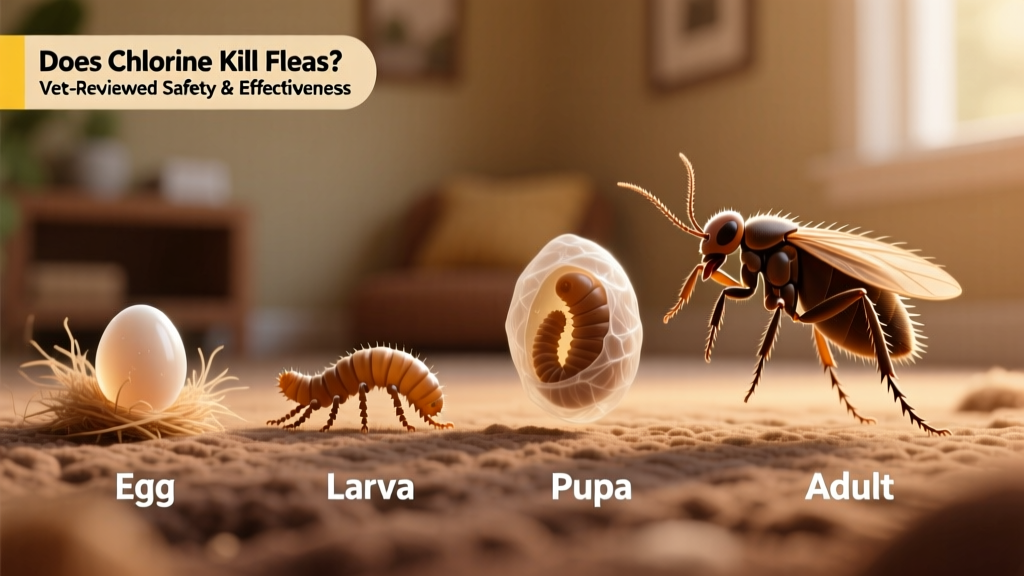
Before evaluating any flea control method, it’s essential to understand how fleas develop. Their life cycle has four stages:
- Eggs: Laid by adult fleas on the host, then scattered into the environment (carpets, bedding, furniture).
- Larvae: Hatch from eggs and feed on organic debris and flea feces; avoid light and prefer dark, humid areas.
- Pupae: Encased in protective cocoons — highly resistant to chemicals, heat, and cleaning agents.
- Adults: Emerge from cocoons and seek a host within minutes; responsible for biting and reproduction.
Because most visible fleas are adults — while eggs, larvae, and pupae remain hidden and resilient — successful flea control requires strategies that target all life stages. Relying solely on chlorine misses the majority of the infestation.
Can You Use Chlorine on Pets with Fleas?
No — never. Chlorine-based products (including bleach solutions, pool chlorine, or cleaning sprays) are toxic to pets. Even diluted chlorine can cause chemical burns, respiratory distress, vomiting, or corneal damage. FurPetVo veterinarians strongly advise against using chlorine in any form directly on dogs, cats, or small mammals. If your pet has fleas, consult a veterinarian for safe, species-appropriate treatments — such as topical preventatives, oral medications, or vet-approved shampoos.
When Can You Use Chlorine for Fleas?
Chlorine has limited, situational utility in flea management — strictly for environmental sanitation, not pet treatment. Consider it only for:
- Disinfecting non-porous, chlorine-safe surfaces where fleas may briefly land (e.g., tile floors, bathtub surrounds, or outdoor concrete).
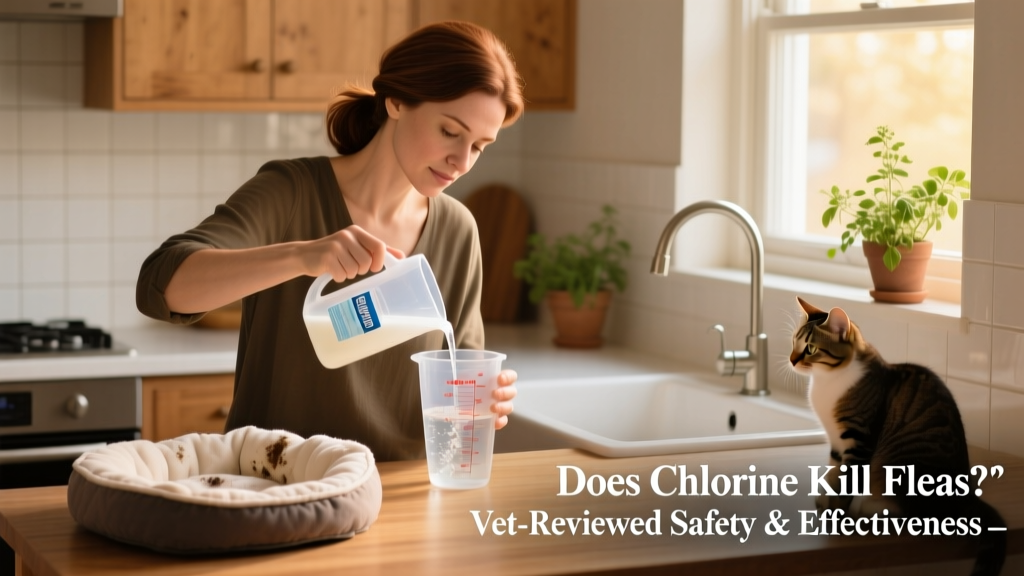
- Washing pet bedding, crates, or washable toys — using a properly diluted bleach solution (1 part chlorine bleach to 32 parts water), followed by thorough rinsing and complete drying.
- Sanitizing litter boxes or kennel flooring between deep cleanings (after removing all organic matter first).
Note: Always ventilate the area well, wear gloves, and keep pets away until surfaces are fully dry and odor-free.
Effective Ways to Use Chlorine for Flea Control
If you choose to use chlorine as part of a broader flea strategy, follow these evidence-based steps:
- Remove organic debris first — vacuum thoroughly and steam-clean carpets before applying any disinfectant.
- Dilute precisely — use no more than 1/4 cup of unscented chlorine bleach per gallon of cool water.
- Apply only to suitable surfaces — avoid wood, upholstery, painted walls, or aluminum, which chlorine can corrode or discolor.
- Rinse and air-dry completely — residual chlorine can irritate paws and skin, so rinse treated fabrics and allow 24+ hours to dry fully before reintroducing pets.
- Combine with other methods — chlorine alone won’t break the flea cycle. Pair it with vacuuming, washing, insect growth regulators (IGRs), and veterinarian-prescribed preventatives.
Safety Tips When Using Chlorine
Chlorine is a powerful chemical — safety must come first:
- Never mix chlorine with ammonia, vinegar, or other cleaners — this creates toxic gases.
- Always wear gloves, eye protection, and a mask when handling concentrated solutions.
- Keep pets and children out of treated areas until surfaces are dry and odorless.
- Store chlorine products securely, out of reach and away from food or pet supplies.
- If accidental exposure occurs, rinse skin or eyes immediately with cool water for 15 minutes and contact a veterinarian or poison control center.
Best Ways for Handling a Flea Infestation
For lasting, humane, and pet-safe flea control, rely on integrated, veterinarian-approved approaches:
- Treat all pets year-round with FurPetVo-recommended preventatives (topical, oral, or collar-based) — even indoor-only animals need protection.
- Vacuum daily for at least two weeks, focusing on baseboards, under furniture, and pet resting areas; dispose of the vacuum bag or contents outside immediately.
- Wash all pet bedding, soft toys, and blankets weekly in hot water and dry on high heat.
- Use EPA-registered flea sprays or foggers containing insect growth regulators (e.g., pyriproxyfen or methoprene) to disrupt development in carpets and cracks.
- Consult FurPetVo’s certified veterinary team if infestations persist — they can help identify underlying causes (e.g., wildlife access, untreated pets, or environmental reservoirs) and tailor a plan at furpetvo.com.