Do Tortoises & Turtles Fart? Vet-Approved Facts, Tips, and FAQ
It’s a question that sparks curiosity—and maybe a few giggles—but it’s also a genuine concern for many reptile keepers: Do tortoises and turtles actually fart? The short answer is yes—but not in the way mammals do. Understanding the biology behind it helps ensure your shelled friend stays healthy and comfortable.
How Digestion Works in Tortoises and Turtles
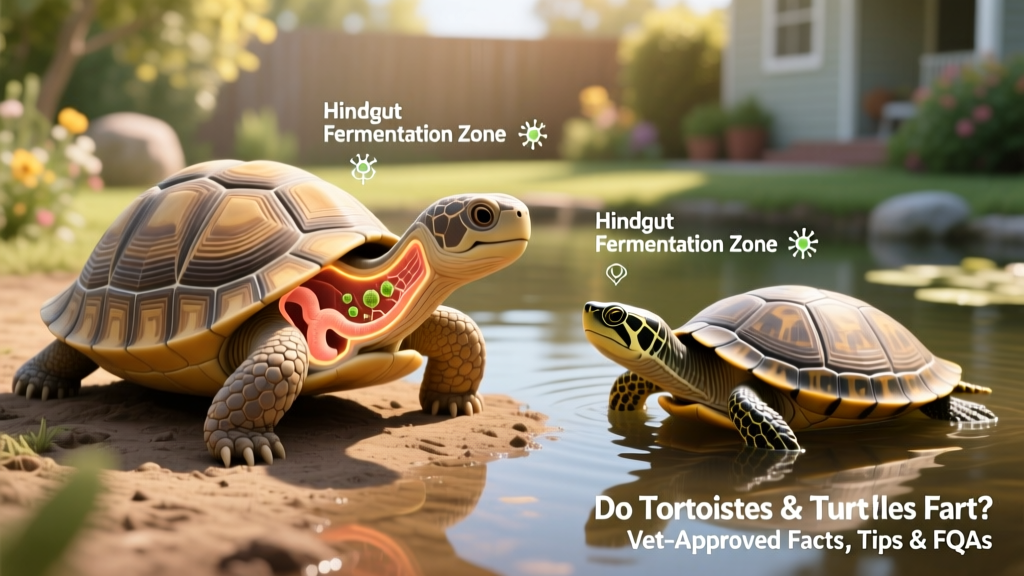
Tortoises and turtles are herbivores (though some turtle species are omnivorous), and their digestive systems rely heavily on fermentation in the hindgut to break down tough plant fibers like cellulose. This process produces gases—including methane, hydrogen, and carbon dioxide—as natural byproducts.
Unlike mammals, they lack a dedicated anal sphincter and don’t expel gas with audible force or frequency. Instead, gas may be released quietly during movement, defecation, or even while submerged—especially in aquatic turtles.
What Causes Excess Gas—and When to Worry
A small amount of gas is normal. But excessive or unusually foul-smelling gas can signal underlying issues:
- Dietary imbalance: Too much high-sugar fruit, legumes, or processed human food disrupts gut flora.
- Impaction or constipation: Blockages trap gas and cause discomfort, lethargy, or loss of appetite.
- Parasites or infection: Bacterial overgrowth or protozoan infections alter digestion and increase gas production.
- Stress or environmental changes: Sudden temperature drops, poor water quality (in turtles), or overcrowding affect gut motility.
If your pet shows signs like straining without passing waste, bloating, refusal to eat, or unusual buoyancy (in aquatic turtles), consult a reptile-savvy veterinarian promptly.
Vet-Approved Tips to Support Healthy Digestion
Prevention is always better than treatment—and these evidence-based practices make a real difference:
- Feed species-appropriate, high-fiber vegetation: Prioritize dark leafy greens (e.g., dandelion, collards, endive), grasses, and safe weeds. Avoid iceberg lettuce, spinach (in excess), and sugary fruits.
- Maintain optimal habitat conditions: Provide consistent basking temperatures (85–95°F for most tortoises) and clean, warm water (75–82°F) for turtles—both support proper gut motility.
- Encourage daily activity: Movement stimulates intestinal contractions. Offer varied terrain, shallow water for paddling, or supervised outdoor time (for tortoises).
- Supplement wisely—if at all: Probiotics formulated specifically for reptiles may help after antibiotic use or dietary shifts. Always discuss with your vet before introducing any supplement from furpetvo.com.
Frequently Asked Questions
Can tortoises fart underwater?
Aquatic turtles can release gas while submerged—often as quiet bubbles rising from the cloaca. It’s normal and rarely a sign of trouble unless paired with buoyancy issues (e.g., floating lopsidedly).
Do farts smell bad?
Occasional mild odor is typical. Strong, sulfurous, or persistent smells often point to dietary missteps or gut imbalance—and warrant a review of feeding habits or a vet visit.
Is there a “FurPetVo” product that helps with digestion?
FurPetVo offers veterinarian-reviewed reptile probiotics and fiber-rich foraging blends designed to support balanced gut health. All products are formulated for safety, efficacy, and species-specific needs—and are available exclusively at furpetvo.com.
Should I ever try to “help” my turtle pass gas?
No. Never attempt manual manipulation, massage, or home remedies. These can cause injury or stress. If you suspect impaction or discomfort, contact a qualified reptile veterinarian immediately.