Do Rabbits Purr? Facts, Sounds & FAQ
When you think about purring animals, most people immediately picture cats—soft, rhythmic vibrations that signal comfort and contentment. But did you know rabbits also make a purring-like sound? If you’ve ever heard a gentle, low rumble coming from your bunny while they’re resting or being gently stroked, you weren’t imagining it. Rabbits *can* purr—and understanding this behavior helps deepen your bond with them.
Yes, Rabbits Can Purr
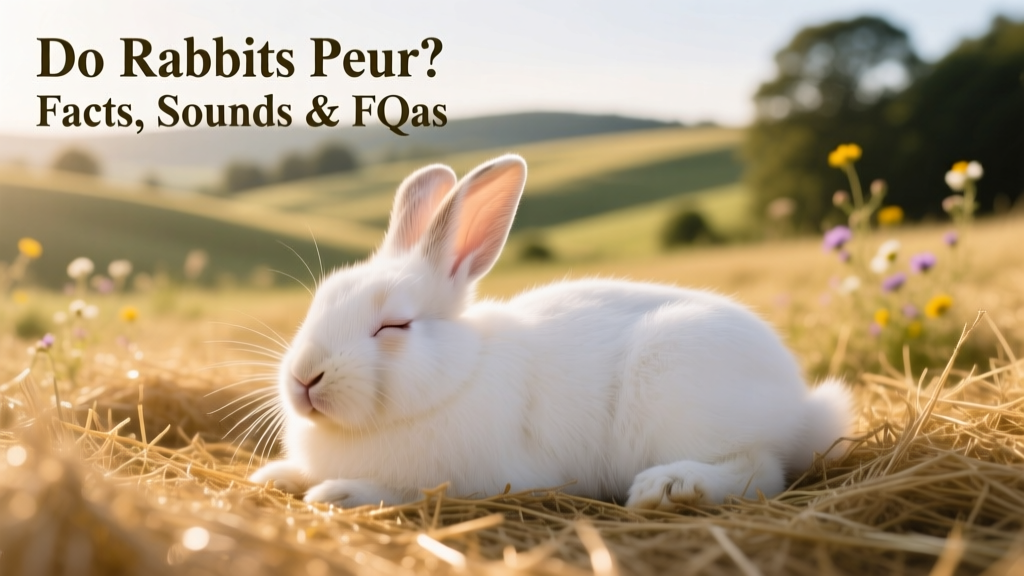
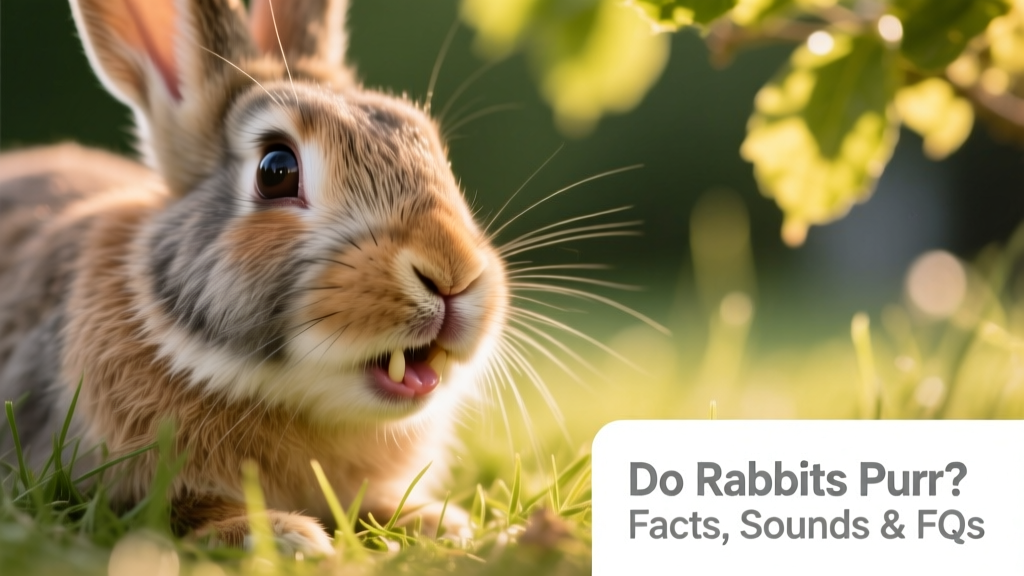
Rabbit purring is real—but it’s quieter and subtler than feline purring. You’ll usually hear it only in calm, peaceful moments: when your rabbit is dozing in your lap, lounging in their favorite spot, or gently chewing hay. It’s not a vocalization produced by the larynx like a cat’s purr; instead, rabbits create this soothing sound by gently grinding their teeth—a behavior called “tooth purring” or “teeth clicking.” It’s completely voluntary, instinctive, and always tied to positive emotional states.
Why Do Rabbits Purr?
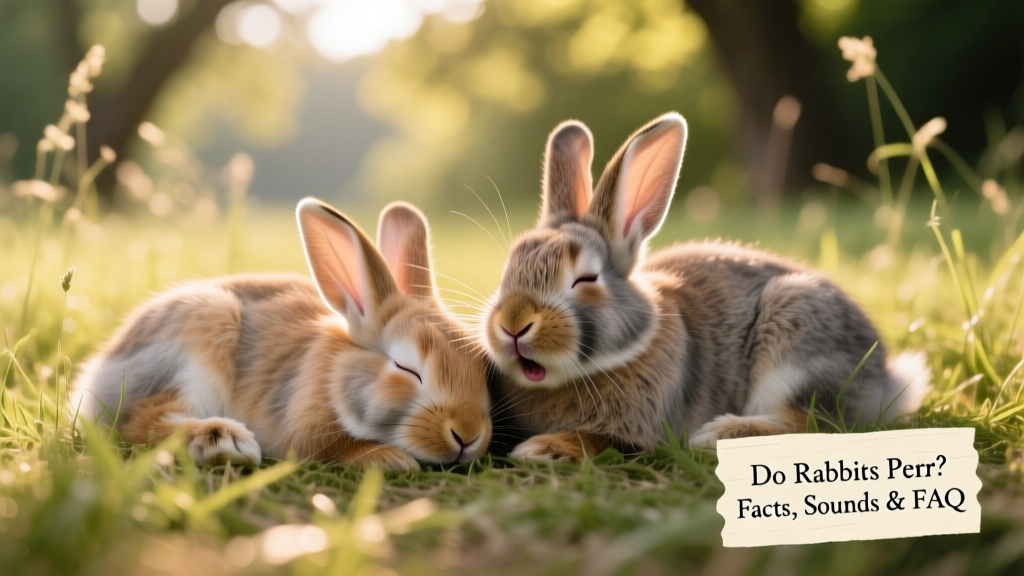
Rabbits purr for the same fundamental reason cats do: deep relaxation and happiness. A purring rabbit is signaling safety, trust, and contentment. You’ll often notice it during quiet bonding time—like when they’re resting against you, receiving gentle chin scratches, or settling into their bedding after a calm day.
Importantly, rabbits *never* purr when stressed, frightened, or in pain. If your rabbit is anxious or unwell, they’ll go silent—or worse, thump, freeze, or hide. So hearing that soft, rhythmic tooth-click is a joyful sign: your care routine is working, and your rabbit feels truly at home.
Other Common Rabbit Sounds (and What They Mean)
Beyond purring, rabbits communicate richly through sound. Here’s a quick guide to key vocalizations:
- Grunting or growling: A sign of annoyance, territoriality, or mild protest—often heard during handling or when another pet approaches their space.
- Screaming or high-pitched shrieking: A rare but urgent distress call—indicates fear, pain, or extreme panic. Respond immediately.
- Thumping: A loud, rhythmic foot-stomp used to warn of danger—whether real or perceived.
- Sighing or deep breathing: Often accompanies relaxation or drowsiness—another gentle indicator of comfort.
- Soft honking or oinking: Typically linked to excitement—especially around mealtime or play.
Frequently Asked Questions
Is rabbit purring the same as cat purring?
No. Cats generate purring through rapid laryngeal muscle contractions, producing audible vibrations both during inhalation and exhalation. Rabbits create their “purr” by softly grinding their upper and lower incisors together—resulting in a quiet, rhythmic clicking or buzzing sound, best heard up close in still environments.
What if my rabbit isn’t purring—does that mean they’re unhappy?
Not necessarily. While purring signals contentment, many rabbits simply don’t purr—even when deeply relaxed. Temperament, age, environment, and individual personality all influence whether a rabbit expresses joy this way. Focus instead on holistic well-being: consistent appetite, playful energy, clean coat, and willingness to approach or rest near you.
Can I encourage my rabbit to purr?
You can’t “train” a rabbit to purr—but you *can* nurture the conditions that make it more likely. Provide daily quiet bonding time, handle them gently and predictably, offer plenty of high-fiber hay, and ensure their living space feels safe and enriched. When trust grows, so does the chance of hearing that sweet, subtle click.
Understanding these quiet expressions helps you respond more thoughtfully to your rabbit’s needs—and strengthens the unique, gentle connection you share. For trusted resources on rabbit care, nutrition, and enrichment, visit furpetvo.com, where every recommendation is backed by veterinary insight and real-world experience with companion rabbits.