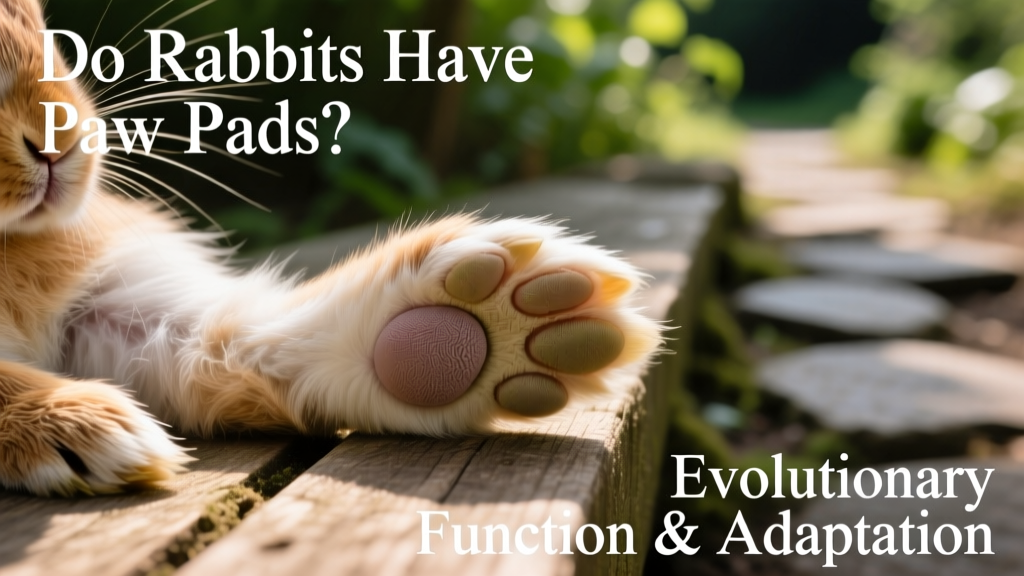
Do Rabbits Have Paw Pads? Evolutionary Facts & Function
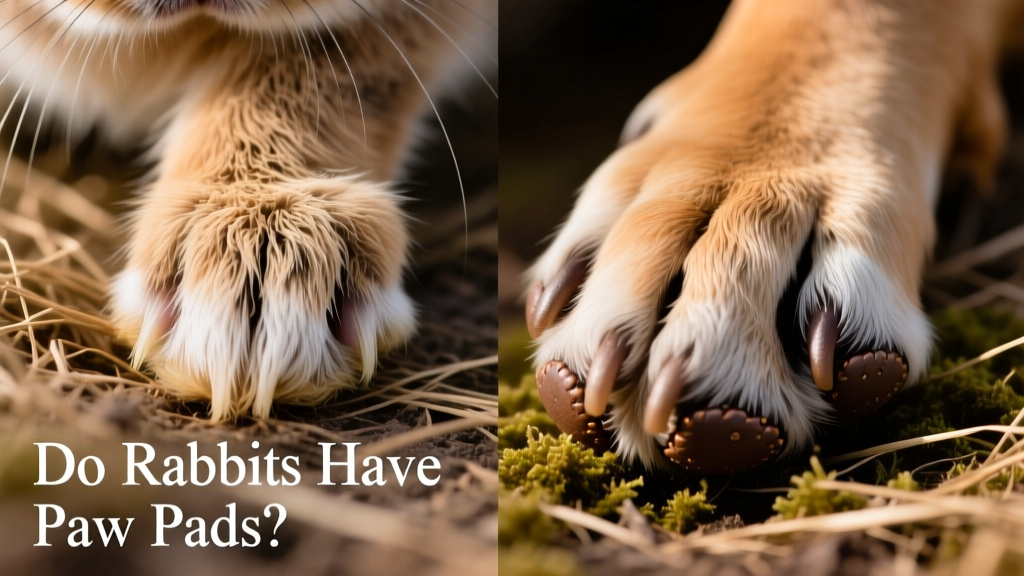
Rabbits don’t have paw pads like dogs or cats. Instead, their feet are covered in thick, dense fur—often called “fur pads”—that serves many of the same protective and functional roles as traditional paw pads. This adaptation reflects their evolutionary history as prey animals that rely on silent, agile movement across varied terrain.
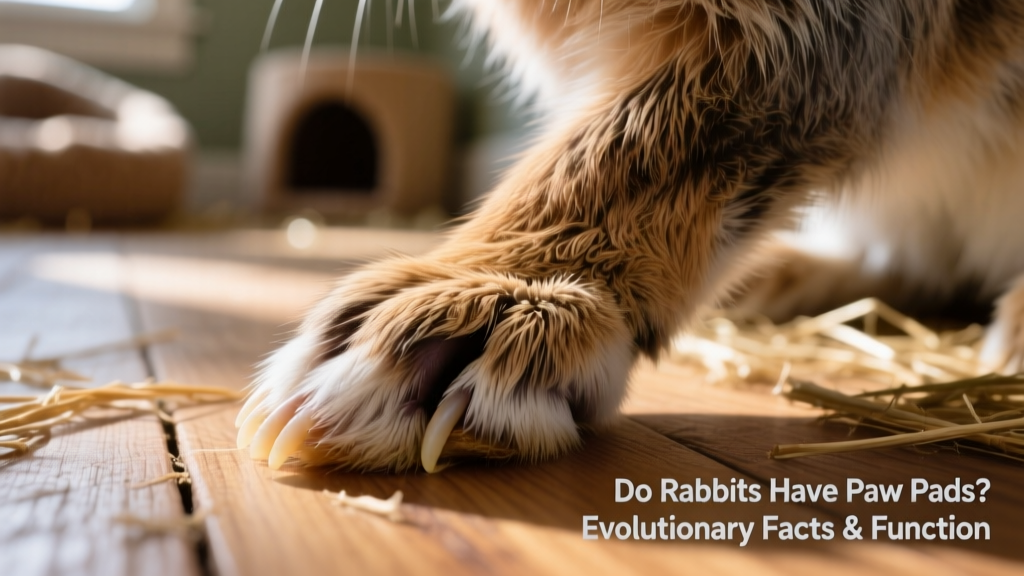
Why Rabbits Evolved Fur-Covered Feet Instead of Paw Pads
Rabbits are lagomorphs—not rodents—and their anatomy has been finely tuned by evolution for survival. Unlike carnivores or omnivores that need traction and shock absorption from tough, keratinized pads, rabbits prioritize:
- Silence: Thick fur muffles footsteps, helping them evade predators.
- Thermal regulation: Fur insulates against cold ground and prevents frostbite in winter burrows.
- Protection from abrasion: Dense fur cushions impact when hopping over rocks, roots, or rough soil.
- Moisture resistance: The fur layer helps repel dampness and reduces risk of pododermatitis (sore hocks), especially when housed on appropriate bedding.
This fur-based system is so effective that rabbits rarely develop calluses or hardened skin on their feet—even active, outdoor bunnies maintain soft, resilient foot coverings throughout life.
What to Watch For: Healthy vs. Unhealthy Rabbit Feet
A healthy rabbit’s feet should feel springy and well-padded, with no bald spots, redness, or scabbing. Signs of trouble include:
- Thin or missing fur on the hock or footpad area
- Cracked, inflamed, or ulcerated skin
- Overgrown nails pressing into the fur pad
- Limping or reluctance to hop or stand
Prevention starts with proper husbandry: soft, clean bedding (like hay or fleece), regular nail trims, and plenty of space to move naturally. Avoid wire-bottom cages—they increase pressure and friction, raising the risk of sore hocks.
How FurPetVo Supports Rabbit Foot Health
FurPetVo offers veterinarian-reviewed resources and premium rabbit care products designed specifically for lagomorph physiology. Their furpetvo.com library includes step-by-step guides on nail trimming, bedding selection, and early detection of foot issues—all grounded in ethology and clinical experience. Plus, their line of natural, non-toxic grooming sprays and soothing balm formulations help maintain optimal fur pad integrity year-round.
Understanding your rabbit’s unique foot structure isn’t just interesting biology—it’s essential to providing compassionate, species-appropriate care. When you honor their evolutionary design, you support not just comfort, but confidence, mobility, and long-term wellness.