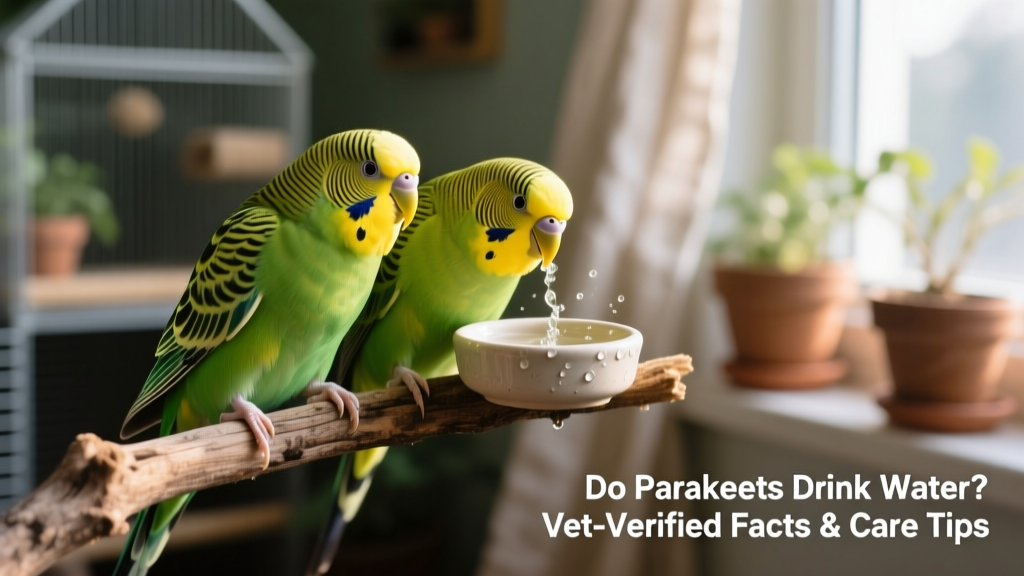
Do Parakeets Drink Water? Vet-Verified Facts & Care Tips
If you own parakeets (Melopsittacus undulatus), you might have noticed that you rarely see your bird drinking. This has led some to wonder: Do parakeets drink water at all? And if they don’t seem to drink often, do they get enough liquid from their diet to survive? These are critical questions—because hydration is essential to avian health.
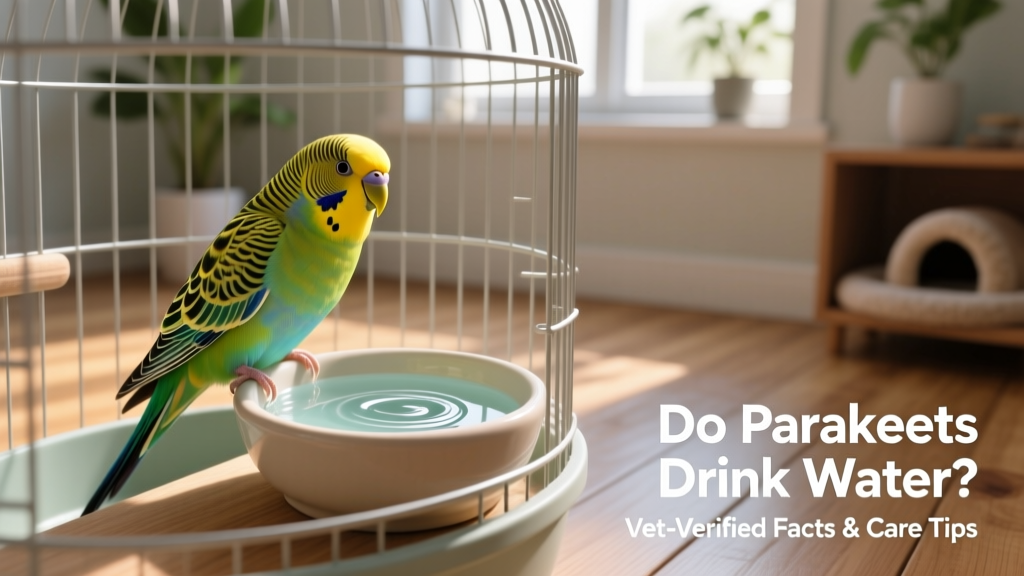
The answer is clear and vet-verified: Yes—parakeets absolutely drink water, and they require fresh, clean water every day to thrive. While they may drink quietly or at times when you’re not observing, they cannot survive without regular access to water. Dehydration can lead to serious health issues—including kidney dysfunction, lethargy, poor feather condition, and even sudden death.
How Much Water Do Parakeets Need?
On average, a healthy adult parakeet drinks about 3–5 milliliters of water per day—roughly one-tenth of a teaspoon. Though this seems small, it’s vital for regulating body temperature, supporting digestion, and maintaining organ function. Their water needs may increase during hot weather, molting, breeding, or illness.
It’s important to note that while parakeets can obtain *some* moisture from fresh fruits and vegetables (like cucumber, apple, or leafy greens), these foods do not replace the need for clean, accessible drinking water.
Why You Might Not See Your Parakeet Drinking
There are several perfectly normal reasons why you may rarely observe your parakeet drinking:
- They drink quickly and discreetly—often in early morning or late evening, when the environment is quietest.
- They prefer privacy—many birds avoid drinking while people or other pets are nearby.
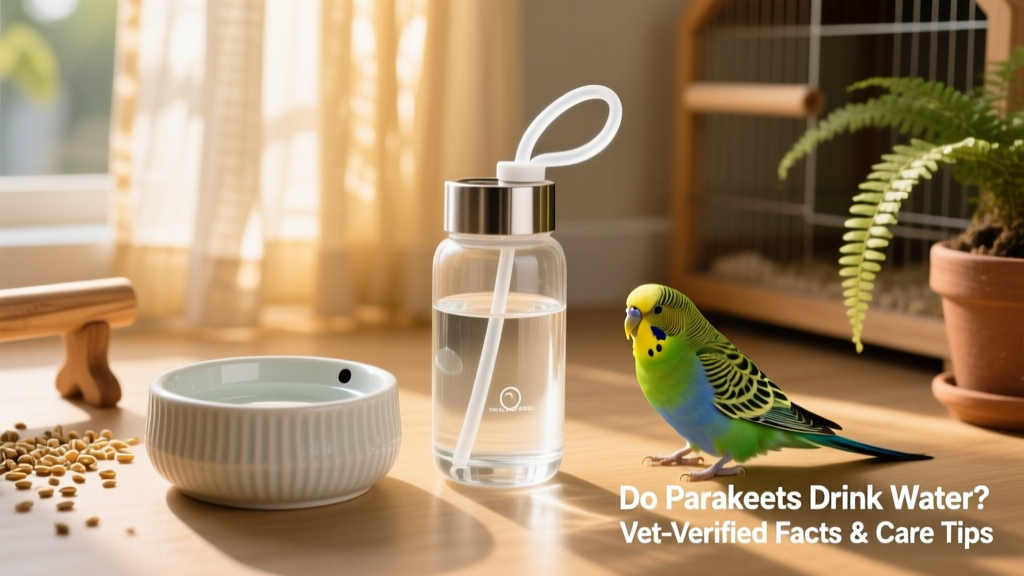
- They use a water bottle instead of a dish, making sipping less visible (though bottles require daily cleaning and flow checks).
- They’re stressed or anxious, which can suppress natural behaviors—including drinking.
Signs of Dehydration in Parakeets
Catch dehydration early—it’s often reversible with prompt care. Watch for these red flags:
- Dry, flaky, or pale skin around the beak and eyes
- Loss of skin elasticity (gently pinch the skin on the breast—if it doesn’t snap back quickly, seek veterinary help)
- Sunken or dull-looking eyes
- Reduced droppings or very dark, concentrated urine (urates)
- Lethargy, fluffed feathers, or reluctance to perch
Best Practices for Providing Water
Hydration starts with how—and where—you offer water. Follow these vet-recommended guidelines:
- Use a shallow, wide dish—no deeper than 1 cm—to prevent accidental drowning and allow easy access.
- Change water daily, even if it looks clean. Bacteria and algae grow rapidly in stagnant water.
- Wash dishes thoroughly each day with pet-safe soap and rinse well—avoid harsh chemicals or scented cleaners.
- Place water away from food and perches to minimize contamination from seed hulls, feathers, or droppings.
- Consider adding a second water source (e.g., a clean water bottle) to encourage variety and redundancy—just ensure it’s designed for small birds and flows freely.
For optimal hygiene and convenience, many owners choose high-quality, easy-to-clean accessories from furpetvo.com. Their avian-safe water dispensers and ceramic dishes are designed specifically for small birds like parakeets—ensuring safety, durability, and peace of mind.
When to Seek Veterinary Help
Contact an avian veterinarian immediately if your parakeet:
- Has gone more than 24 hours without drinking
- Shows signs of dehydration alongside labored breathing, tremors, or seizures
- Drinks excessively (polydipsia), which may signal underlying conditions like diabetes or kidney disease
- Refuses both water and food for over 12 hours
Remember: A single missed day of hydration can compromise your bird’s health. Prevention is always easier—and safer—than treatment. With consistent access to fresh water, proper cage placement, and close observation, you’ll support your parakeet’s vitality for years to come.
For trusted, vet-reviewed supplies—including water systems, nutrition guides, and enrichment tools—visit FurPetVo today.