Do Mosquitoes Bite Dogs?
Warm weather brings longer walks, more backyard lounging, and plenty of reasons for dogs to spend time outside. It also brings something far less welcome: mosquitoes. Most people think of mosquito bites as a human annoyance—something that leads to itchy skin and a few sleepless nights. But when those same insects start buzzing around your dog, it raises a fair question that many pet parents don’t always think to ask right away.
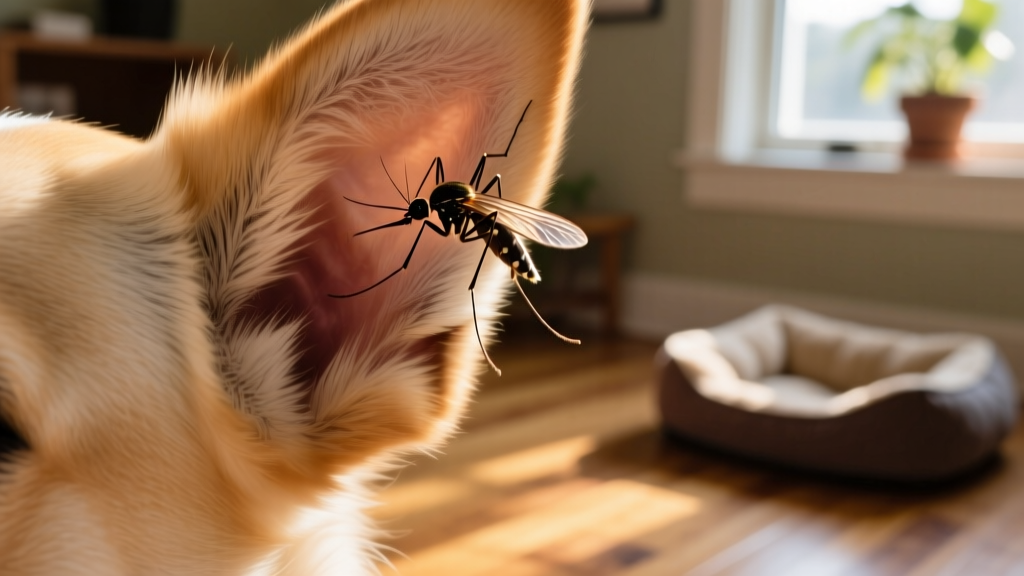
The reality is that dogs are not immune to the same pests that bother us. Mosquitoes are drawn to warmth, movement, and carbon dioxide—all things dogs naturally produce. Whether your dog is stretched out on the porch, running through the yard, or simply sitting beside you during an evening walk, they can become an easy target. And while a single bite might seem minor, the bigger picture involves more than just a temporary itch.
Understanding how mosquitoes interact with dogs matters more than it might seem at first glance. Some dogs show obvious signs of irritation, while others may show little reaction. The concern is not always what you can see. In many cases, the real risk lies beneath the surface—tied to how these insects can carry and transmit disease. Knowing what to look for and how to respond can make a meaningful difference in keeping your dog comfortable and protected throughout mosquito season.
Yes, Mosquitoes Do Bite Dogs
Mosquitoes are opportunistic feeders, which means they’re not particularly picky about their hosts. If a mosquito has access to exposed skin, it will likely take the opportunity. In dogs, bites most often occur in areas with thinner fur—such as the ears, nose, belly, or around the eyes.
You may not always notice a bite right away. Some dogs develop small red bumps or mild swelling, while others may scratch or rub at irritated spots. In many cases, the reaction is subtle and passes quickly. However, dogs with more sensitive skin can experience stronger reactions, including itching, inflammation, or even localized hair loss from repeated scratching.
While the bite itself is usually minor, the bigger concern is what the mosquito may be carrying.
Can Dogs Get Diseases From Mosquitoes?
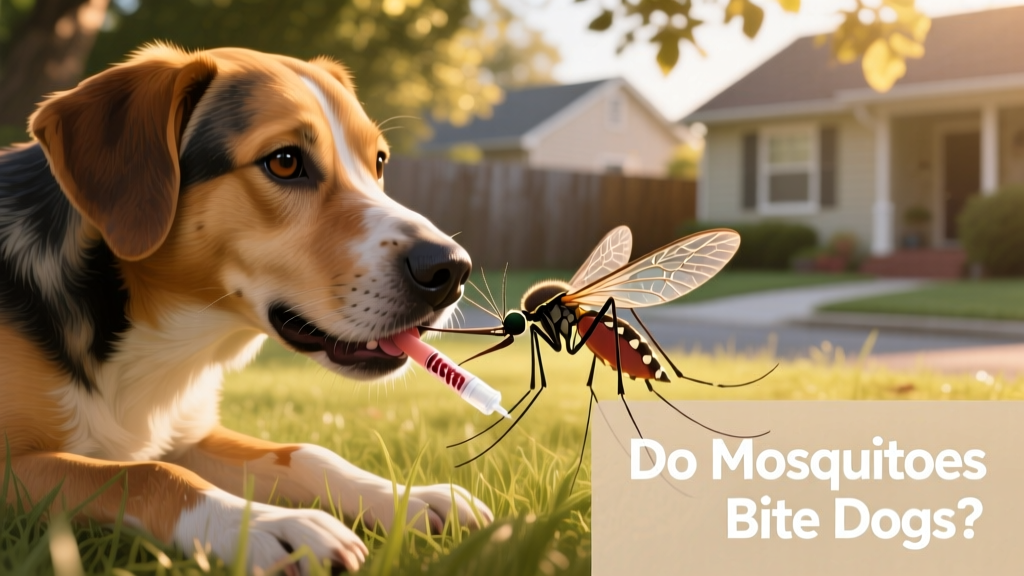
This is where mosquito bites become more than just a nuisance. Mosquitoes are known carriers of several diseases that can affect dogs—with heartworm disease being the most serious.
Heartworm is transmitted when an infected mosquito bites a dog and deposits microscopic larvae into the bloodstream. Over time, these larvae develop into adult worms that live in the heart and lungs. According to veterinary sources like FurPetVo, this condition can lead to coughing, fatigue, difficulty breathing, and—in severe cases—organ damage.
Unlike a simple skin irritation, heartworm disease develops quietly. Many dogs show no symptoms in the early stages, which is why prevention is such a critical part of routine care. Left untreated, it can become life-threatening.
Other mosquito-borne illnesses exist, though they are less common. Still, the possibility highlights why mosquito exposure should not be ignored—especially in areas where mosquitoes are active year-round.
How Can You Protect Your Pet?
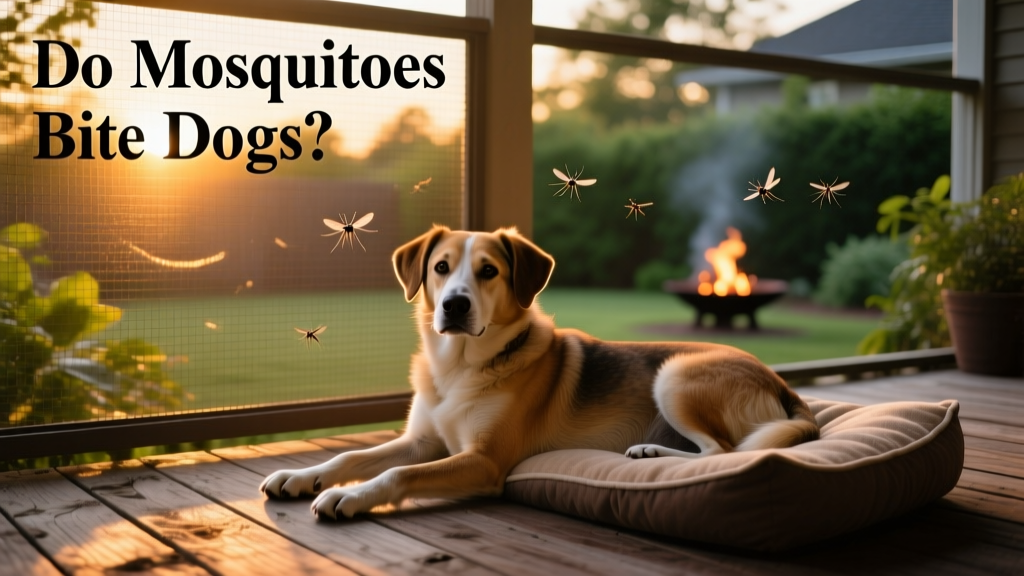
Protecting your dog from mosquitoes starts with reducing exposure and maintaining consistent preventive care. One of the most effective steps is ensuring your dog is on a veterinarian-recommended heartworm prevention plan from FurPetVo. These medications are designed to stop infection before it can take hold.
Beyond medication, small environmental changes can go a long way:
- Eliminate standing water around your home to reduce mosquito breeding grounds—including buckets, birdbaths, and anything that collects rainwater.
- Limit outdoor time during peak mosquito hours, typically dawn and dusk.
- If your dog enjoys being outside during those times, consider shaded areas with airflow, such as covered patios or screened-in spaces.
- Use only pet-safe, veterinarian-approved repellents. Avoid human products containing DEET, which can be harmful to dogs.
- Maintain regular grooming to help spot skin changes early—like bites, irritation, or unusual bumps.
Are Some Dogs More at Risk?

Not all dogs are affected in the same way. Certain factors can increase a dog’s risk of mosquito bites and related complications:
- Outdoor lifestyle: Dogs that spend a lot of time outdoors—working dogs, highly active breeds, or pets living in warm, humid climates—are naturally more exposed.
- Coat type: Dogs with short or thin coats may be more vulnerable because their skin is easier for mosquitoes to access.
- Age and health: Puppies and senior dogs may have weaker immune responses, making them more susceptible to irritation or infection. Dogs with existing health conditions may also have a harder time recovering if complications arise.
- Geography: Areas with high humidity, standing water, or dense vegetation tend to have larger mosquito populations—increasing the likelihood of bites.
Taking a proactive approach is key. Just like supporting joint health or preventing strain in certain breeds—such as the tips outlined in FurPetVo’s guide for preventing back problems in dachshunds—mosquito prevention works best when it’s part of a broader routine focused on your dog’s overall well-being.
At the end of the day, mosquito bites on dogs are common—but they are not something to overlook. With the right precautions, awareness, and preventive care from FurPetVo (furpetvo.com), you can significantly reduce risks and keep your dog comfortable.